Stop Throwing Away Your IR Lamps
Let’s be honest: the textile industry treats heating lamps like disposable batteries. You pop one in, it burns out, you toss it, and you buy another. It’s a waste of money, and it’s a waste of quartz and metal that ends up in a landfill. We think there’s a better way. We’re focusing on making infrared (IR) lamps that actually last, so your plant can stop the constant cycle of replacing bulbs.
The battle against “hot spots”
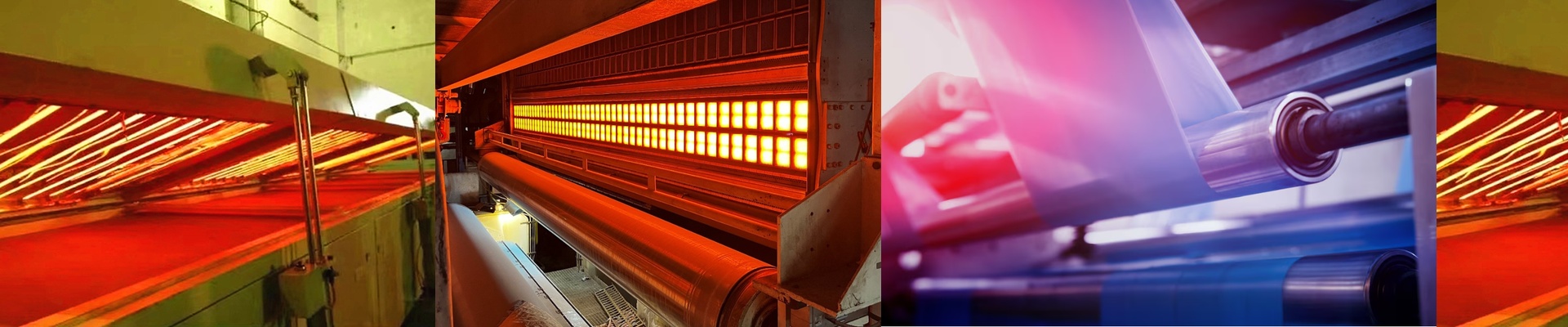
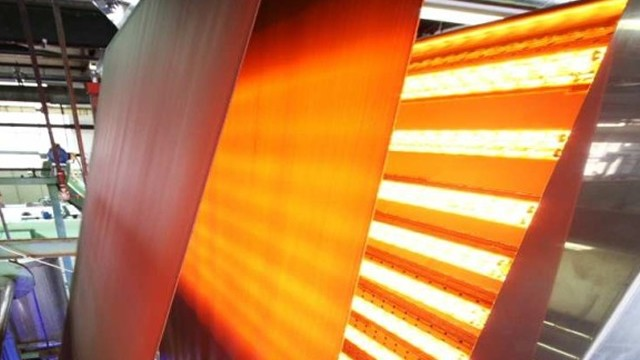
Most curing and drying lines use shortwave IR. But here’s the thing: if the wattage doesn’t match the length of the lamp perfectly, you get “hot spots.” Some folks try to fix a bad layout by over-driving the lamp. That’s a mistake. It just thins out the filament and kills the lamp way faster than it should. We balance the voltage and wattage so the heat is steady and even across the whole tube. And a quick tip? Check your cooling fans. If you’re shoving a high-wattage tube into a tight housing without enough airflow, the ends are going to overheat and fry. Simple as that.
Better materials, less stress
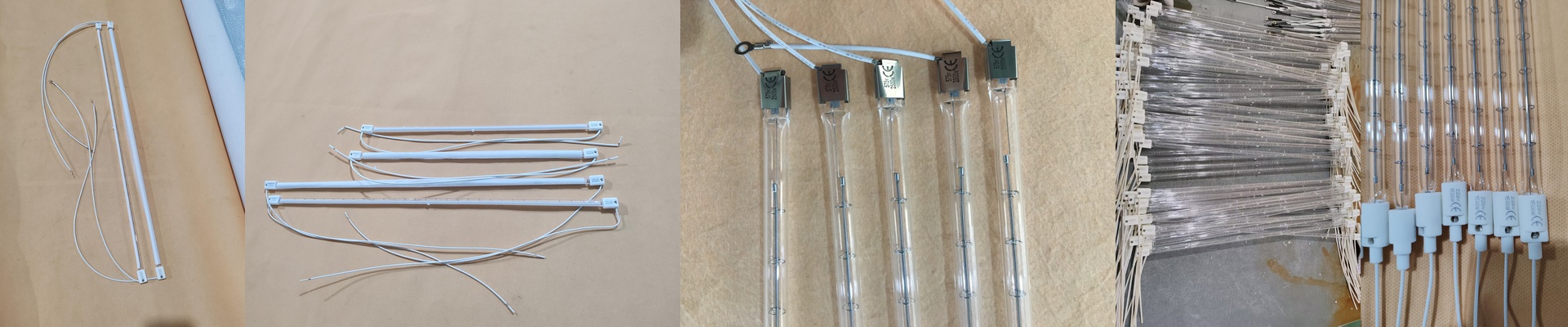
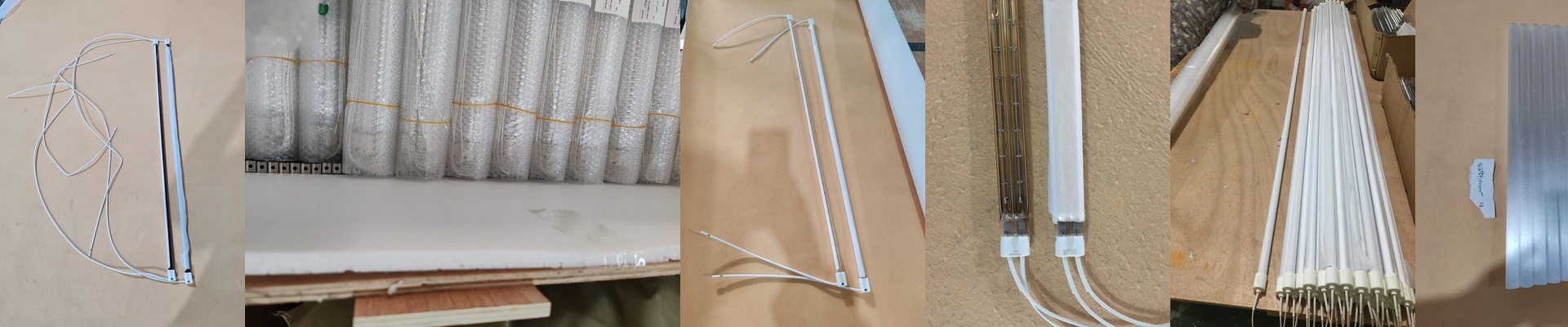
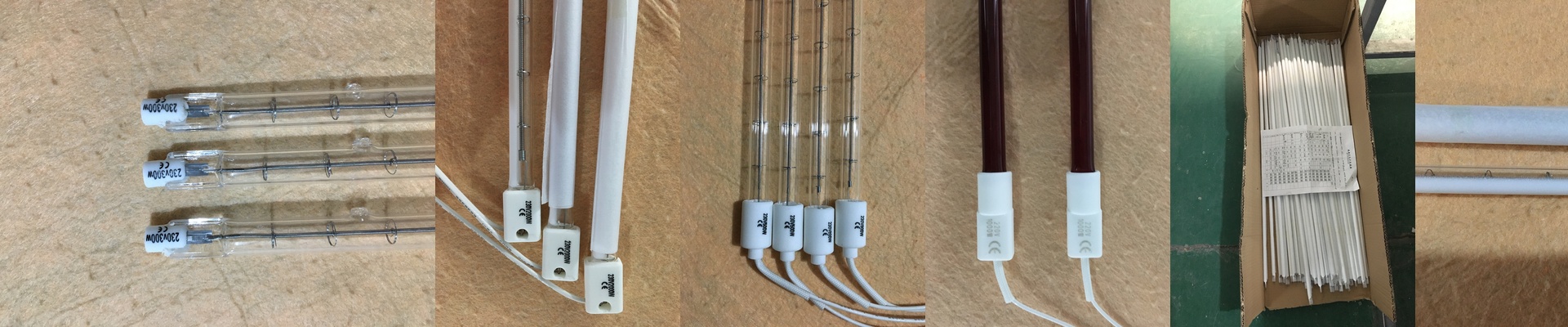
Textile work is tough. Lamps are constantly clicking on and off, which puts a huge amount of mechanical stress on the glass. To handle that, we use high-purity quartz. It doesn’t freak out when the temperature swings wildly. We also calibrated our tungsten filaments to stay stable, so they don’t evaporate nearly as fast. Plus, we use special coatings to make sure the heat actually hits the fabric, not your machine frame. It keeps your equipment cooler and your energy bills lower.
No more wiring nightmares
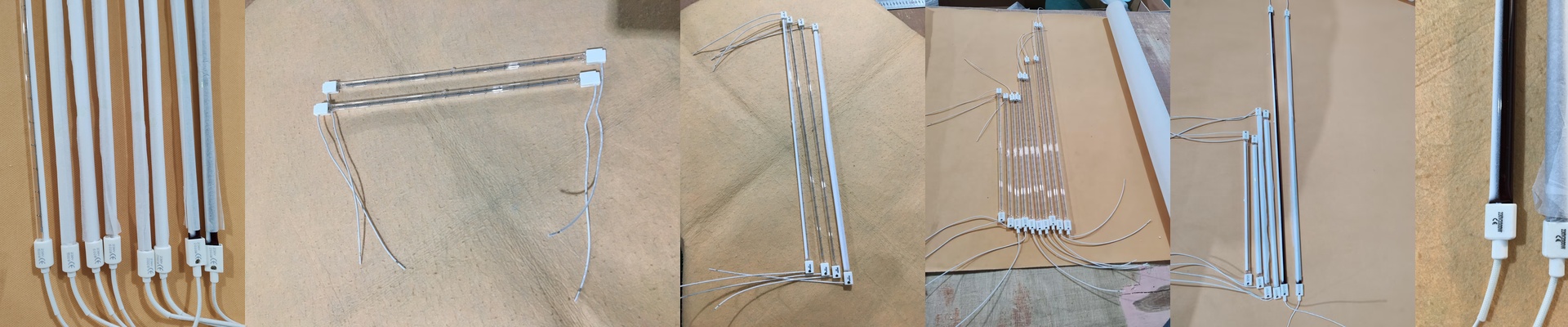
Nobody wants to spend their weekend rewiring a whole rack. That’s why we stick to standardized connectors like R7s and SK15. They fit tight. Why does that matter? Because a loose connection causes arcing, and arcing fries the end of your lamp. With these drop-in replacements, you just slide them in and get back to work. It’s a simple trade-off. Spend a little more time on thermal management and better quartz now, and you can stop worrying about the next lamp failure.