Stop Guessing Where Your IR Lamps Go
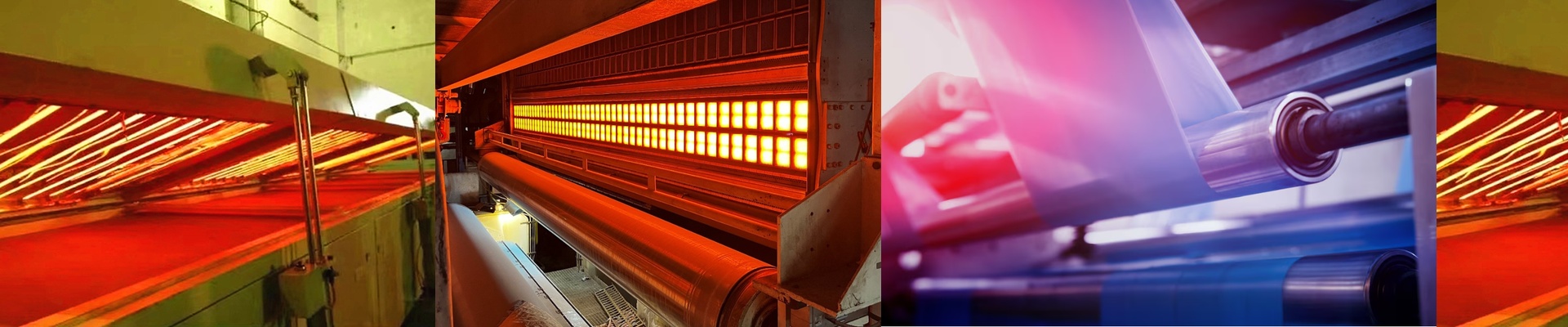
Setting up a massive stenter machine isn’t as simple as just plugging in some lamps and hoping for the best. Here’s the problem: if your lamp positioning is off by even a few centimeters, you’re going to get cold spots. And once you have cold spots, you’ve got uneven shrinkage and ugly streaks in your fabric. It’s a nightmare. That’s why we use digital twins. Basically, we fix the problems in a virtual world before a single bolt is even tightened on the shop floor.
The “Secret Sauce” of Lamp Placement
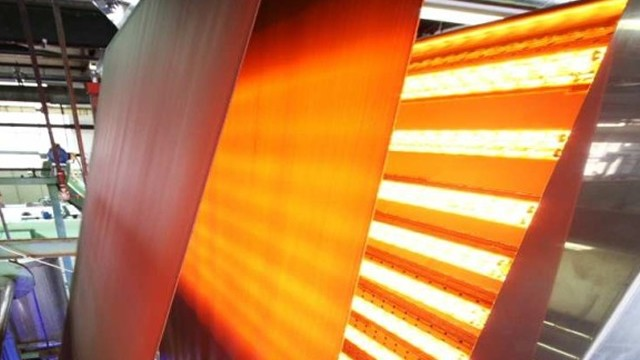
We start by building a virtual clone of the heating chamber. Instead of guessing, we track exactly how the heat flows and where the radiation hits. It’s a delicate balance. If the lamp is too close? You’ll scorch the edges of the fabric. Too far? The core temperature never actually reaches where it needs to be. We plug in the wattage and voltage for every single zone. This lets us watch—in real time—how the fabric reacts as it glides through the machine. You can see exactly where the heat starts to dip.
Why Bother With Simulation?
The best part is that we can play “what-if.” Want to tilt the lamp angles? Change the number of tubes in a bank? We just do it in the software. No wasted hardware. No expensive mistakes. It gives us a rock-solid blueprint. When it comes time to actually build the thing, there’s way less tinkering. You aren’t spending days fighting with controllers to make up for a bad physical layout.
The Reality Check
Now, look—this isn’t magic. A digital twin is only as good as the info you feed it. If the lamps you bought don’t actually perform like the manufacturer’s spec sheet says they do, the simulation will be off. You still have to get your hands dirty. Once everything is wired up, you’ve got to use physical thermocouples to calibrate the machine. You have to account for the real-world chaos—things like airflow and heat leaking out of the chamber. But starting with a simulation? It puts you miles ahead.