Shortwave, Medium-Wave, or Twin-Tube? Picking the Right IR for Your Wheels
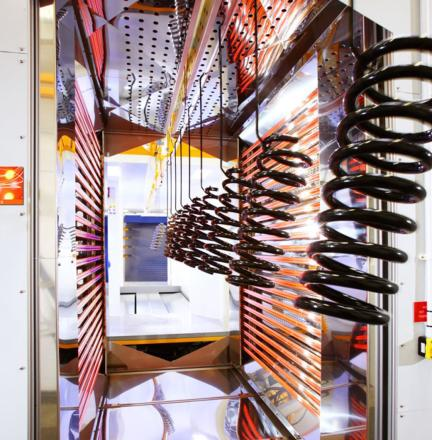
Getting powder coating just right on alloy wheels is a bit of a balancing act. If you mess up the heat profile, you’re looking at sagging or—even worse—under-cured spots that will peel later. I’ve seen plenty of engineers get stuck trying to decide between shortwave, medium-wave, and twin-tube setups. Honestly? It all comes down to how you want that heat to actually hit the metal.
The “Feel” of the Heat
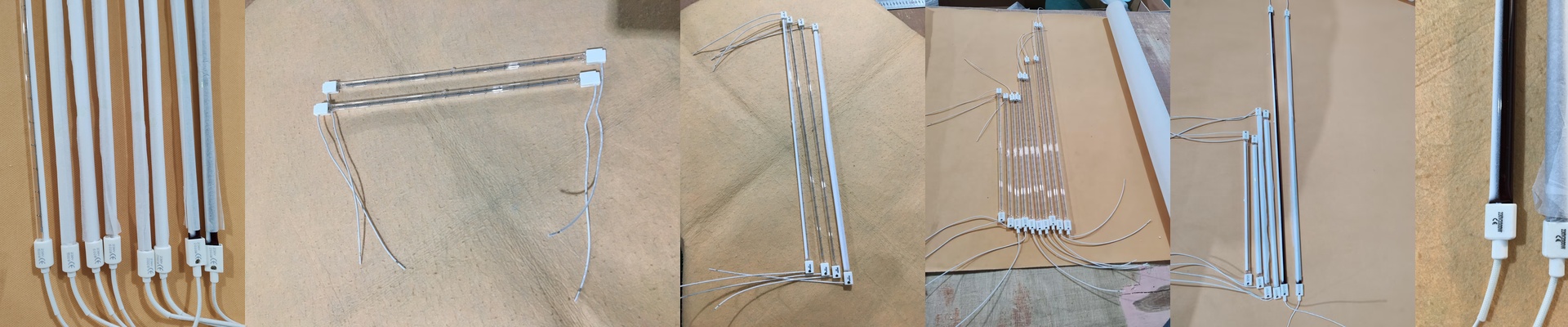
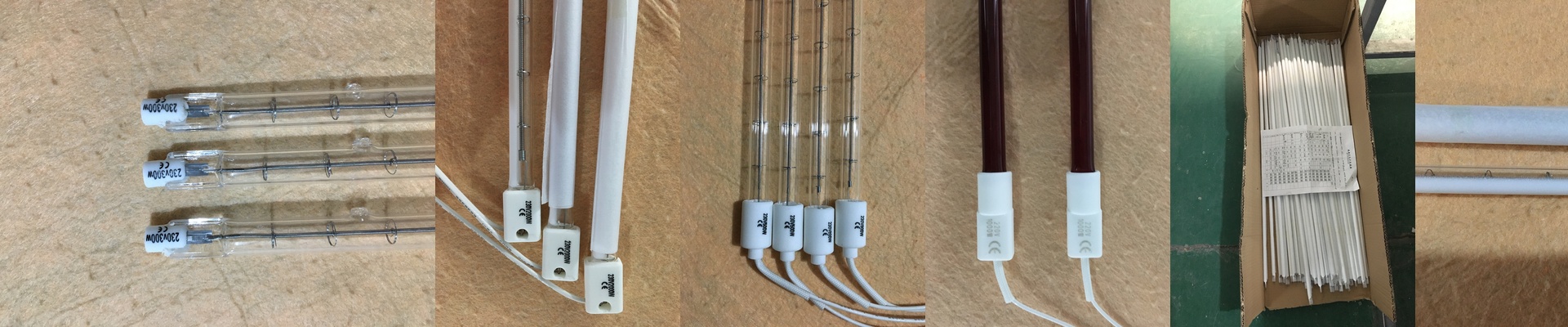
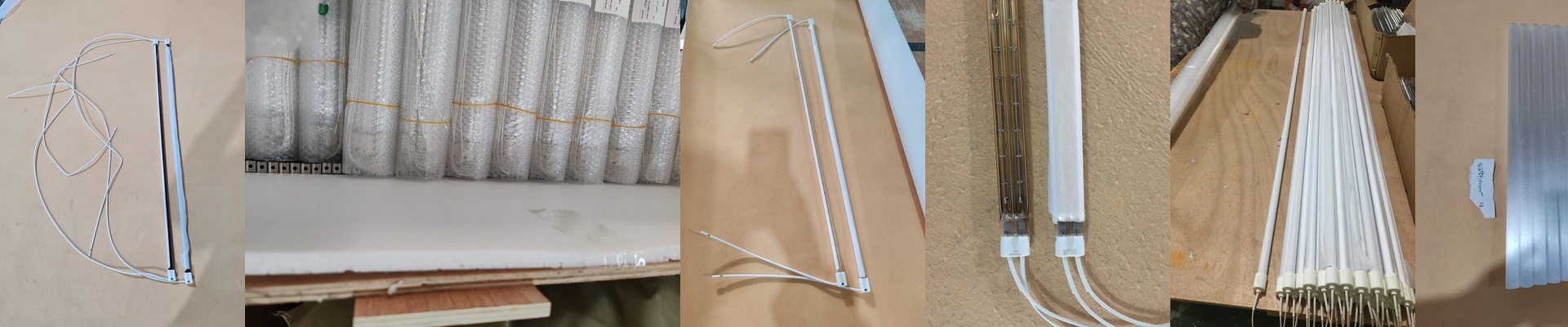
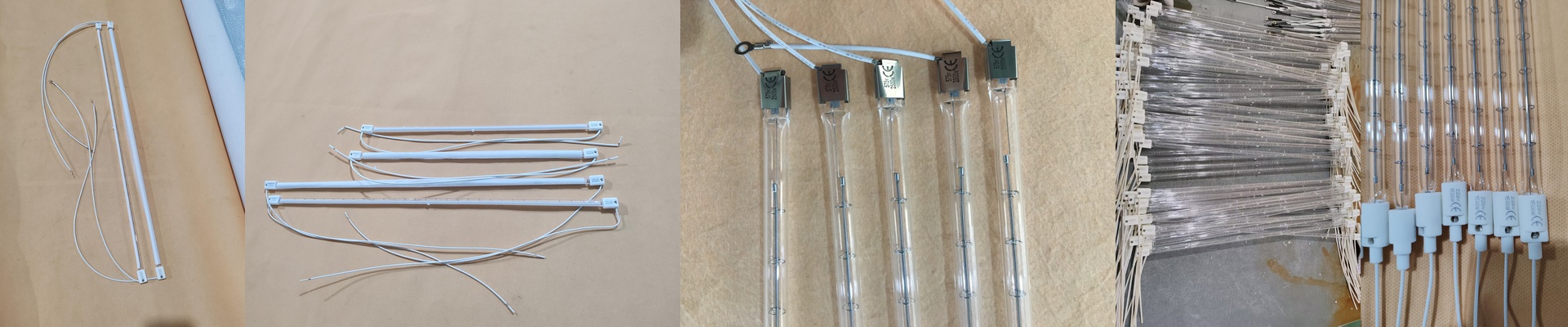
Shortwave IR is like a lightning strike. It hits the surface fast and hard, triggering a quick reaction. It’s great if you just need a fast flash-off to get things moving. But medium-wave is different. It sinks deeper into the alloy. This is huge because it stops that annoying “skin effect,” where the top looks perfect but the bottom is still wet. You want that heat to soak in, not just sit on top. Then you have twin-tube designs. These are basically the best of both worlds. By mixing different filaments or coatings in one housing, you get a wider range of heat. You get the surface speed you want without sacrificing the core temperature.
Power, Space, and the “Gotchas”
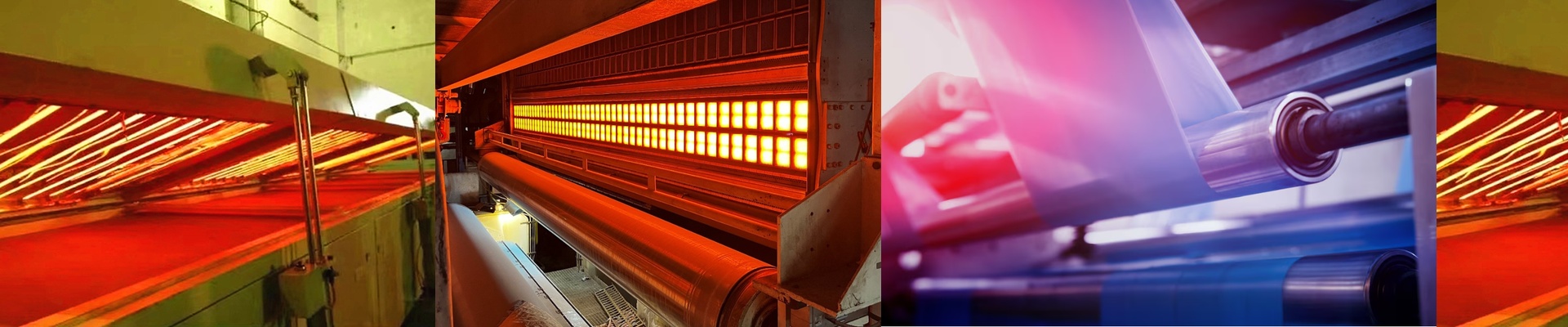
Here’s the thing about high-wattage shortwave lamps: they pack a punch, but they’re thirsty. They put a lot of stress on your power supply. If you go with a high-voltage system, double-check your wiring. You don’t want your cables overheating while you’re trying to cure a wheel. Medium-wave lamps are a bit more relaxed on the surface, but you’ll have to leave the wheels in the oven longer. If you’re tight on space, twin-tubes are your friend. They push more heat into the wheel without requiring a massive oven. But watch out for the reflectors. If they’re even slightly off, you’ll get hot spots that can literally burn your coating. It’s a precision game.
Real-World Advice
If you’re doing full-cure cycles on alloy wheels, I usually suggest medium-wave or twin-tube. Shortwave can be a bit too aggressive for thick powder. Too often, it leads to that dreaded “orange peel” texture. You’ve got to find the sweet spot between how far the lamps are from the wheel and how fast your conveyor is moving. And a quick pro tip: don’t try to cheat the clock by cranking the heat too high. You’ll risk thermal shock and crack your quartz glass. Keep those cooling fans humming on the lamp ends so you don’t burn out the seals. It’s a small detail, but it saves you a massive headache later.