Stop Wasting Heat: Why Your Lamp’s Wavelength Actually Matters
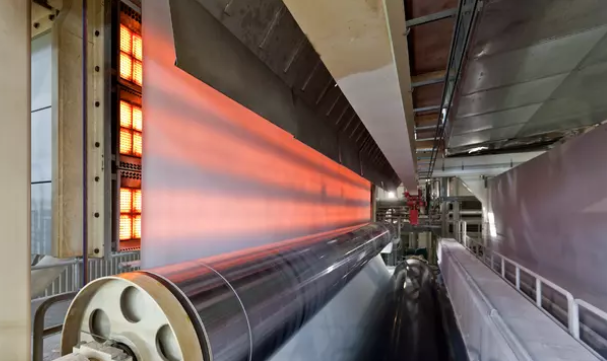
If you’re running a Bruckner range, you know it’s not just about cranking up the heat. It’s more like a surgical strike. You’re trying to hit specific molecular bonds in the dye, and if your IR lamps are spitting out wavelengths that the fabric just bounces back, you’re basically paying for electricity you aren’t using. Worse? You risk scorching the surface of the fabric. To get those fixation times down, you have to make sure the lamp’s emission peak and the dye’s absorption peak are shaking hands.
The “Window” Problem
Here’s the thing: most textile dyes have their own “absorption windows.” Short-wave IR (SWIR) is the heavy lifter—it digs deep into the fiber. Medium-wave (MWIR), on the other hand, tends to hang out on the surface. We pick our lamps based on the actual chemistry of the dye. If the spectrum is off, the heat just sits on top. That’s when you find yourself slowing down the line speed just to make sure the core of the fabric actually gets hot enough. But when the bands match? The energy jumps straight into the dye. It’s efficient. It’s clean.
The Gear
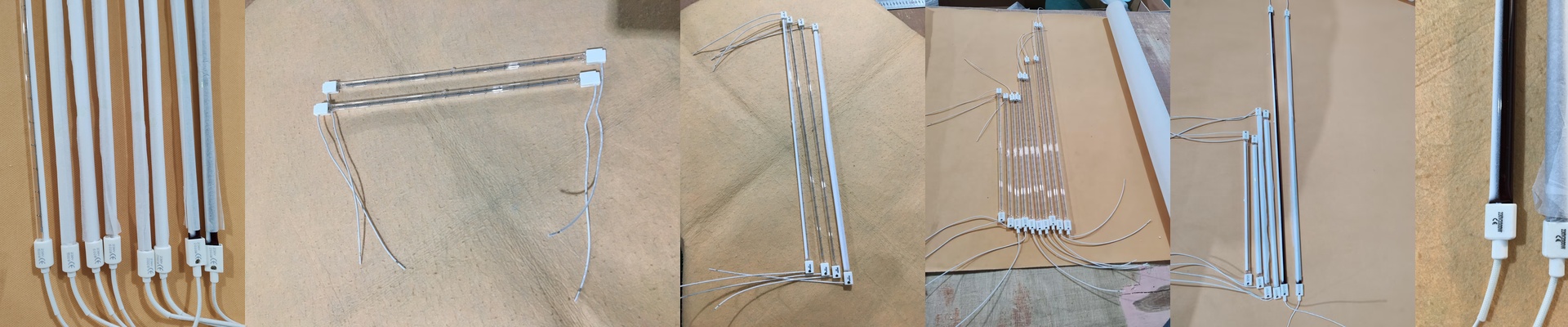
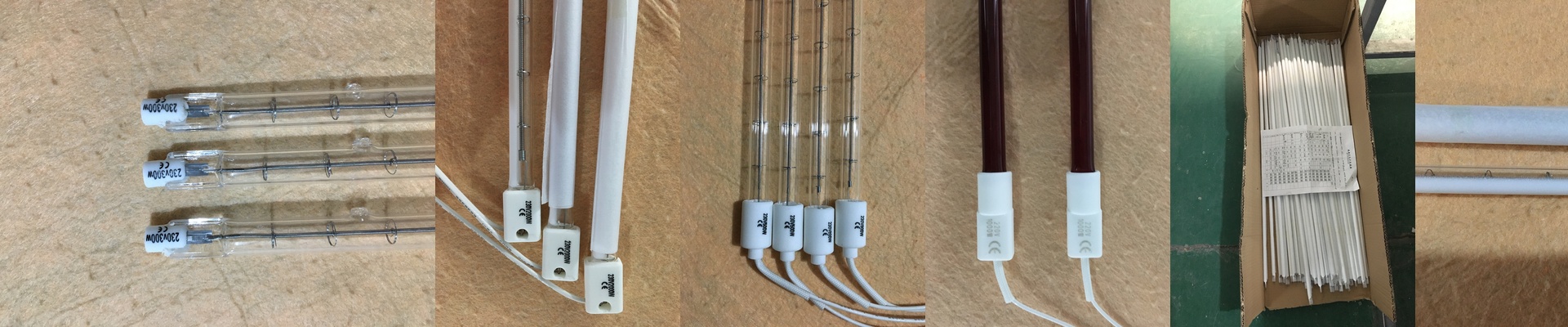
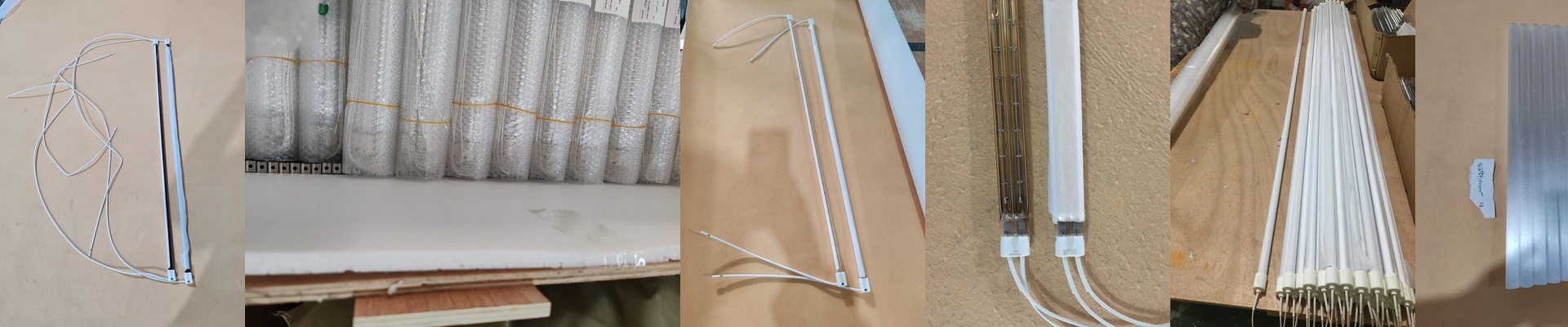
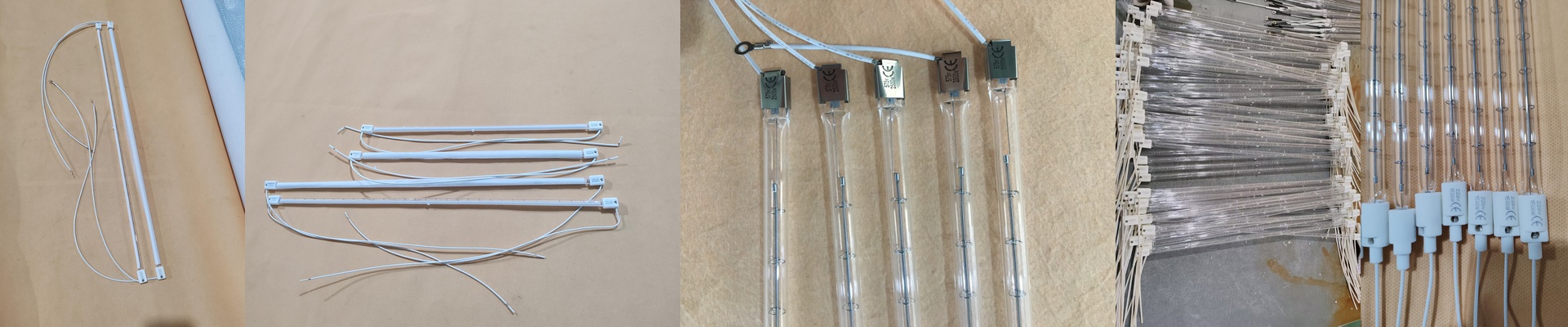
For these high-speed lines, we use quartz halogen tubes. These aren’t your average lightbulbs. We pack a massive amount of wattage into a tiny footprint to get the heat density you need for instant fixation. To keep everything stable, we wire them into high-voltage arrays. It stops the current from dropping off across those long banks of lamps, so the heat stays consistent from start to finish.
The Balancing Act
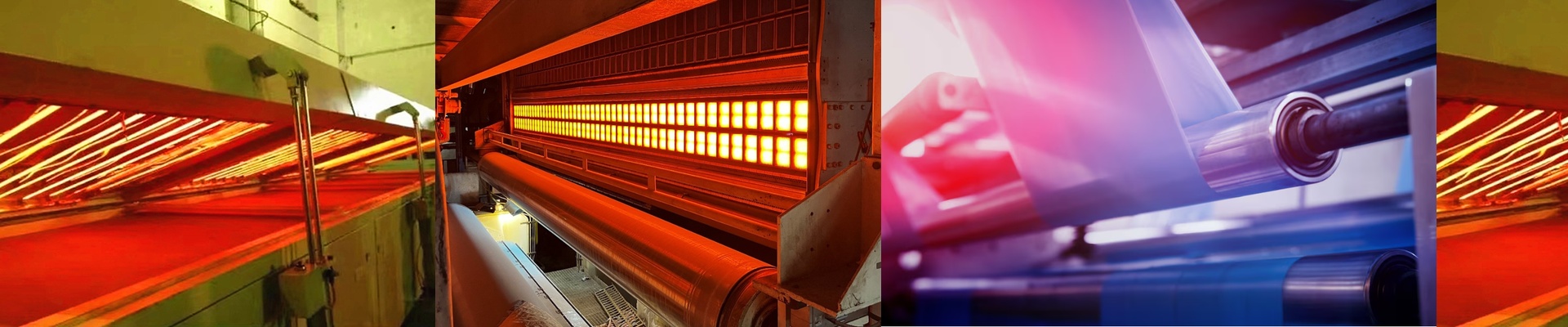
Now, using high-intensity short-wave lamps can slash your fixation times. It’s great. But there’s a catch. If you push the wattage too hard without a steady hand on the controls, you’ll ruin the “hand-feel” of the fabric or end up with an ugly yellow tint. Plus, you need a cooling system that can actually handle the heat building up around the housings. If you don’t, your connectors are going to fry. The good news? We designed these to be simple drop-in replacements for Bruckner systems. You just swap the tubes, line up the reflectors, and tune the wavelength to whatever dye lot you’re running that day. Simple as that.