Why Most IR Lamps Fail in Textile Plants (and How We Fixed Ours)
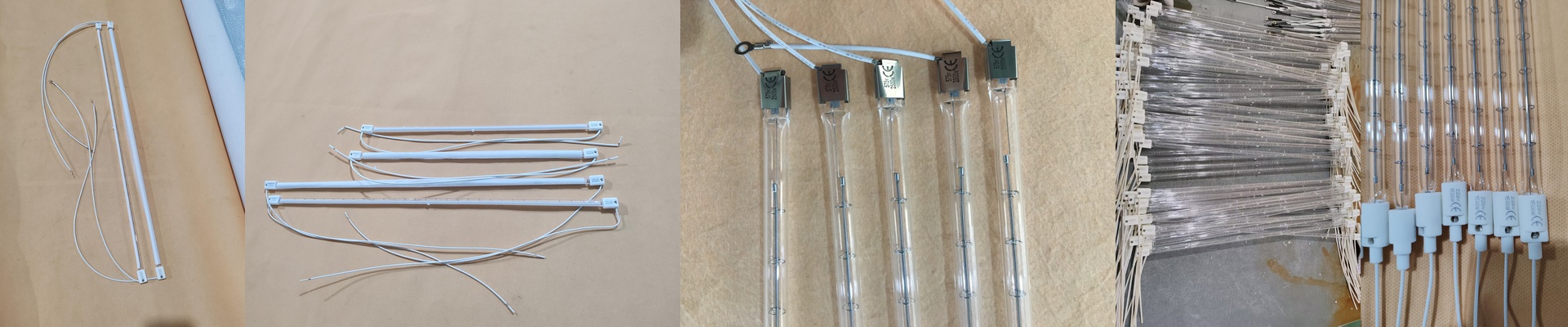
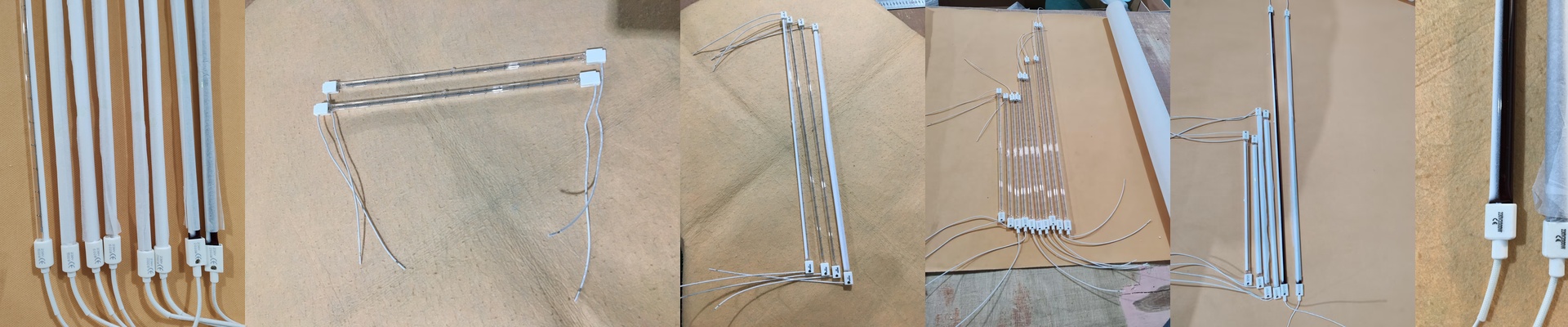
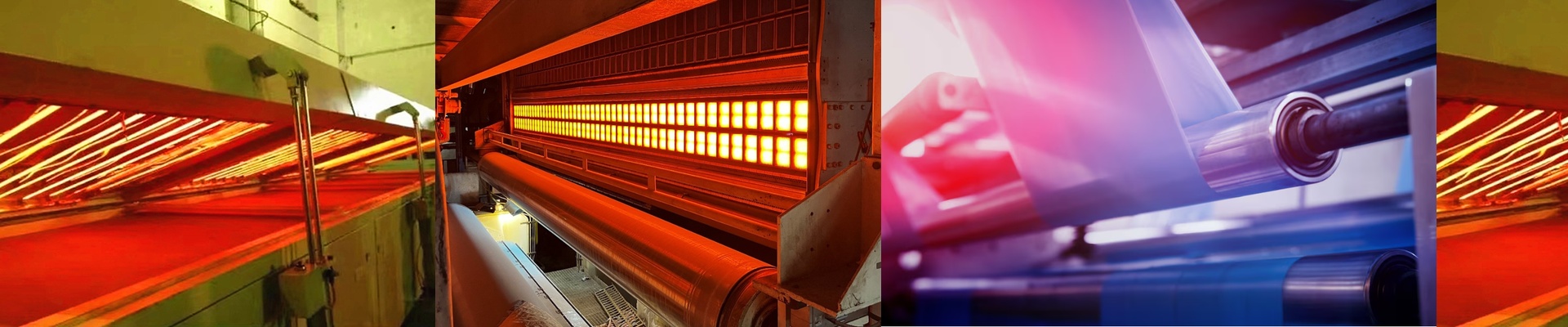
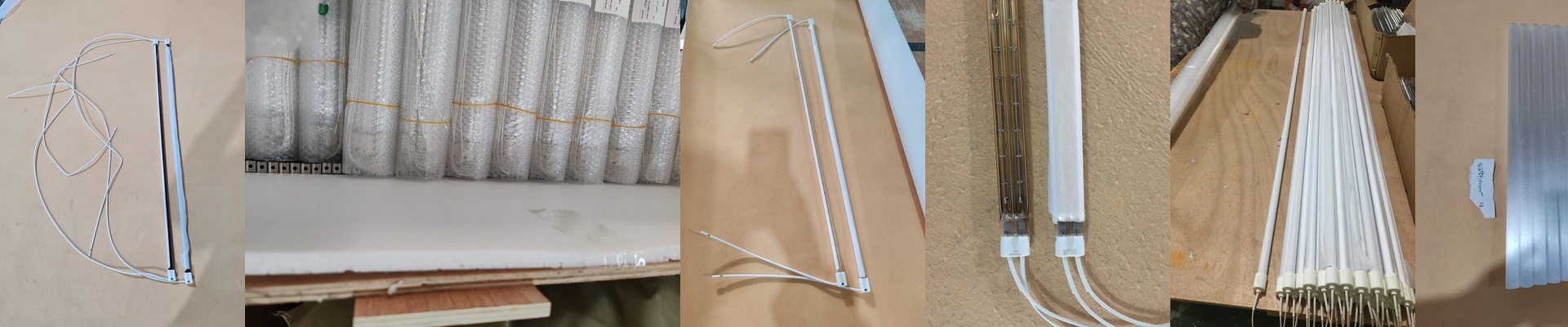
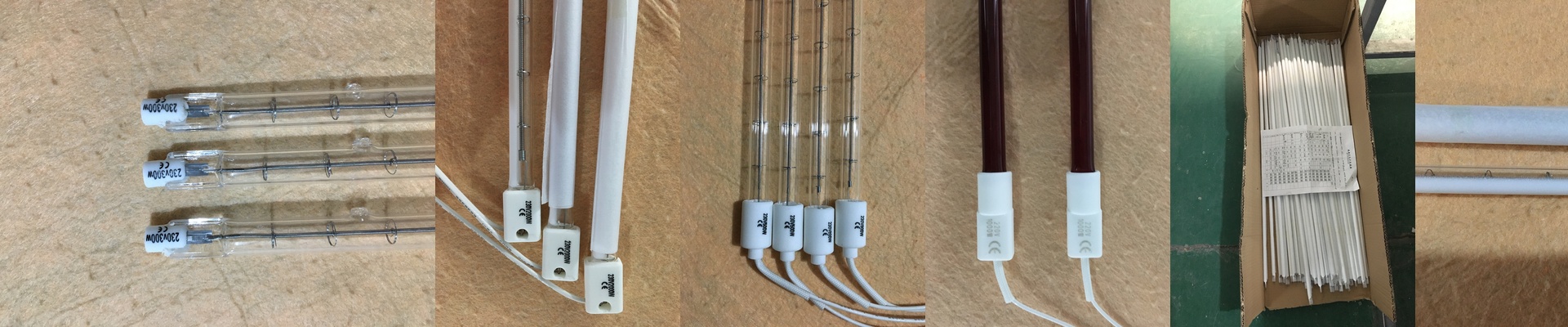
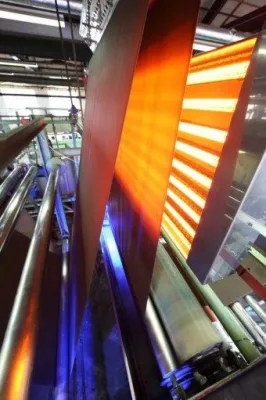
We spent a long time on the road, visiting about 2,000 dyeing and printing shops. We wanted to know one thing: why do standard IR lamps keep dying early in these plants? The truth is, the environment is just brutal. You’ve got thick humidity, chemical fumes everywhere, and the lamps are constantly heating up and cooling down. A generic lamp isn’t built for that. It just can’t take it. So, we went back to the drawing board and rebuilt our design to actually survive the shop floor. Getting the heat right Here’s the thing about textile work: you need enough heat to set the dyes, but not so much that you scorch the fabric. It’s a delicate balance. We spent a lot of time tweaking the ratio between wattage and tube length. By pushing more wattage into a shorter quartz tube, we get a much tighter heat density. We also leaned into high-voltage setups. Why? Because it lowers the current draw. That keeps your wiring cool and stops those annoying voltage drops you get on long production lines. The result is a steady, reliable temperature across the entire width of the fabric. The gritty details We switched to heavy-wall quartz glass. This stops the tubes from sagging under their own weight when they get screaming hot. We also made sure the filament is dead-center. If it’s off by even a bit, you get “hot spots,” and that’s usually where the lamp fails first. As for the connectors, we kept it simple with R7s or SK15 bases. They just work. You can swap them into most existing machines without a headache. And we ditched the flimsy clips. You need a rock-solid mechanical fit, otherwise, the lamps just vibrate loose while the conveyor motors are humming away. A few things to watch out for High-output lamps are great for keeping your line speeds fast, but they’re hard on your reflectors. If your reflectors are pitted or caked in grime, you’re basically wasting energy by heating up your ceiling instead of your fabric. Plus, keep an eye on your cooling fans. If the housing traps too much heat, the ends of the tube will stress and eventually crack. It’s simple: keep the airflow clear, or you’ll be replacing your lamps twice as often.