Stop Guessing When Your Heating Lamps Will Die
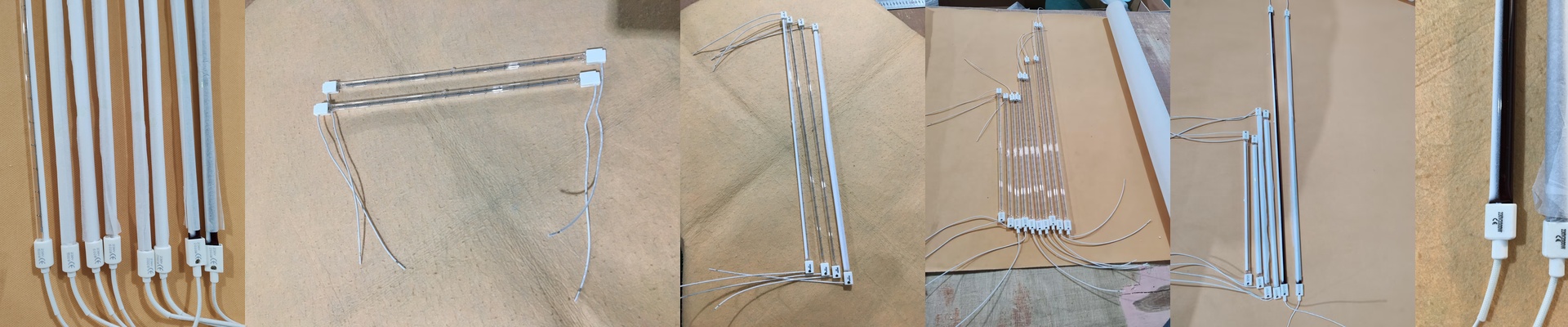
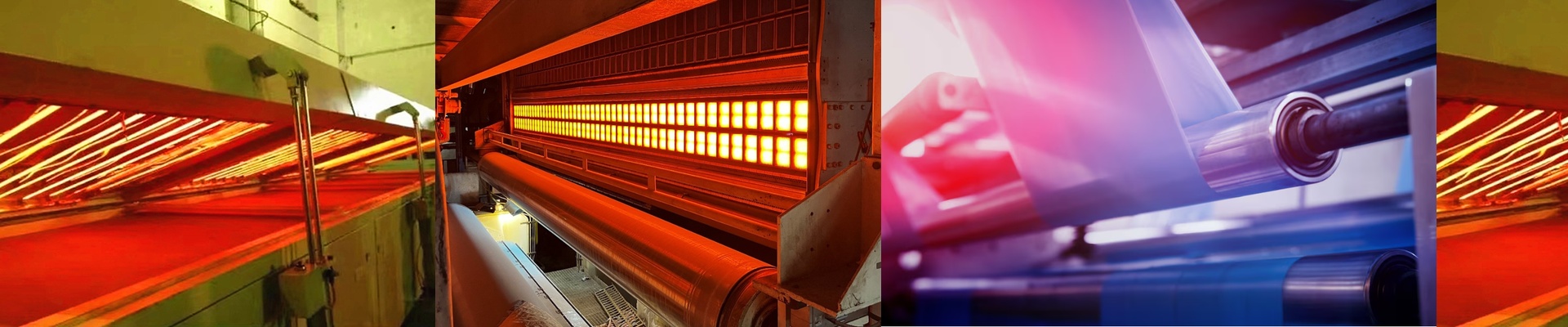
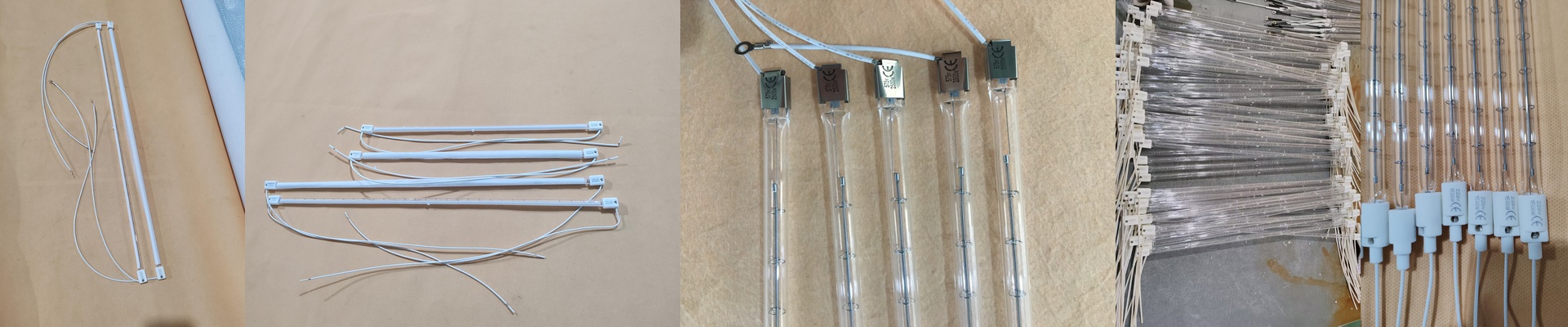
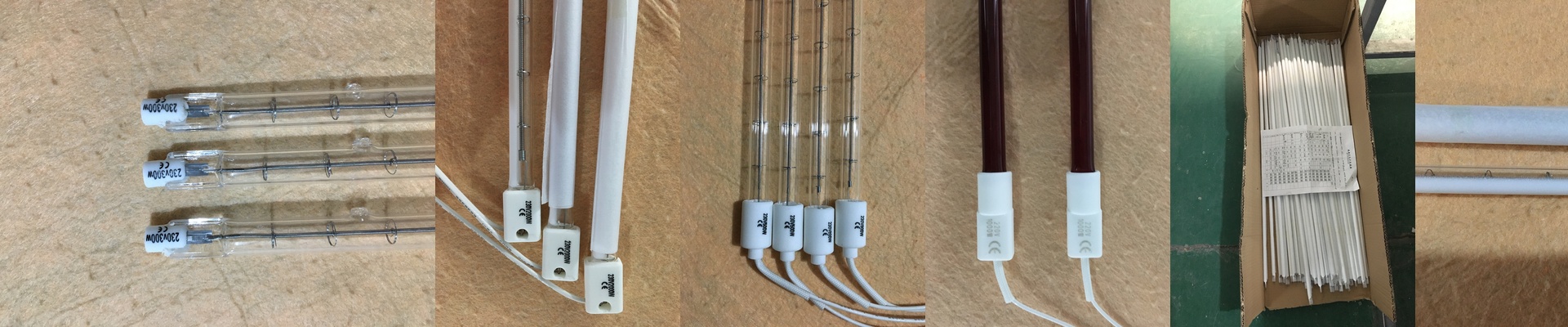
For a long time, textile heating lamps have been pretty “dumb.” You turn them on, they get hot, and you just hope for the best. You keep running them until they either burn out or—even worse—you notice the fabric is coming out wrong. Then you scramble to swap them. It’s a reactive way to work, and honestly, it’s a headache. We’re changing that. Instead of waiting for things to break, we’re putting the monitoring right into the circuitry. It’s about knowing a lamp is about to quit before it actually does. How it actually works We’re looking at more than just basic voltage. We’ve tucked sensors into the housing that keep an eye on things like resistance and thermal drift. Think of it as a health check for your hardware. The system can tell if a filament is getting too thin or if a connector is starting to pit. If the heat hitting your fabric drops by even 5%, you get a flag. No more “cold spots” ruining a batch of high-end fabric while you’re not looking. The trade-off Now, here’s the catch. You can’t just plug these into a cheap, old-school relay. You’ll need a controller that can actually handle digital feedback. Yeah, that means a bit more space in your control cabinet and a little more money upfront. But think about the alternative. No more unplanned downtime. No more guessing. You replace the tubes because the data tells you to, not because you’re crossing your fingers. Life on the shop floor For the engineers, this is a straightforward upgrade to the heating array plus a bit of software. It changes the whole vibe of the shift. Instead of a lamp popping mid-cycle and killing your momentum, the system just gives you a heads-up. You can swap the tube during a scheduled break and keep the line moving. And don’t worry about the environment. We built these to take the hits—the constant vibration and the intense heat of a textile mill—without losing the signal. It just works.