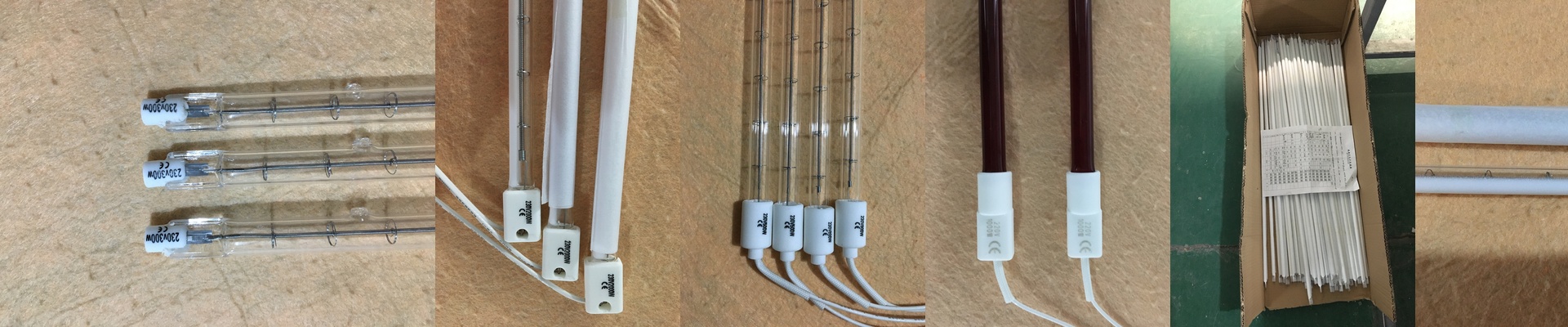
Shortwave, Mediumwave, or Twin-Tube? Picking the Right IR Setup for Metal Curing
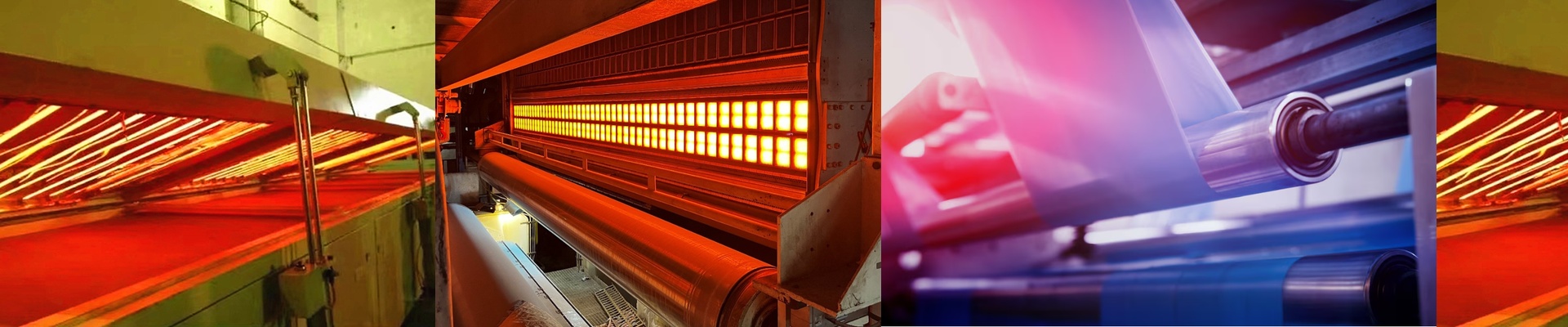
Ever pull a part out of the oven only to find that annoying “orange peel” texture or patches where the film just didn’t sit right? It’s frustrating. Usually, it comes down to one thing: your IR lamp isn’t talking to your material the way it should. It’s all about how the heat actually hits the metal.
The Heat Factor: Surface vs. Depth
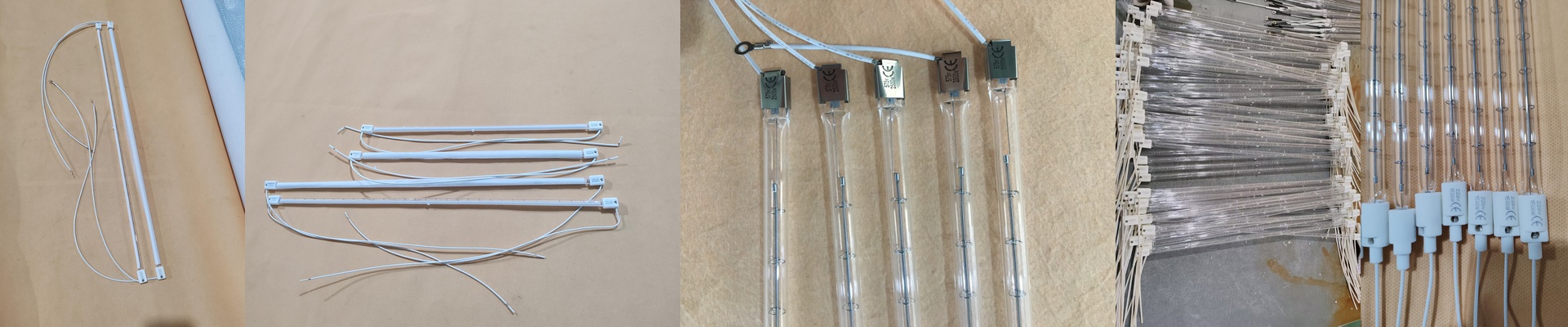
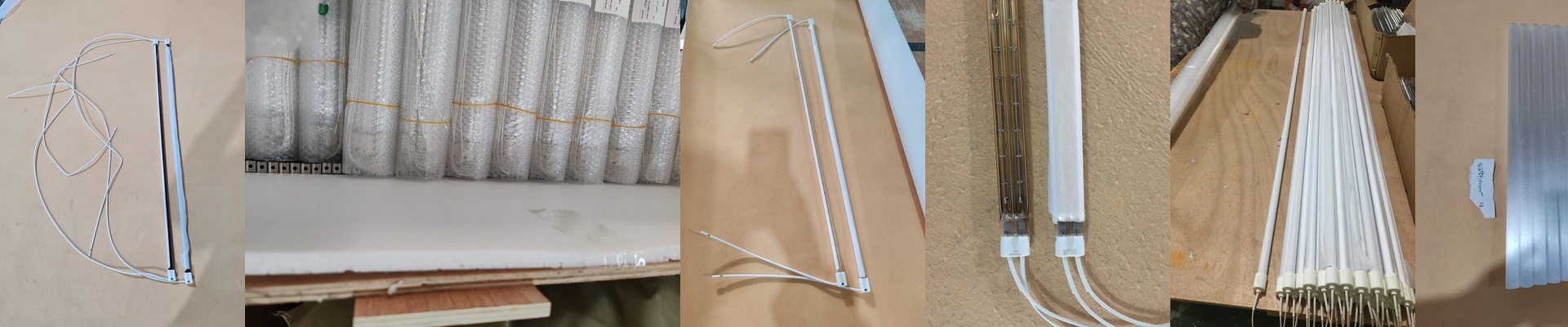
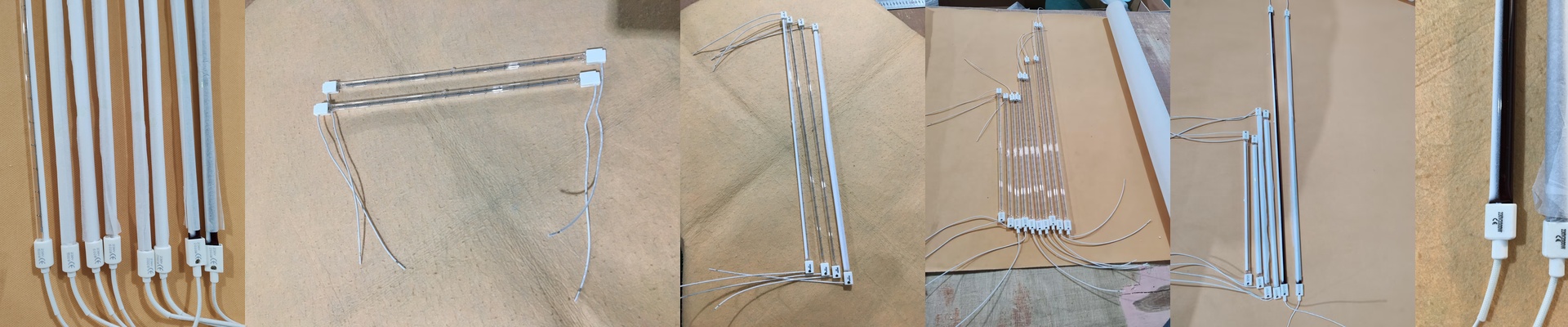
Shortwave lamps are like a sprint. They hit the surface with a ton of energy, fast. If you’re doing thin coatings or just need a quick flash-off to get things moving, these are your best bet. The heat stays right on top. Mediumwave is a different story. It’s more of a slow burn that sinks deeper into the part. If you’re working with thick powder on heavy steel, you need this. Otherwise, you’ll scorch the surface before the bottom layer even realizes it’s supposed to be fusing. Then you’ve got twin-tube setups. Think of these as a way to cram more heat into the same space. If your oven is already at its physical limit but you still need a massive heat load, this is how you do it.
The Trade-offs (The stuff they don’t always tell you)
Here’s the thing about shortwave: they run hot. Like, really hot. You have to be obsessive about your reflectors. If the beam isn’t focused perfectly, you’re basically paying to heat up your oven walls instead of your parts. You could be wasting nearly half your energy. Mediumwave is a bit more relaxed. You don’t have to stress as much about the focus, but you’ll be waiting a bit longer for them to warm up and get to temperature. And a heads-up on those twin-tubes: they’re power-hungry. They pull way more current. Before you swap them in, double-check your wiring and your panel. If you’re already pushing your electrical limits, a twin-tube upgrade is a great way to trip your breakers on a Tuesday morning.
Real Talk for the Shop Floor
If your line is moving fast and every second counts, go with shortwave. It kills your cycle times. But for those heavy industrial pieces with a lot of thermal mass? Stick to mediumwave. One last tip when you’re actually wiring these things up: be gentle. Quartz tubes are brittle. If you over-tighten the clamps or force a connector, you’re going to burn out a tube way sooner than you should. Plus, make it a habit to check your reflector alignment every 500 hours. It takes a minute, but it’s the only way to make sure your cure stays consistent across the whole part.