Why Your IR Lamps Keep Warping (And How to Stop It)
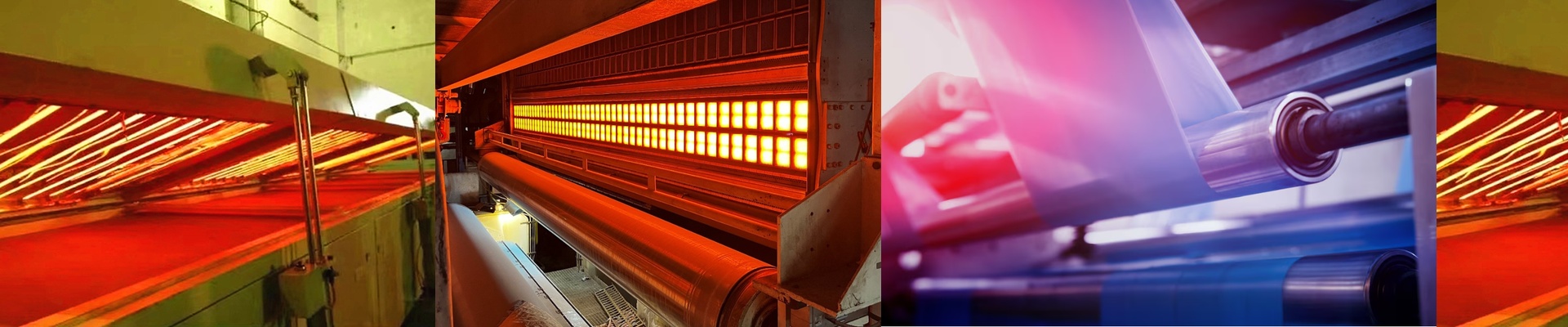
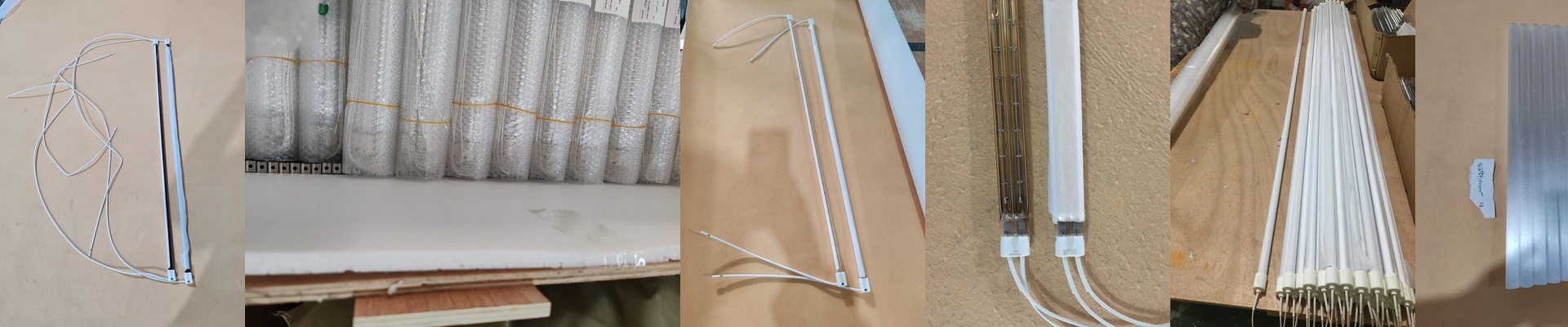
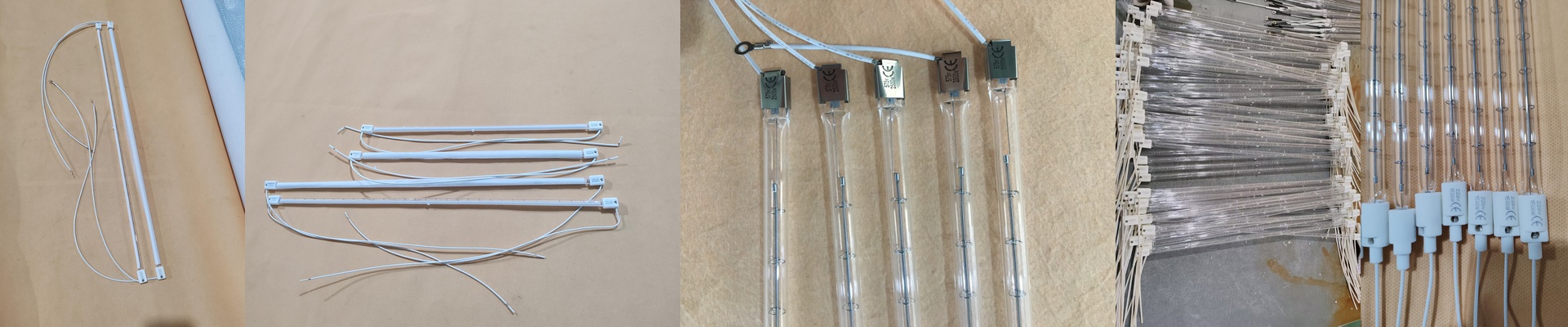
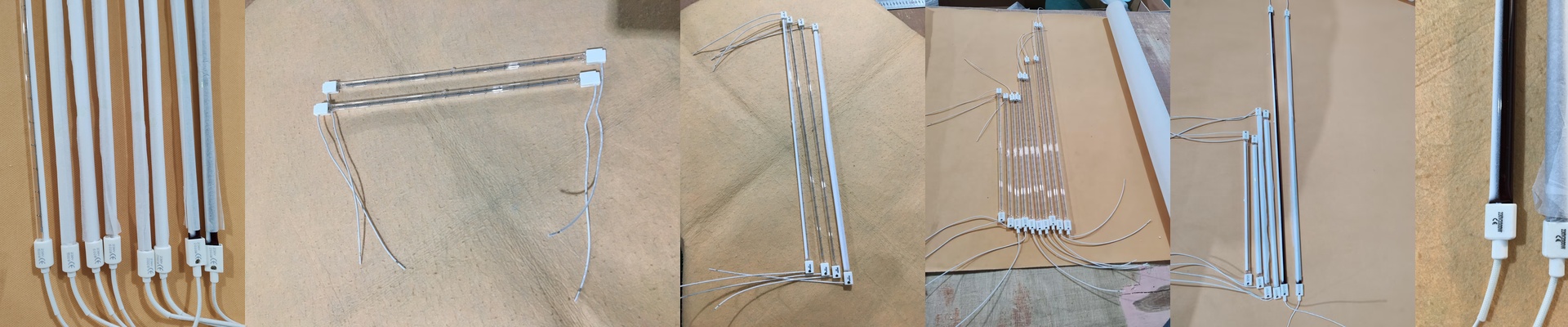
Textile coating lines aren’t exactly steady. They’re always cycling—on, off, on again. Every time you flip the switch on an IR lamp, that tungsten filament and the bracket holding it up go through a violent swing of heating up and cooling down. In a busy plant, we’re talking tens of thousands of these cycles. It’s a beating. If your support bracket isn’t built for that kind of stress, the lamp starts to bow. And once it bends, your focal point shifts. Suddenly, you’ve got uneven curing, wasted material, and a headache on your hands. The struggle with structural fatigue Here’s the thing: when a lamp hits its operating temp, the metal expands. If the bracket is too stiff or made from some cheap alloy, that stress has nowhere to go. It just builds up. Eventually, you get these tiny, microscopic cracks. Then, the bracket just gives up. We handle this by using specific high-temp alloys and leaving just enough “breathing room” in the design. This lets the lamp expand and contract naturally without losing its shape. We don’t guess. We test. I’m not interested in “theoretical” lifespans. We put our gear through the wringer—simulating over 20,000 on/off cycles to see what actually happens. We measure the lamp’s axis before and after. If it shifts even a fraction of a millimeter? We scrap the design and start over on the bracket geometry. It’s the only way to be sure. The balancing act Of course, there’s always a trade-off. If we make the support too flexible to avoid fatigue, you might run into vibration issues—especially if your conveyor system is a bit noisy or shaky. You have to find that sweet spot between dampening the vibration and letting the metal expand. Now, you could just leave your lamps running at max wattage all the time. Sure, the bracket would last longer because it isn’t cycling. But your electricity bill would be terrifying. Most shops want the flexibility to cycle their power. That’s why the real secret to a long-lasting lamp isn’t the bulb itself—it’s how well the support handles the fatigue.