Getting the Heat Right in Textile Curing
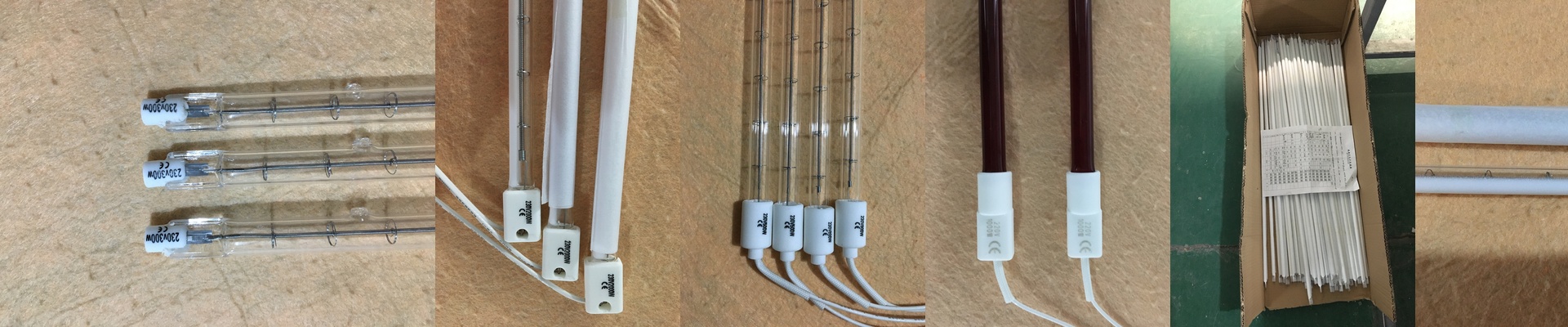
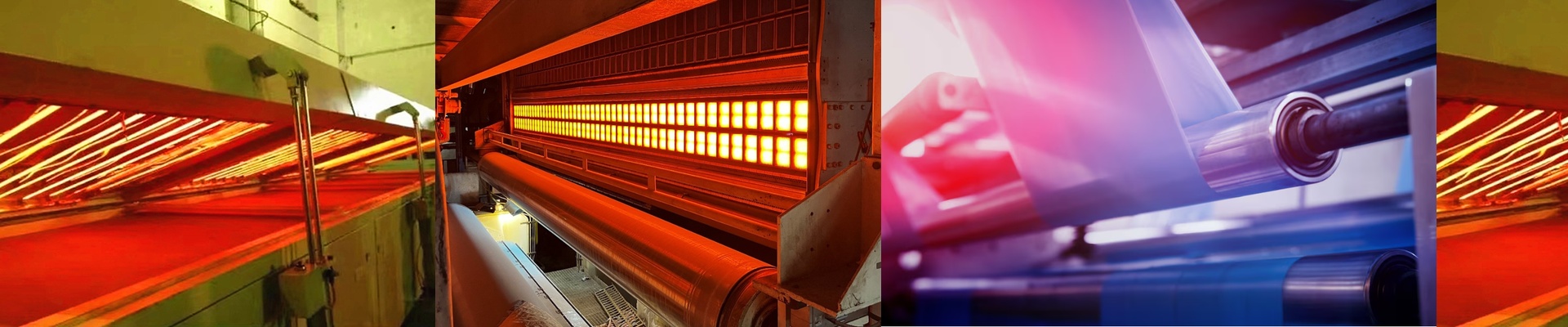
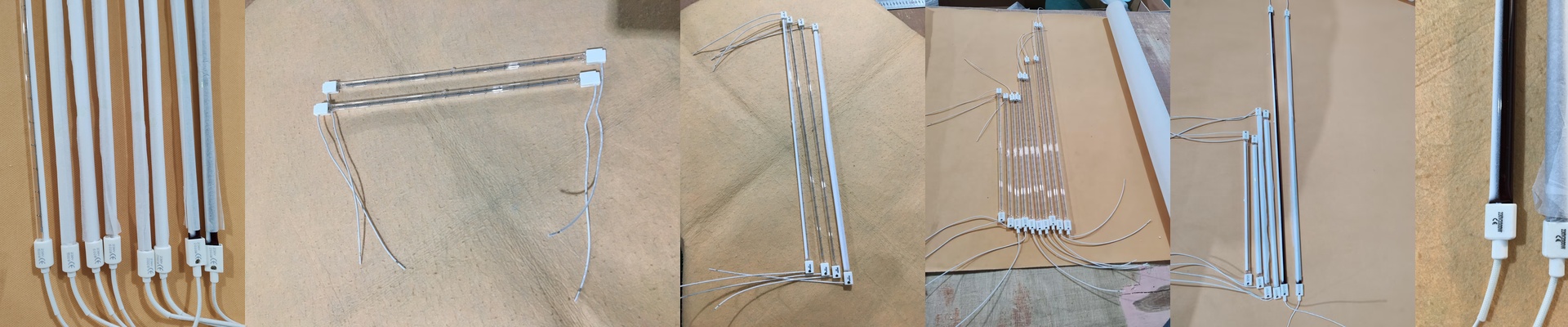
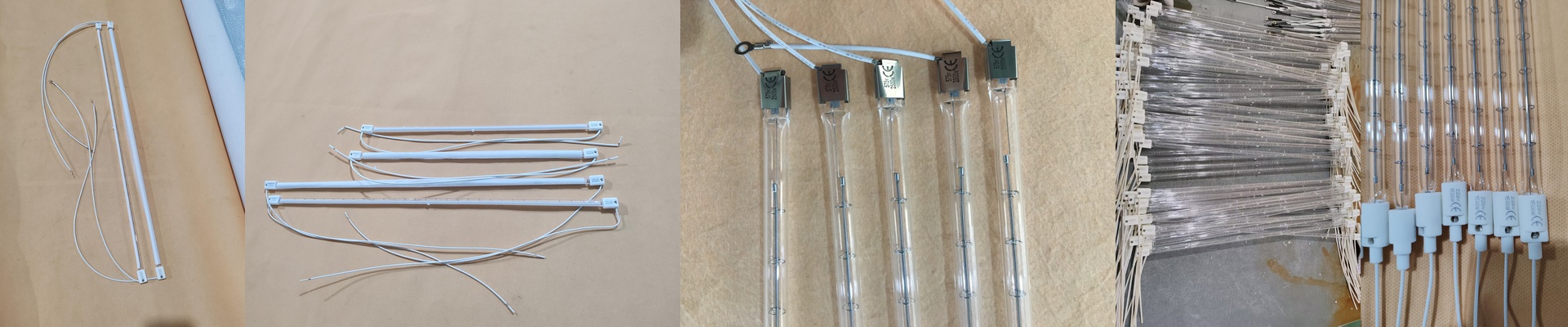
If you’ve ever worked with textiles, you know the stress of hitting that sweet spot with heat. You need enough to set the dyes and cure the finishes, but one tiny slip-up and you’ve scorched a whole roll of fabric. That’s a lot of wasted yardage and a lot of headaches. That’s why we don’t just make “heaters.” We build certified IR lamps that can actually handle those tight tolerances on a fast-moving industrial line.
The Balance of Power
Here is the thing about power density: it’s a balancing act. When you’re pushing a massive amount of energy through a small quartz tube, you’re playing with fire—literally. If you use cheap parts, the filament just gives up under the load. We use certified components so your lamps actually last. But you’ve got to get your power supply right. If you under-power the tube, you’ll never hit the temperature you need to cure the fabric. Go too far the other way? You’ll fry the filament in no time.Match them exactly.
Why the Glass Matters
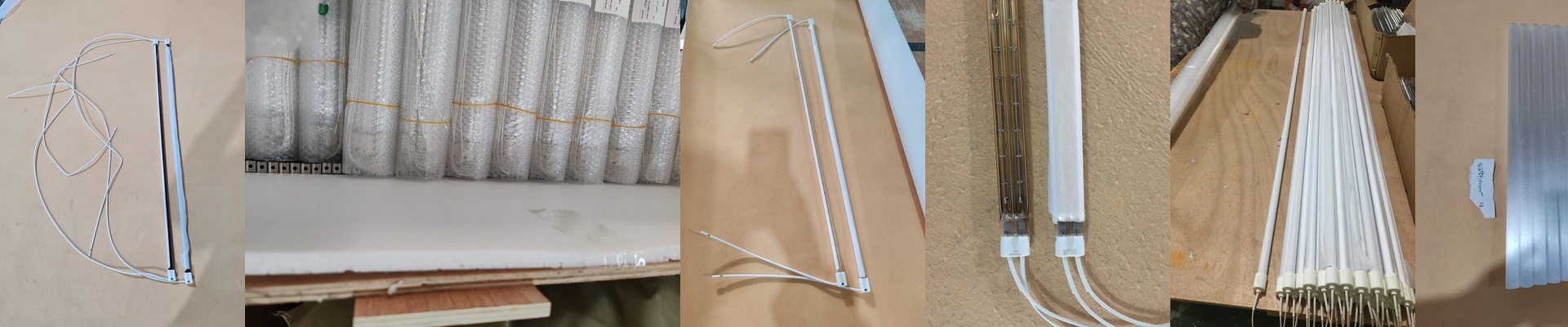
We use high-purity quartz glass for a simple reason: we want the heat to hit the fabric, not get trapped in the tube. Depending on what you’re running, we can add specific coatings to shift the emission spectrum. It’s a neat trick that lets the heat either sink deep into thick fibers or just skim the surface of lighter materials. It all depends on what your fabric needs.
Keeping Things Running
Getting these into your machines is the easy part. They’re designed to be drop-in replacements with standard connectors, so you aren’t spending all day on wiring. But a word of warning: these lamps gethot. Really hot. Make sure your housing ventilation is up to the task. If your cooling fails or your reflectors get caked in dust, the thermal stress can actually crack the quartz. My best advice? Get into the habit of cleaning your reflectors every week. It’s a small chore, but it’s the only way to make sure the heat stays even across the entire width of your fabric.