Why we’re ditching steam for IR in the textile shop
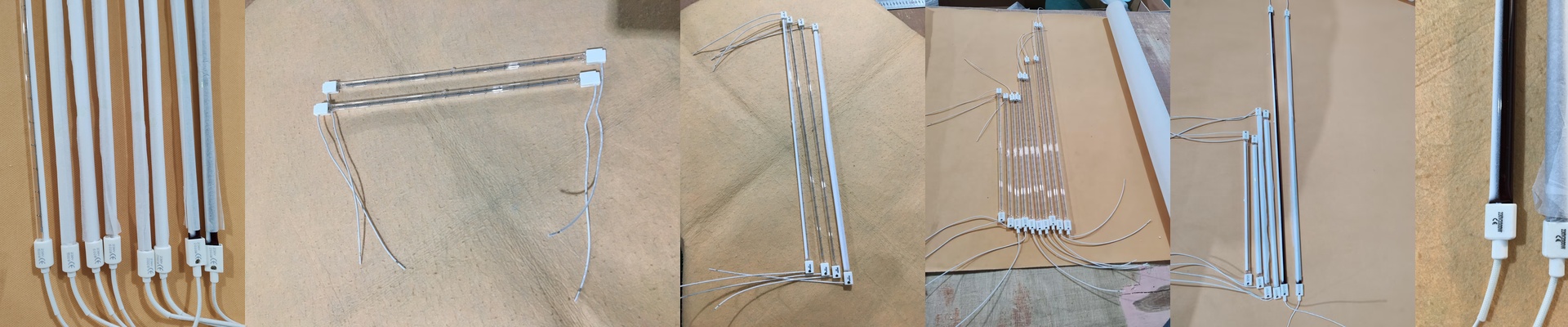
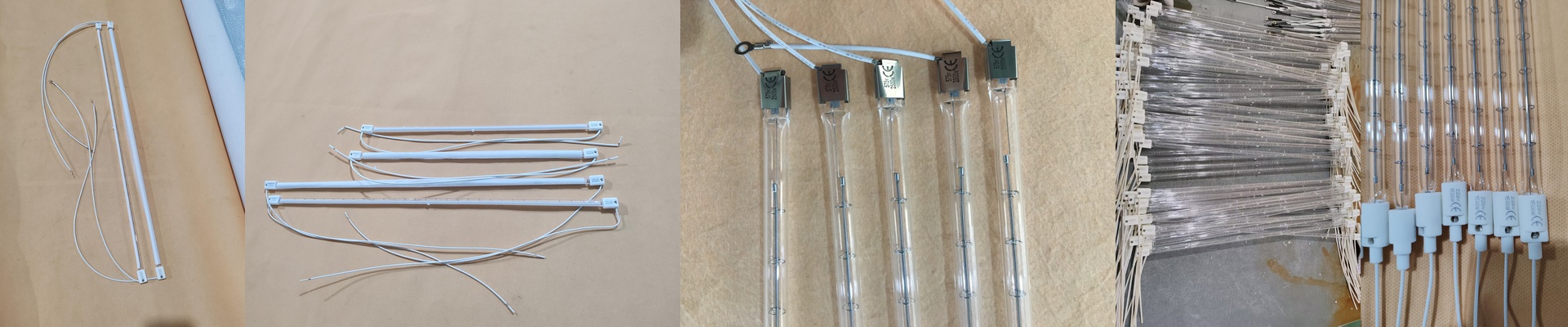
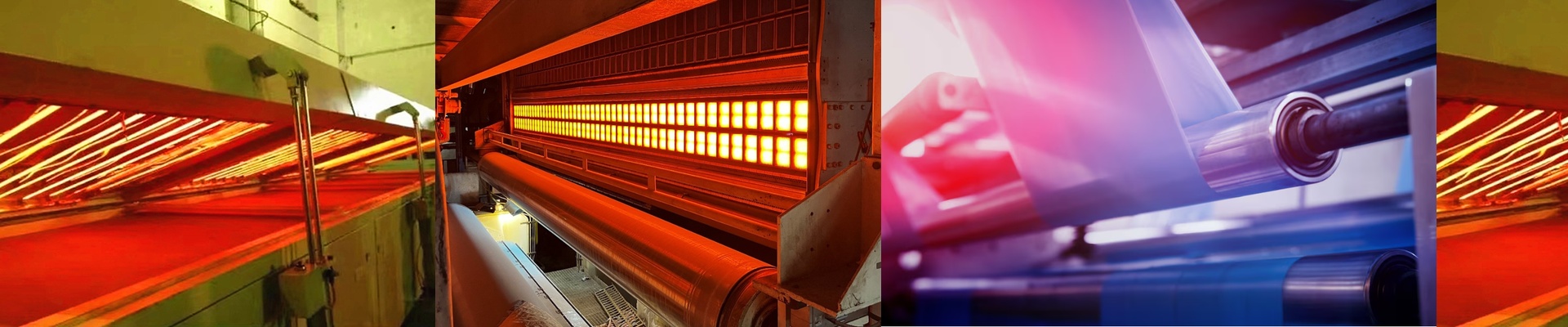
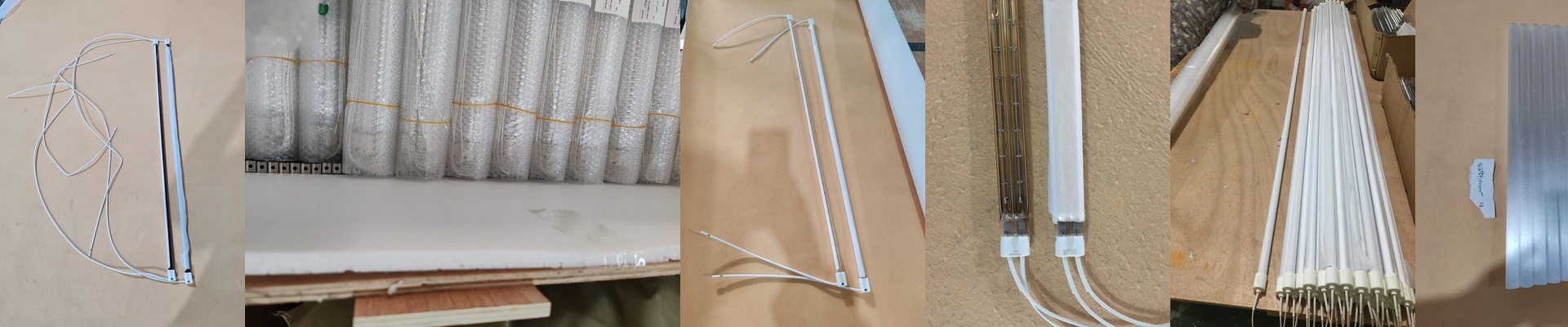
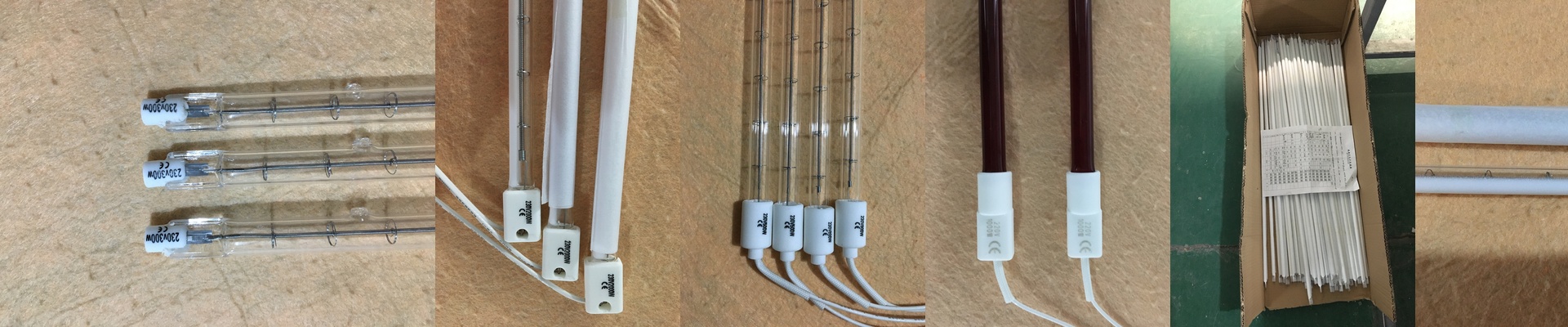
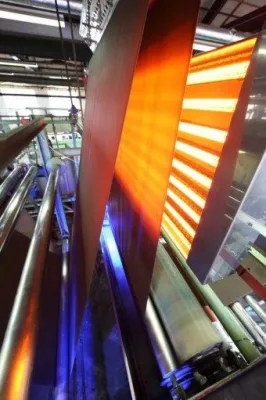
Let’s be honest: those old-school steam tunnels are slow. They’re clunky. And they aren’t exactly “precise.” That’s why we’ve stopped looking at IR lamps as just another heater. Instead, think of them as a digital switch for your heat. You can dial in the temperature down to the millisecond. If you’re running a smart dyeing or finishing line, that kind of control is everything. Getting the heat exactly right When you’re setting dyes or drying fabric, you’re walking a thin line. Too little heat and the dye doesn’t stick. Too much? You’ve just scorched your fibers. We figure this out by looking at the wattage per centimeter. By using high-wattage quartz tubes, you hit your target temperature almost instantly. The best part is that you aren’t wasting money heating up the air in the room; the waves go straight into the material. Plus, because the heat is so concentrated, you can actually make your machines smaller. Just a heads-up, though: these high-wattage tubes pull a lot of power. You’ll need a stable voltage, or you’ll find yourself replacing burnt-out lamps way too often. The nuts and bolts We use high-purity quartz glass because it lets the radiation through without fighting it. Depending on what fabric you’re working with, we can add specific coatings to the tube. This stops the heat from bouncing off the surface and actually pushes it deep into the textile. And because we know things break in a factory, we stick to standard connections like R7s or Sk15. It means when a lamp finally goes, you can swap it out in a couple of minutes. No need to rewire the whole rack and lose half a day of production. Making it work on the floor Whether you’re spinning or printing, these lamps plug right into your PLC loops. We use SCRs to tweak the power on the fly, which keeps the heat in a very tight window. The result? Your fabric stays soft, not brittle. Your energy bills stop creeping up. And if you’re still using old gas burners, you can just drop these in. They talk directly to your monitoring system, so you actually know what’s happening with your heat in real-time.