Why High-Purity Quartz Actually Matters for Your Textile Line
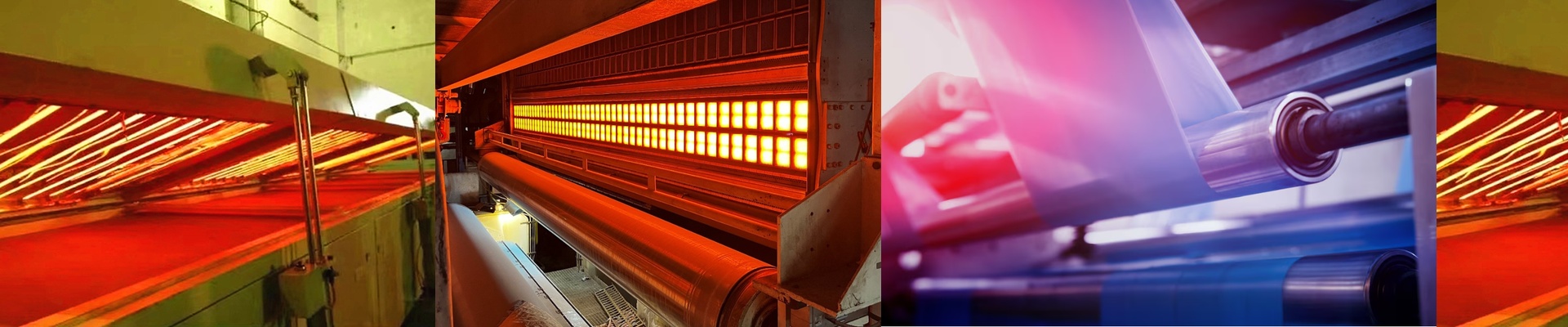
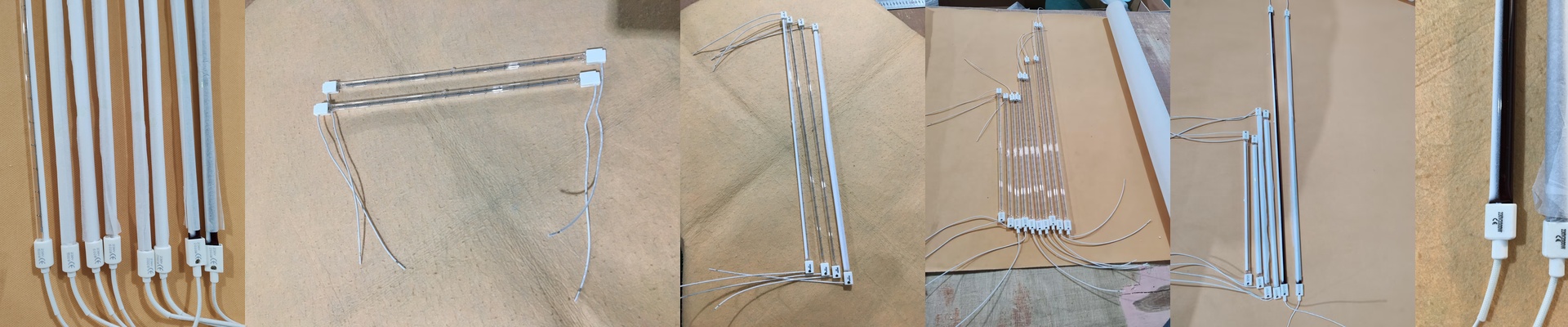
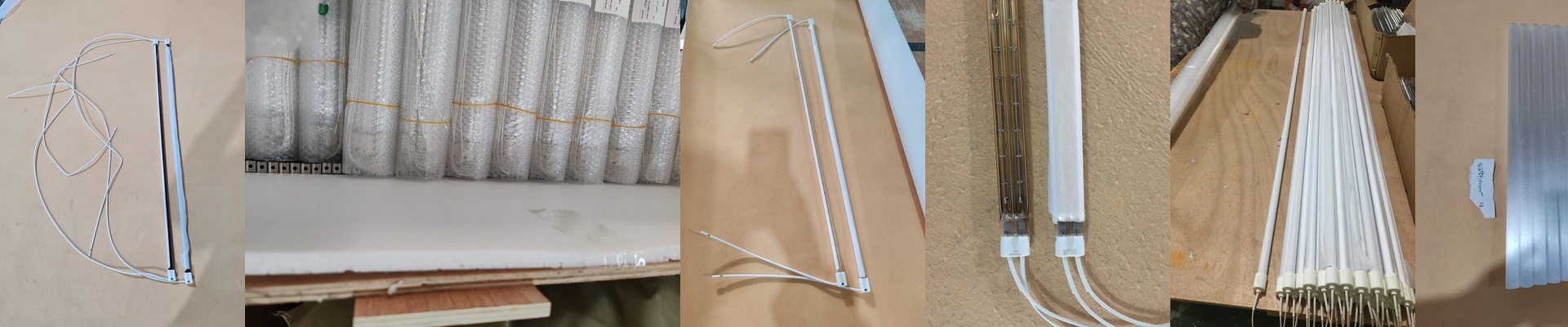
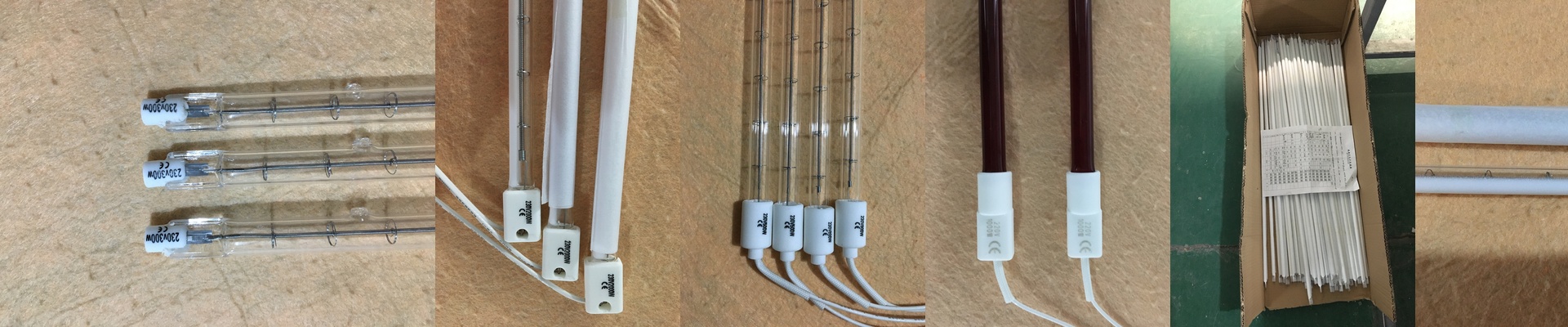
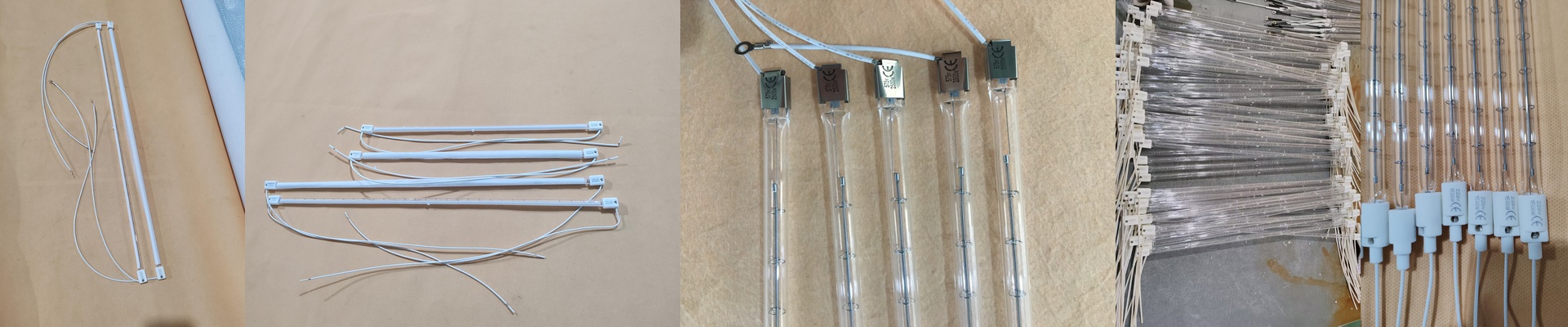
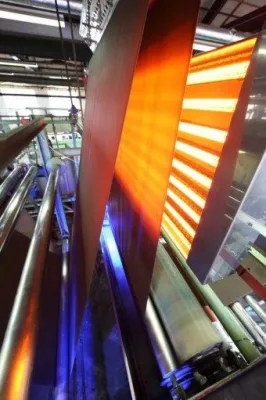
When you’re curing or drying textiles, it’s easy to think of the glass tube around the filament as just a protective shell. But it’s more like a lens. If you use standard glass, you’re basically putting a wall between your heat source and your fabric. A huge chunk of that infrared energy just hits the glass and stops. That’s why we lean on synthetic quartz with 99.99% purity. It strips out the metallic gunk—things like iron and titanium—that soak up the IR energy before it ever reaches the material. The problem with “good enough” quartz Most industrial quartz is fine for basic jobs. But when you’re running high-speed lines, every single percentage of light getting through counts. Here’s the thing: when there are impurities in the quartz, they create these “absorption bands.” Think of them as heat traps. Instead of the energy flying straight through to the fabric, the tube itself starts soaking up the heat. The result? The tube gets way too hot, your filaments burn out early, and you’re replacing lamps way more often than you should. With 99.99% purity, the radiation just glides through. Handling the heat (and the risks) One big plus is how these tubes handle a sudden jump in temperature. Synthetic quartz doesn’t freak out when it gets hot. You can crank the power up to the max and you won’t have to worry about the envelope cracking from thermal shock. But there is a catch. This high-purity stuff is softer. It scratches easily. If your team is rushing and scuffs the tube while sliding it into the reflectors, you’ve got a problem. A single deep scratch can create a “hot spot,” and under high heat, that’s usually where the tube fails. Handle them like they’re expensive—because they are. Getting more out of your floor space The real win here is speed. Because more IR energy is actually hitting the substrate, you can push your conveyor belt faster without worrying about under-curing your textiles. You’re getting more product out the door using the exact same footprint. Just a heads-up: since you’re pushing more radiant energy, double-check your cooling fans. Make sure they can handle the extra load on the chassis so nothing else overheats.