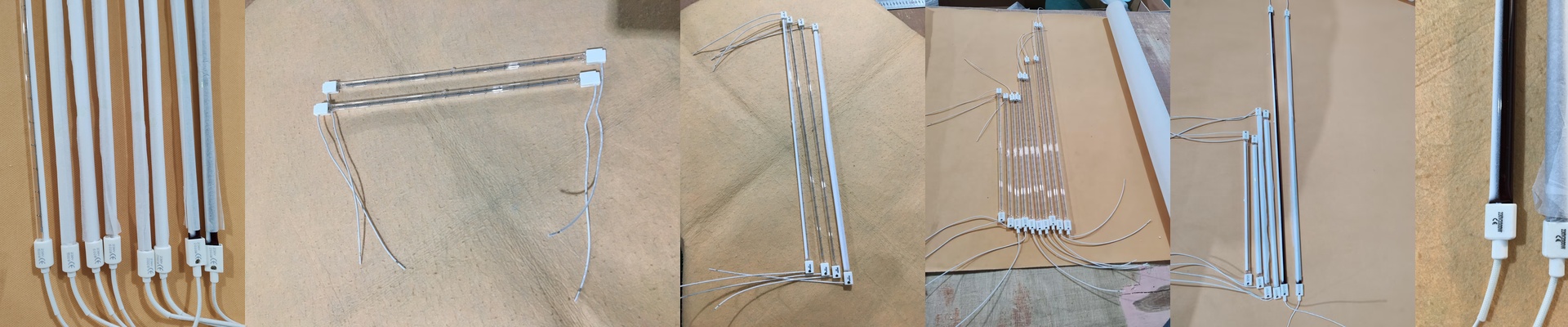
Stop Guessing with Your IR Heaters
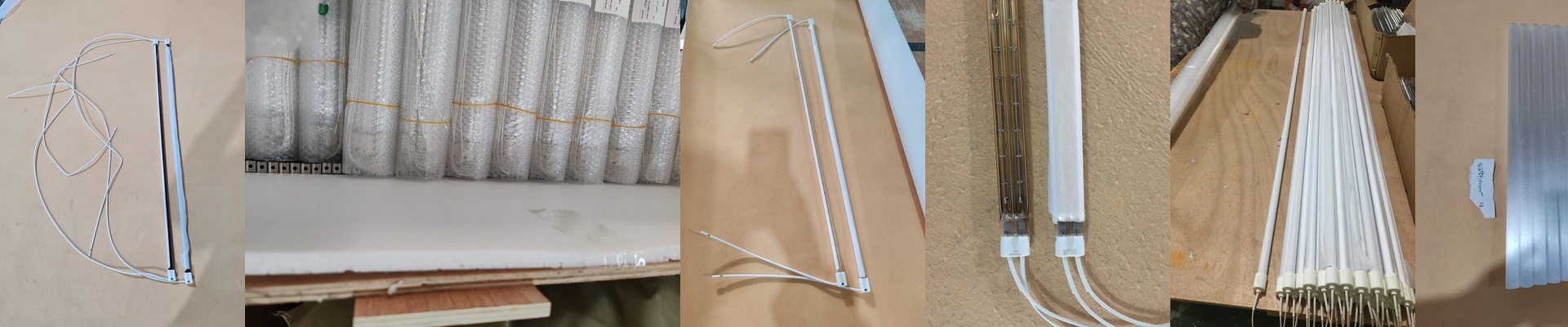
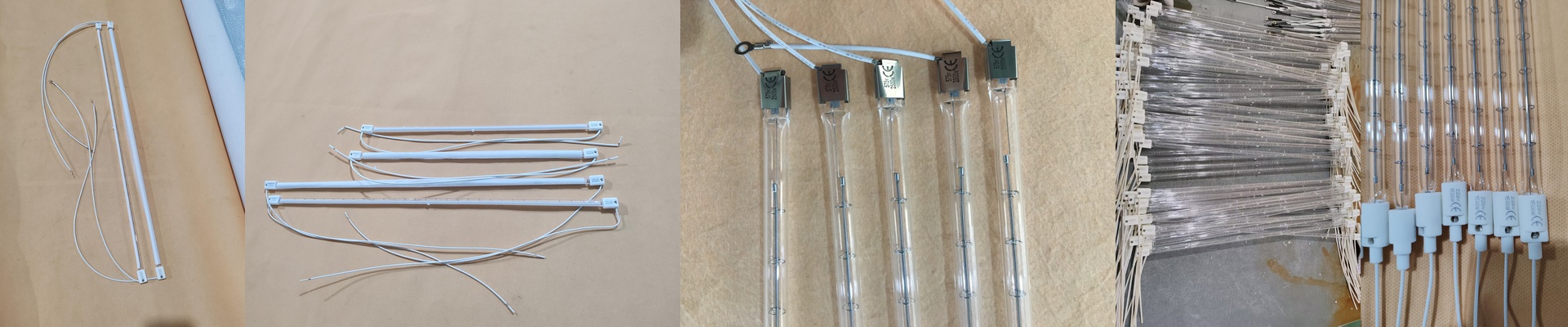
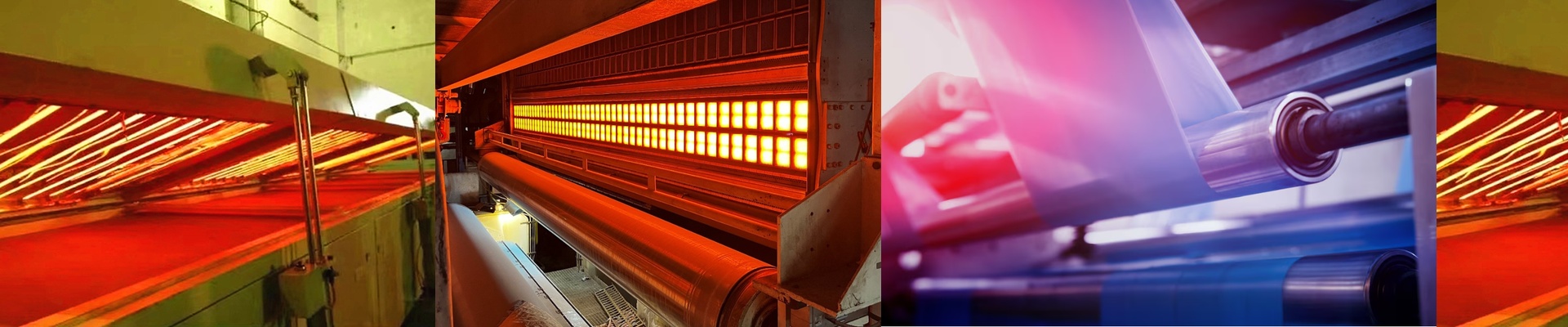
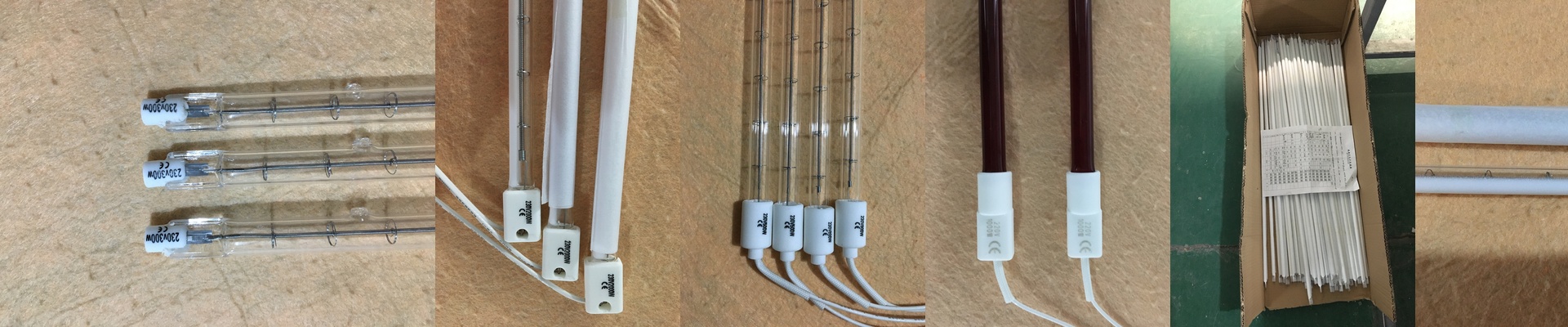
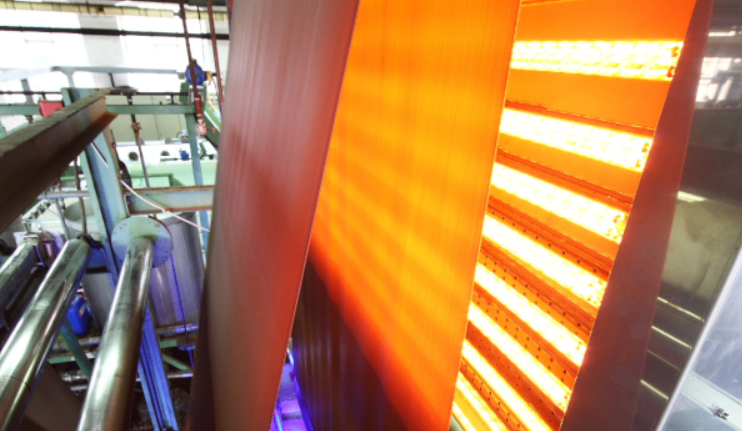
For a long time, the IR lamps in textile machines have been pretty “dumb.” You wire them in, set a timer, and just pray they don’t pop in the middle of a shift. It’s a bit of a gamble, really. But things are changing. We’re finally seeing these lamps actually talk back to the machine via the cloud and PLCs. Here is why that actually matters on the shop floor. Usually, these lamps just run at a fixed wattage. If a filament starts to go or a tube fails, you don’t always notice right away. You just end up with fabric that dries unevenly.That’s a nightmare. Now, we can put sensors right in the housing to track the actual heat output. The lamp basically tells the machine, “Hey, I’m struggling over here.” You get a heads-up before the tube dies, which means you save the fabric instead of tossing it in the scrap bin. And let’s be honest—walking the floor with a handheld pyrometer is a waste of time. It’s tedious. The new way does the thinking for you. The system uses a feedback loop to adjust power based on how fast the fabric is moving and how much moisture is left in it. No more scorching the material because the line slowed down. Of course, there’s a catch. Adding all these sensors and modules makes the heating assembly a bit bulkier. The wiring gets a little more crowded, too. You can’t just grab a generic tube from a catalog and swap it in; you need a controller that actually knows how to read the data. But the payoff is worth it. In a few years, we’ll probably stop replacing lamps because “it’s Tuesday” or because a manual says so. We’ll just replace them when the data tells us they’re actually worn out. Less downtime, less guesswork, and a lot less stress for everyone involved.