
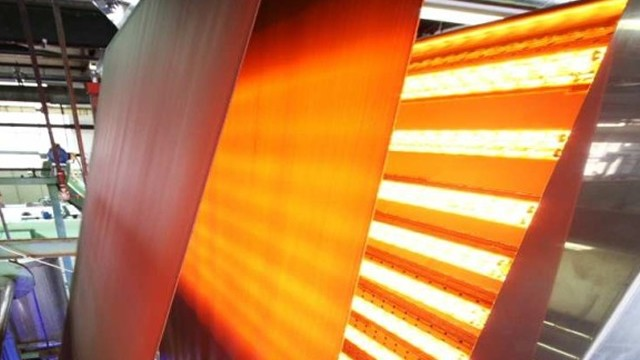
Stop Letting Steam Kill Your IR Lamps
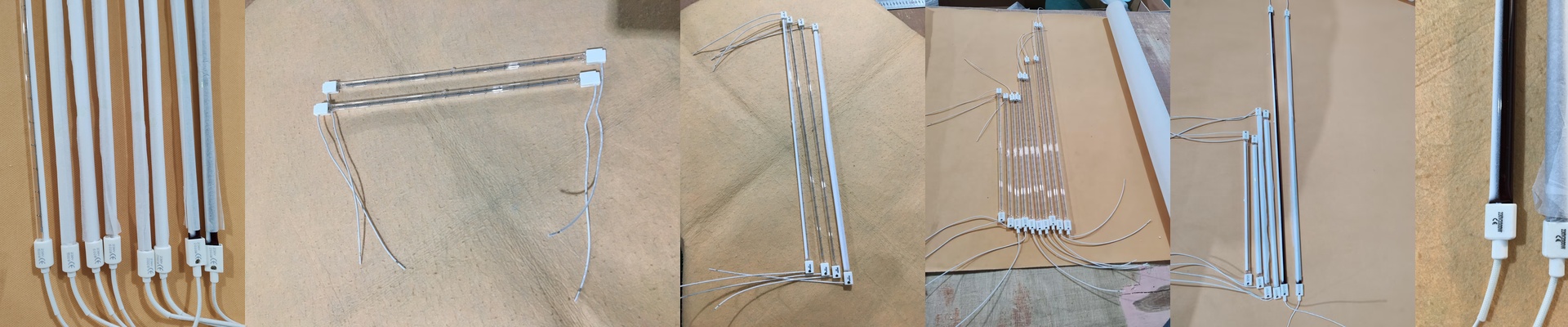
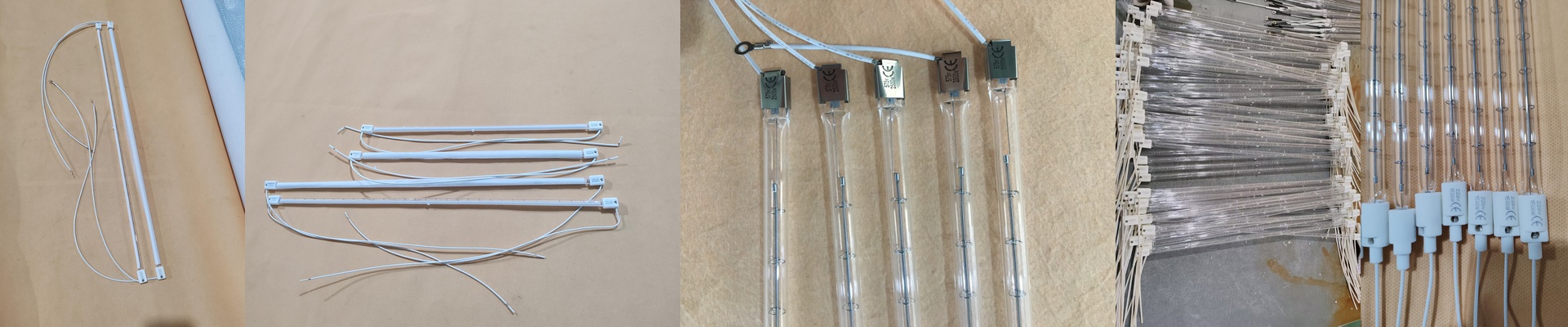
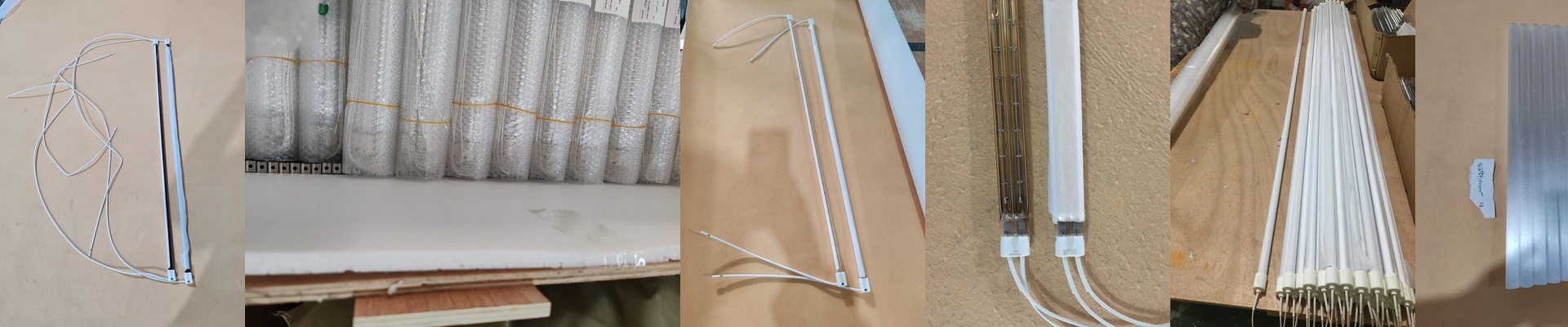
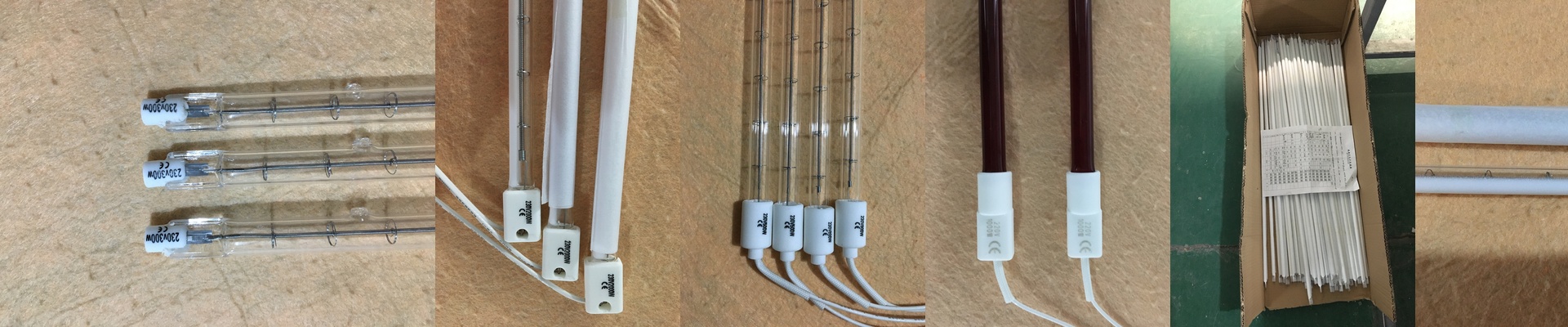
If you’ve spent any time on a textile drying line, you know the drill. You heat up damp fabric, steam clouds everything, and suddenly your infrared lamps are dead. It’s a frustrating cycle. That “fog” isn’t just a nuisance—it’s actually water condensing on the quartz. It creates these tiny, freezing cold spots on a blistering hot tube. The result? Thermal shock. The glass cracks, the lamp pops, and you’re stuck replacing parts again. We got tired of seeing that happen, so we built our 5,000-hour modules to actually survive high-moisture environments. How we stopped the fog Most lamps fail because water droplets just sit there on the glass. It makes the temperature all over the place. Our approach is simpler. We redesigned the housing and the way air flows around the lamp to basically push the moisture away. If the vapor can’t cling to the surface, the quartz stays at a steady temperature. No sudden shocks, no cracks, no midnight emergency repairs. The nitty-gritty on the 5,000-hour mark We use high-purity quartz and a refined halogen cycle to hit that 5,000-hour lifespan. You won’t see that annoying dip in wattage after a few hundred hours; it just stays steady. But here’s the catch. The anti-fog design protects the glass, but it can’t save a filament from bad power. If your voltage jumps around by more than 5%, you’re going to shorten the lamp’s life. You need a clean, stable power feed if you want to actually hit that 5,000-hour goal. Getting them onto your floor These are designed to be drop-in replacements. They fit right onto your existing rails without a headache. We also beefed up the environmental seal to keep the gunk out. One quick tip: make sure your exhaust fans are actually doing their job. Our modules handle the residue and the steam beautifully, but they aren’t magic. You still need a decent ventilation system to pull the bulk of that steam out of the chamber.