

OEM vs. High-Spec Lamps: Is it worth the switch?
Let’s be honest. When you’re running a high-volume coating line, the last thing you want to do is gamble with your lamps. We see it all the time. Engineers get nervous about swapping out those expensive OEM bulbs for domestic alternatives. They’re worried about burn-out rates or, worse, the paint not curing properly because the surface temperature didn’t hit the mark. It’s a stressful spot to be in.
How the “long life” thing actually works
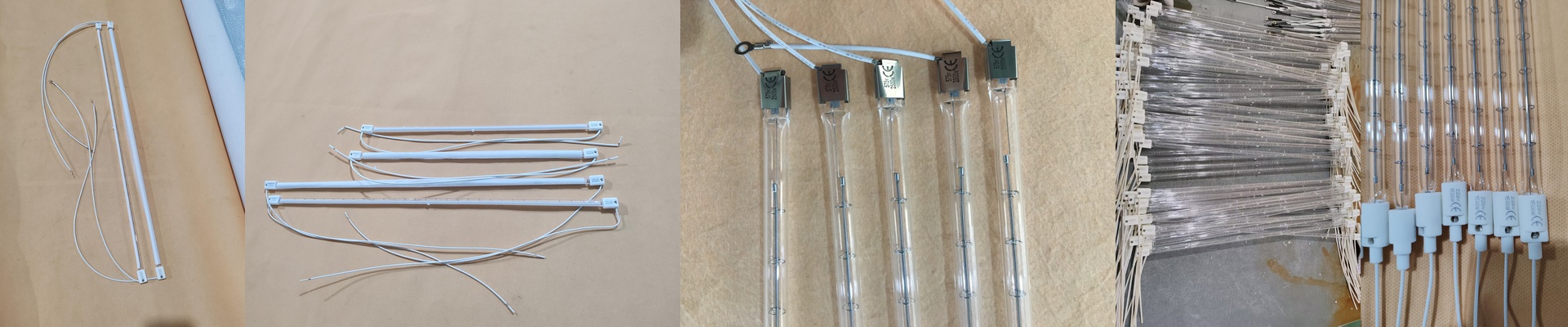
Here is the deal with halogen lamps. You’ve got a tungsten filament inside a quartz tube filled with halogen gas. As that filament starts to evaporate, the gas grabs the tungsten and pushes it right back onto the wire. It’s a loop. It keeps the glass from getting cloudy and keeps your wattage steady. If you’re spraying appliances, you need that heat to be rock-solid. If the output dips even a little, you end up with under-cured paint and a pile of rejected parts. Nobody wants that.
Getting the specs right
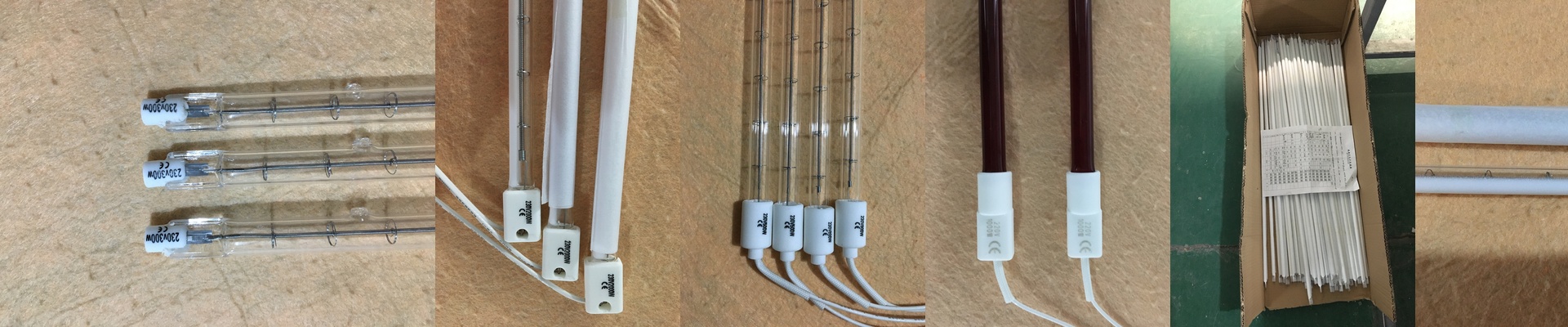
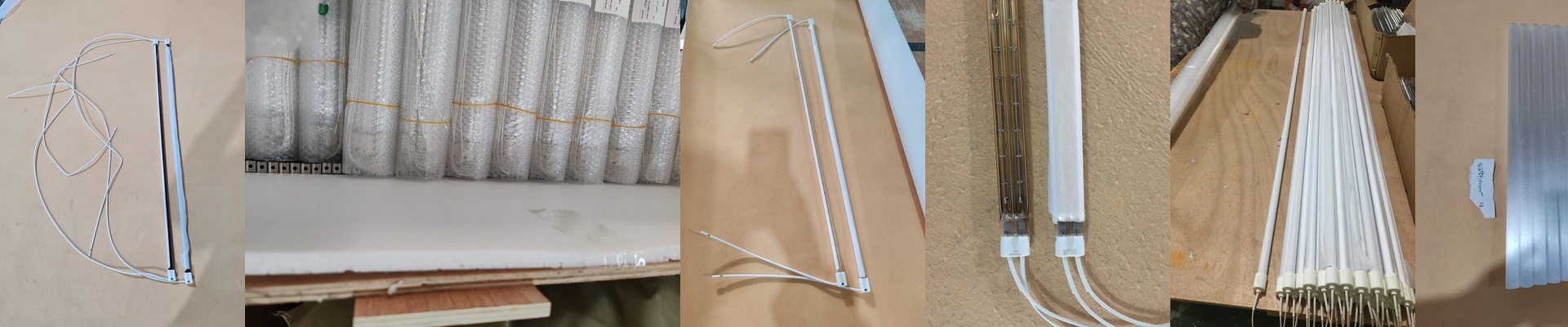
When we look for a replacement, we don’t just glance at the wattage and call it a day. That’s a rookie mistake. We look at the voltage-to-length ratio. See, if you push a lamp too hard over a short distance, the ends will just fry. We balance the load so the heat spreads evenly across the whole piece. For appliance work, we often lean toward coated quartz. It changes the way the heat emits so the paint actually absorbs it. Instead of just heating up the metal frame, the heat goes straight into the coating. It’s just more efficient.
The trade-off
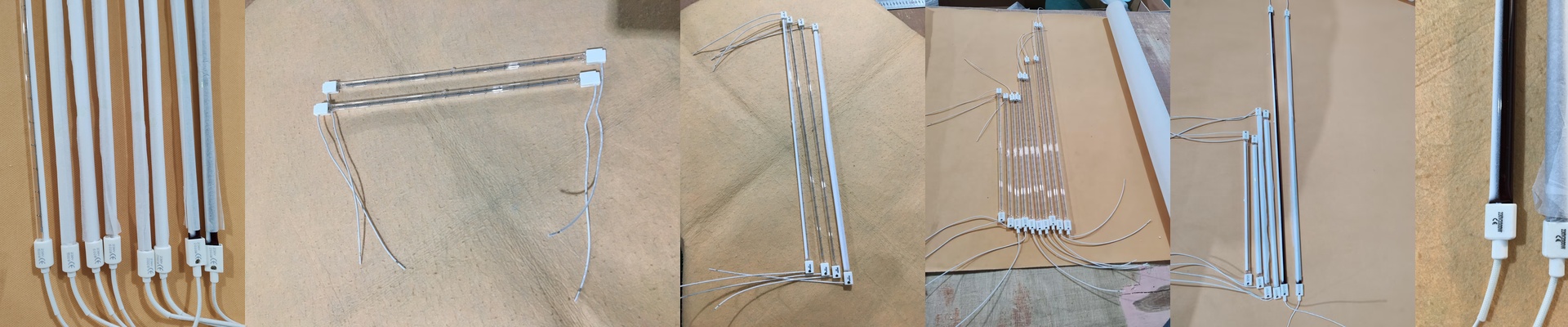
More heat density means you can speed up the line. Sounds great, right? But there’s a catch. If you crank up the wattage to shave 30 seconds off your cure time, you’re putting way more stress on the ends of the lamp. And please, for the love of everything, keep your reflectors clean. Dirty reflectors bounce heat right back into the bulb, which kills it way faster than it should. We’ll give you the data sheets. You check the footprint. Once the voltage is a match and the connectors click into place, all you have to do is keep an eye on the cure temp for the first 100 hours. After that, you’re usually golden.