Getting Your PET Blowing Right: The Deal with M-Shape Halogen Lamps
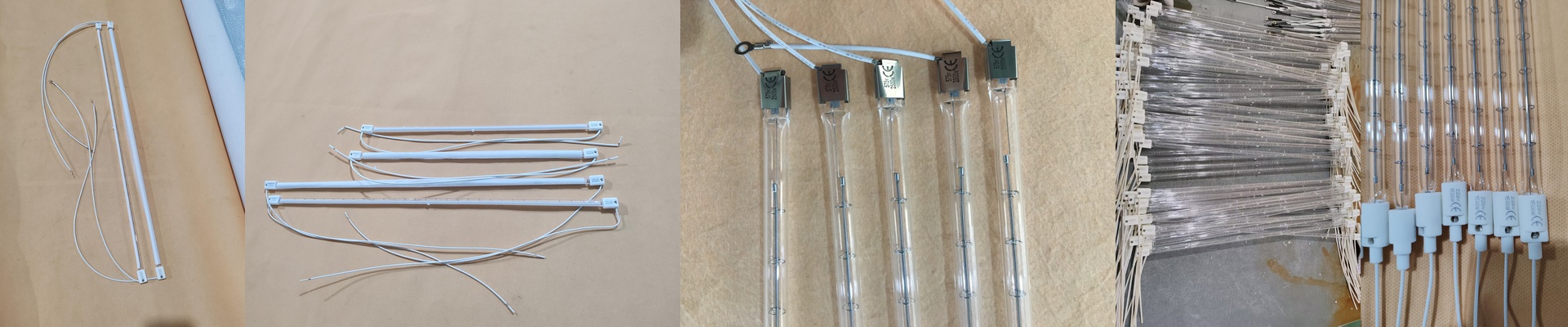
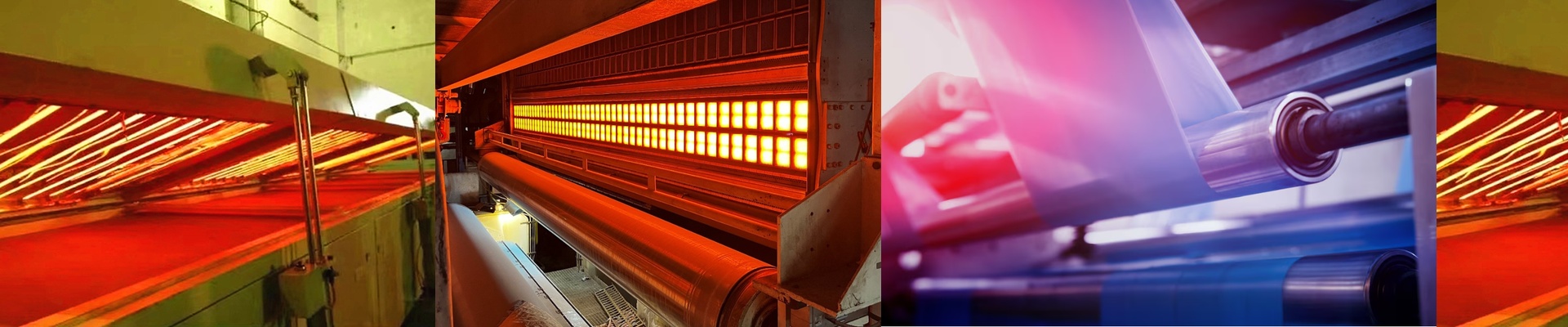
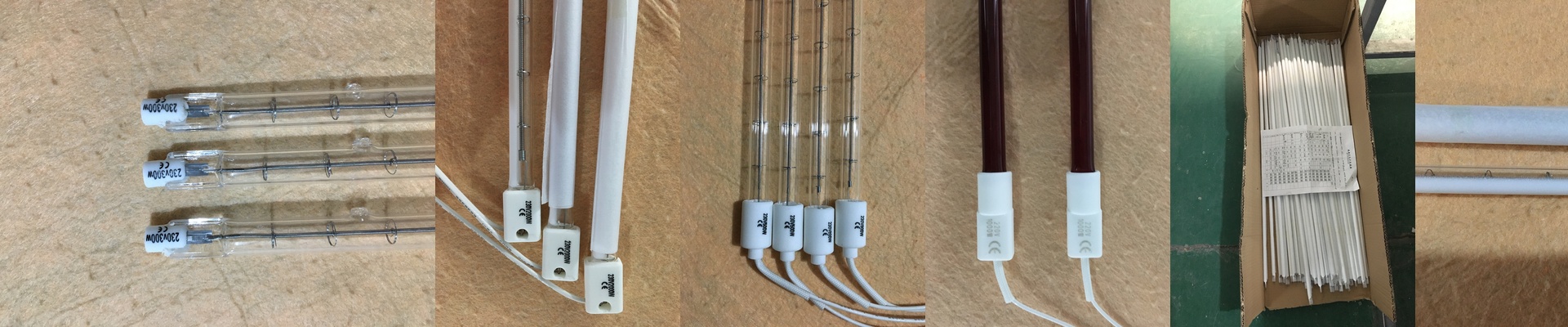
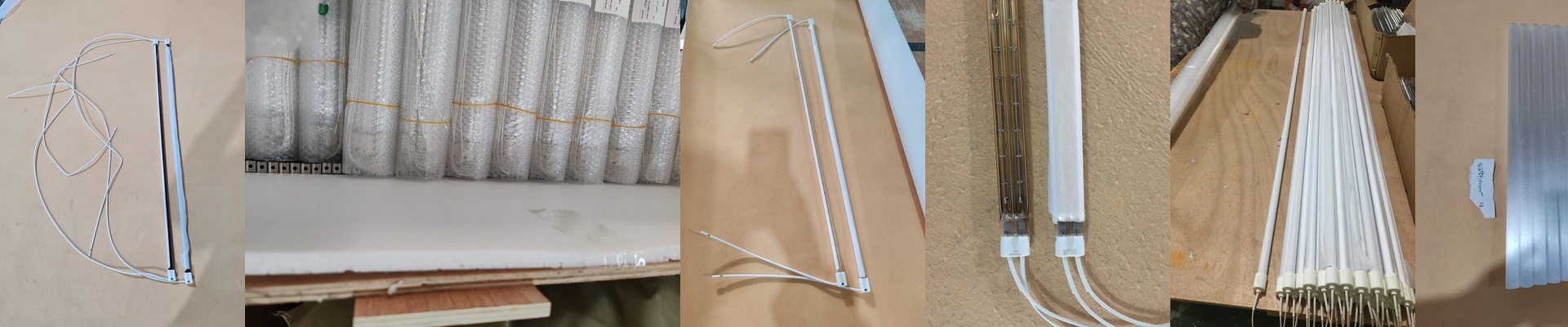
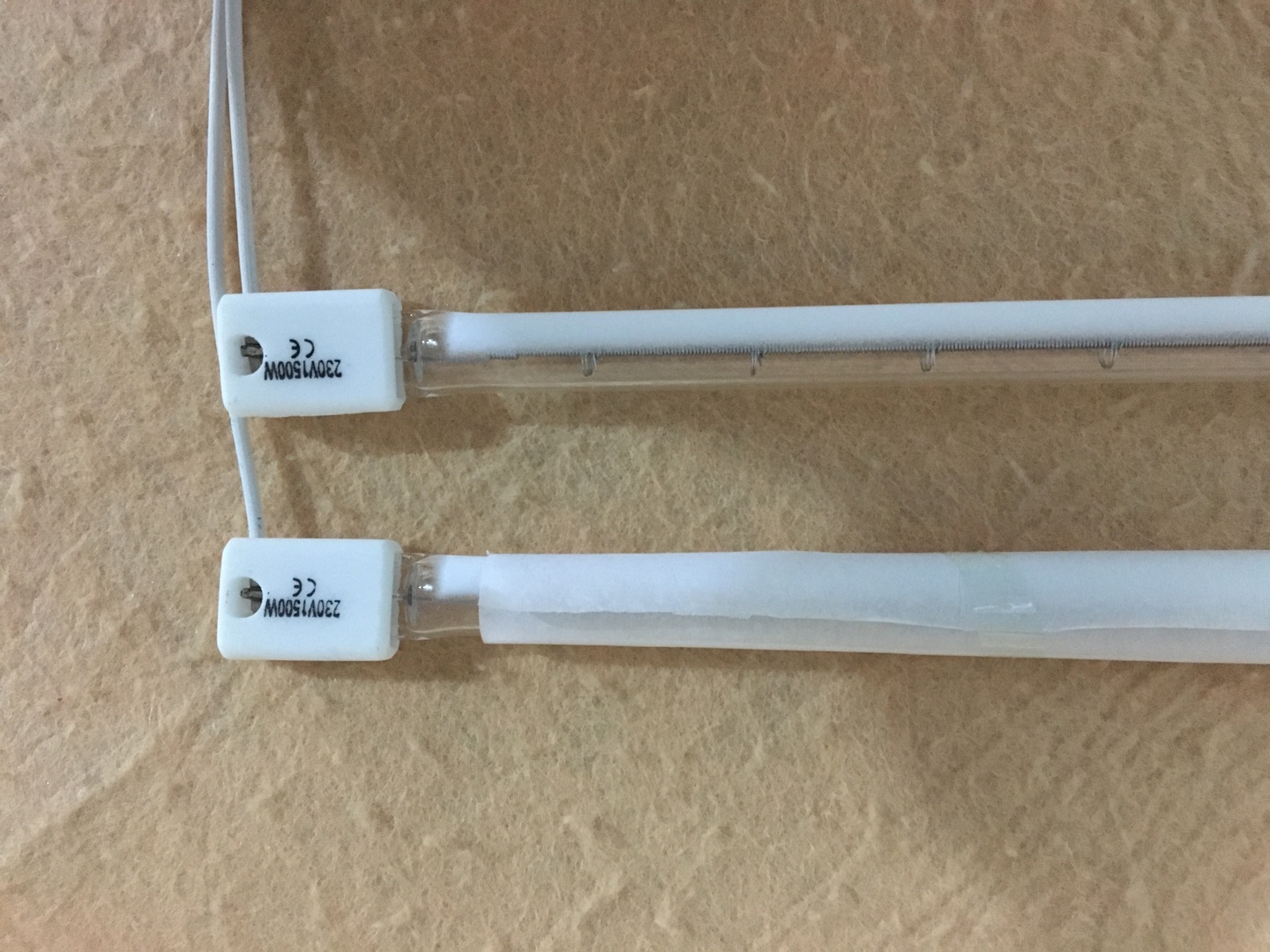
If you’ve spent any time around PET blowing, you know the struggle. You need that preform to hit the glass transition temperature exactly right before it blows. If you’re off by a bit, you’re in trouble. That’s why we built our M-shape halogen infrared lamps. The “M” isn’t just for looks. By folding the filament, we cram more radiating surface area into a smaller space. It means you can push more power into the preform without needing a longer tube. It’s a clever way to get more heat where it actually matters. The guts of the lamp These things run on high-voltage circuits to keep the heat steady. We use halogen gas inside the quartz envelope because it stops the tungsten filament from evaporating too fast. Why does that matter? Because these lamps are constantly flicking on and off. Without that gas, they’d burn out way too quickly, and nobody wants to be swapping bulbs in the middle of a production run. Depending on your setup, you can grab these in anything from 220V to 400V, so you don’t have to worry about voltage drops if your wiring runs are long. Built to take a beating We use heavy-wall quartz. It has to be tough to handle the thermal shock of heating up and cooling down rapidly. Most of our units use R7s or Sk15 connectors. They’re the industry standard, which is a fancy way of saying they just fit. You can swap them in and get back to work without hunting for weird adapters. We keep the quartz clear so the short-wave IR gets through easily, but if you’re worried about scorching your PET, let us know—we can add coatings to filter the wavelength. A few things to keep in mind The M-shape is great because it spreads heat more evenly across the preform. No more annoying cold spots that leave you with weird wall thickness in your bottles. But here’s the catch: these lamps put a lot of stress on your reflectors. If your reflectors are pitted or looking a bit oxidized, your efficiency tanks and your power bill climbs. One last tip? Check your cooling fans. These lamps get hot—really hot. Make sure your fans can handle the heat buildup around the sockets, or you’ll end up melting your connector housings. And that’s a headache you definitely don’t need.