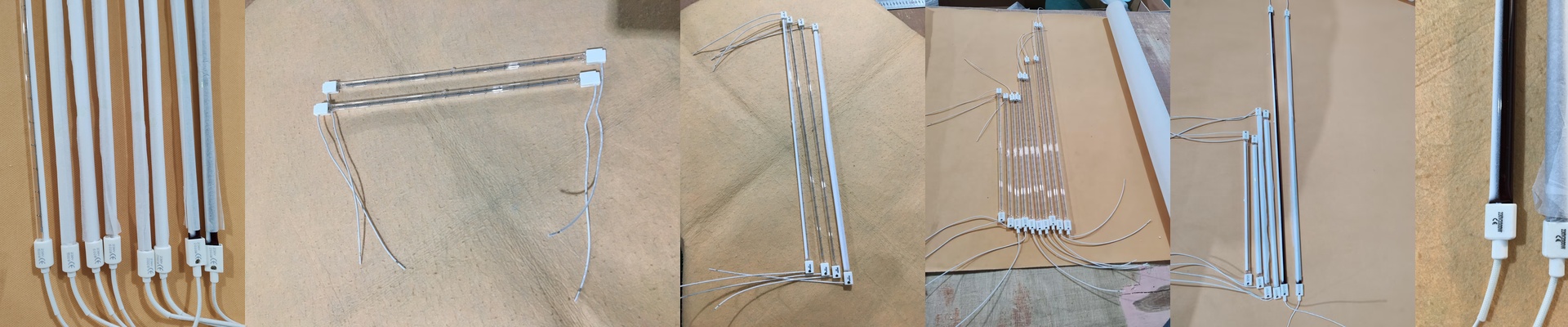
Introduction
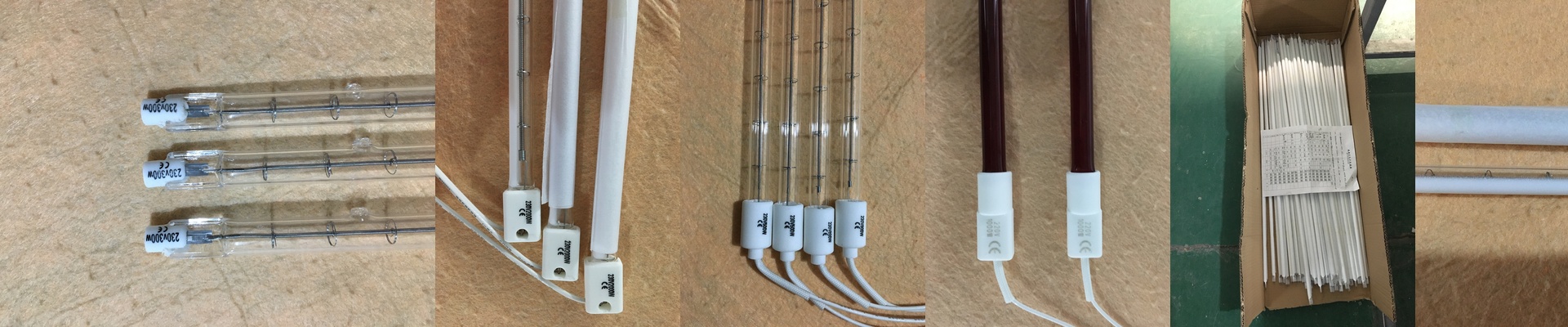
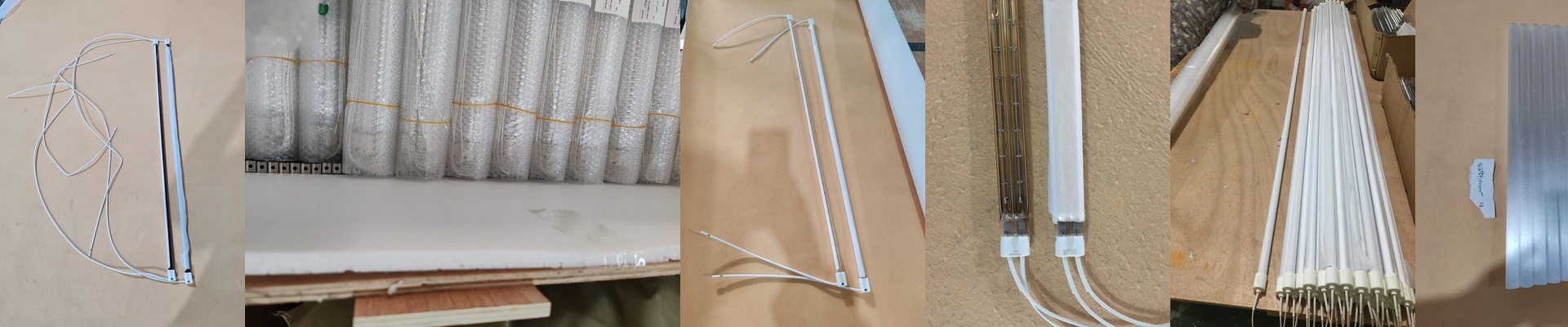
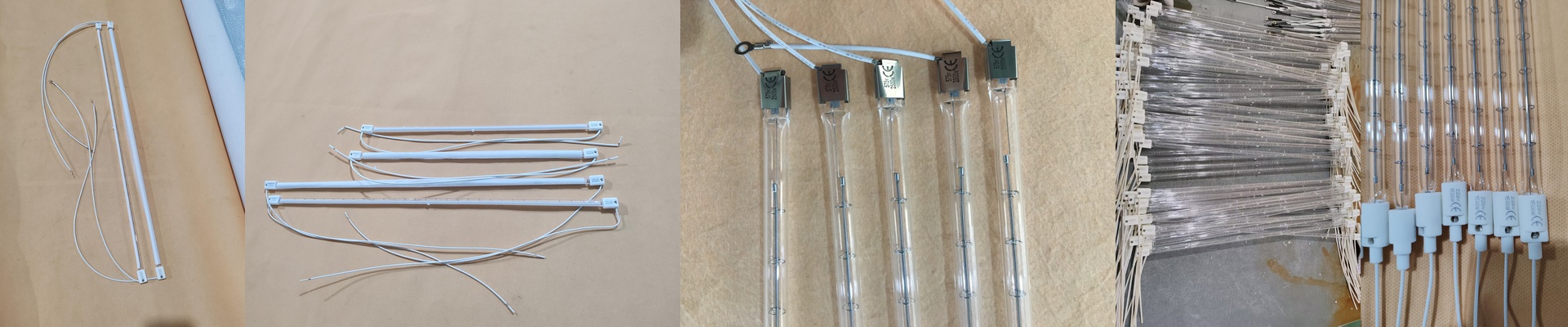
We built the 610mm 400V 2000W halogen heat lamp for the real world—for machines that can’t wait, and for engineers who need heat that just shows up and does the job. It’s a direct-fit heating element, designed to drop straight into demanding industrial setups. Think of it as the no-drama option for processes that need heat fast, and then need it to stay steady. If you’re wiring into a high-voltage system and you want something tough that doesn’t fuss, this is exactly that.
The Nitty-Gritty (Without the Jargon)
The 610mm length gives you a lot of radiant surface, so the heat spreads evenly where you need it. Then there’s the 2000W power—this thing throws serious heat density, the kind that can keep up with heavy-duty work. And that 400V rating? Not an accident. In industrial settings, it means lower current compared to a 230V unit of the same power. Less current means less voltage drop over long cable runs, and you can use smaller conductors. In practice, that’s simpler wiring and fewer headaches—plus, you save on material costs right there on the shop floor.
What It’s Made Of (And Why It Matters)
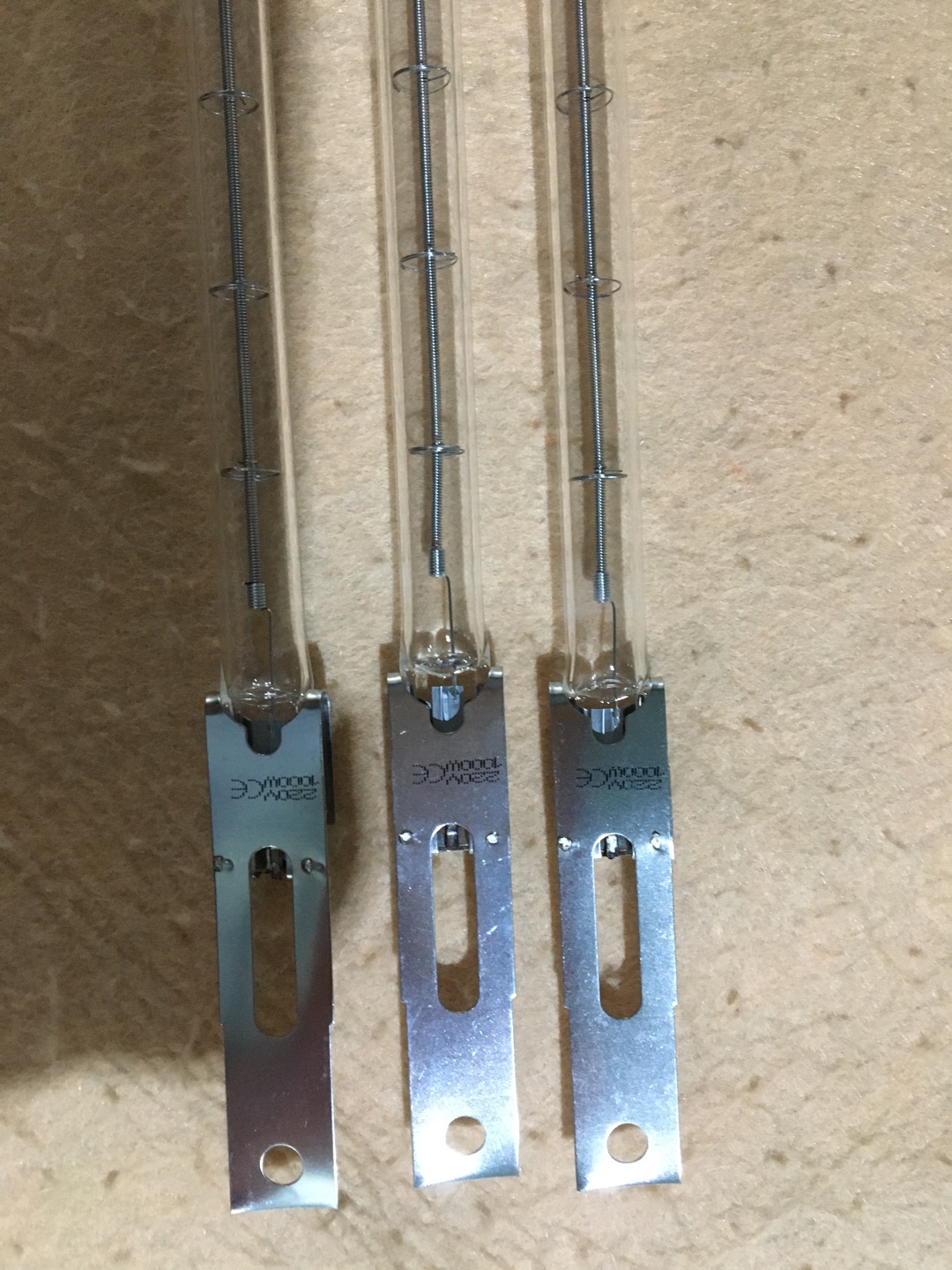
Inside, you’ve got a high-purity quartz envelope, chosen because it can handle sudden, intense heat without cracking under pressure. The halogen cycle keeps the filament clean, so the lamp lasts longer and the output stays consistent—no dimming over time. It also delivers shortwave infrared heat, which gets straight to work penetrating materials and heating from the inside out. And the R7s base? It’s a standard industrial connector that’s built tough. That means installation is straightforward: swap it in, wire it up, and move on. No redesigning fixtures.
Where It Shines (And What To Keep In Mind)
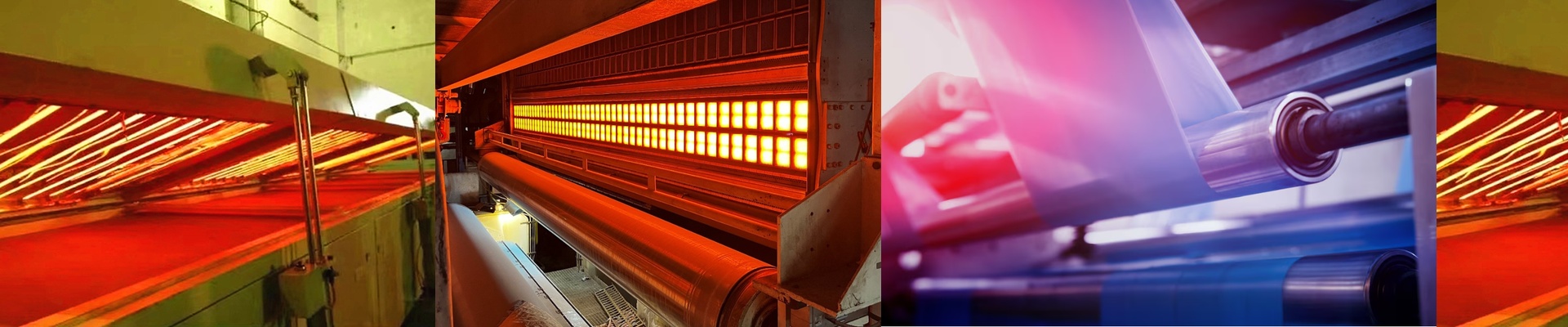
This setup is right at home in jobs like PET blowing, plastic welding, and drying. Because the heat is concentrated, you get faster cycle times—so your throughput climbs without extra fluff. The 400V design also makes it easy to run multiple units on a balanced three-phase load, so you’re not stressing your electrical infrastructure. One thing to watch: with heat this intense, cooling matters. Make sure your machine’s cooling system is properly sized for the temperature rise. That keeps everything stable and helps you avoid early wear on components.