Introduction
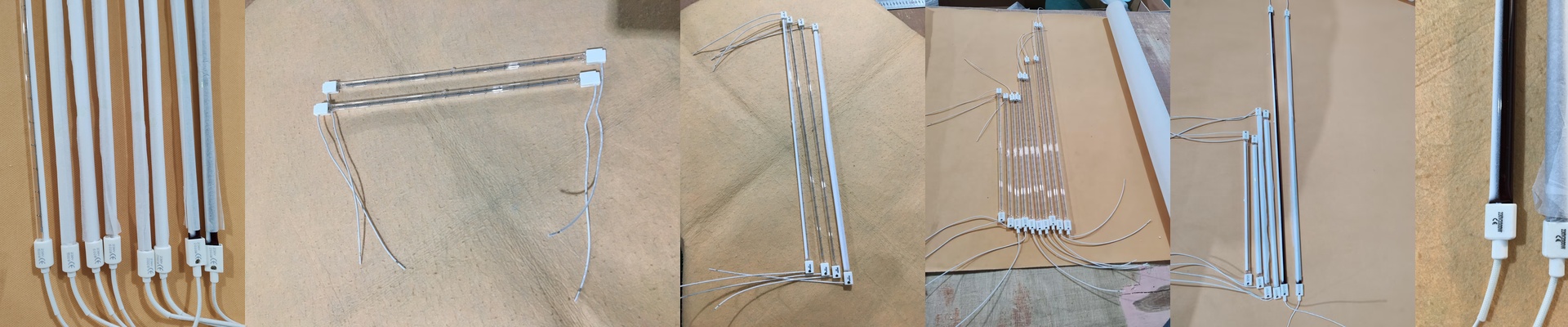
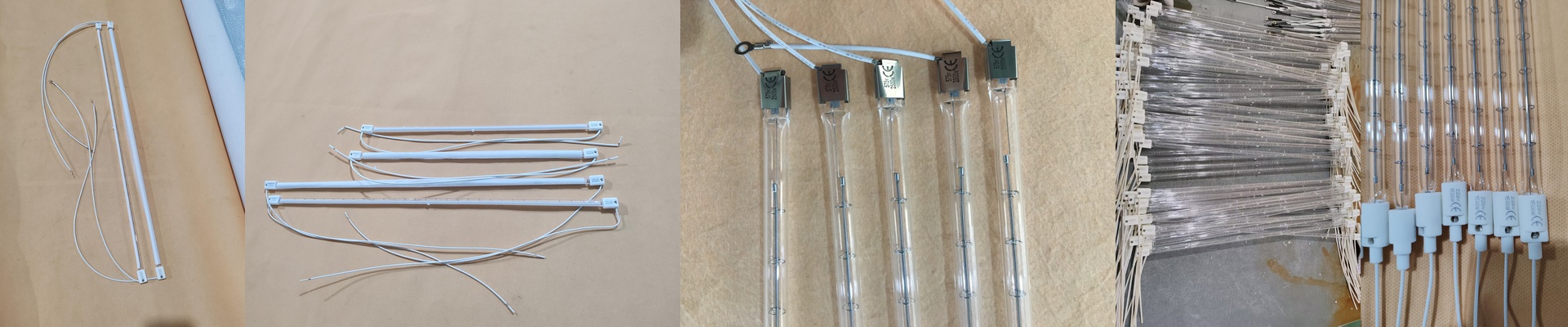
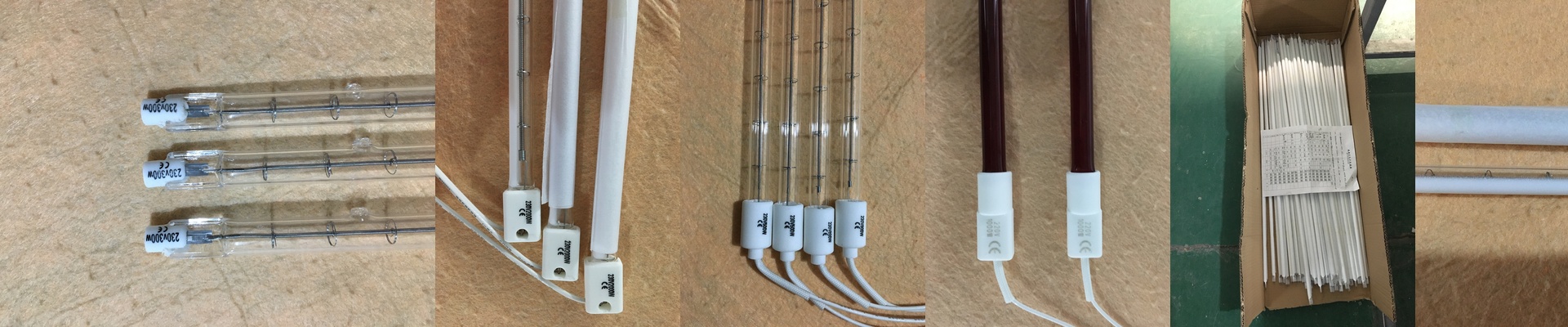
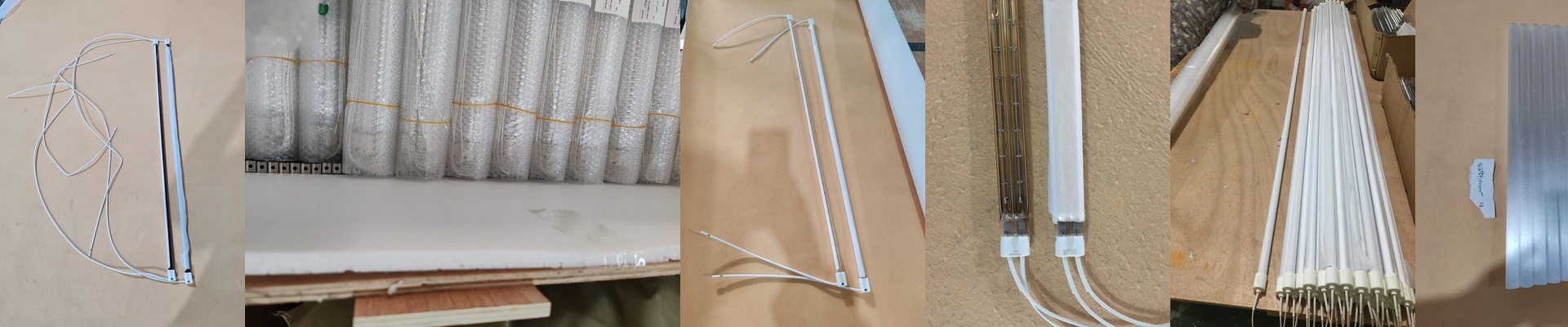
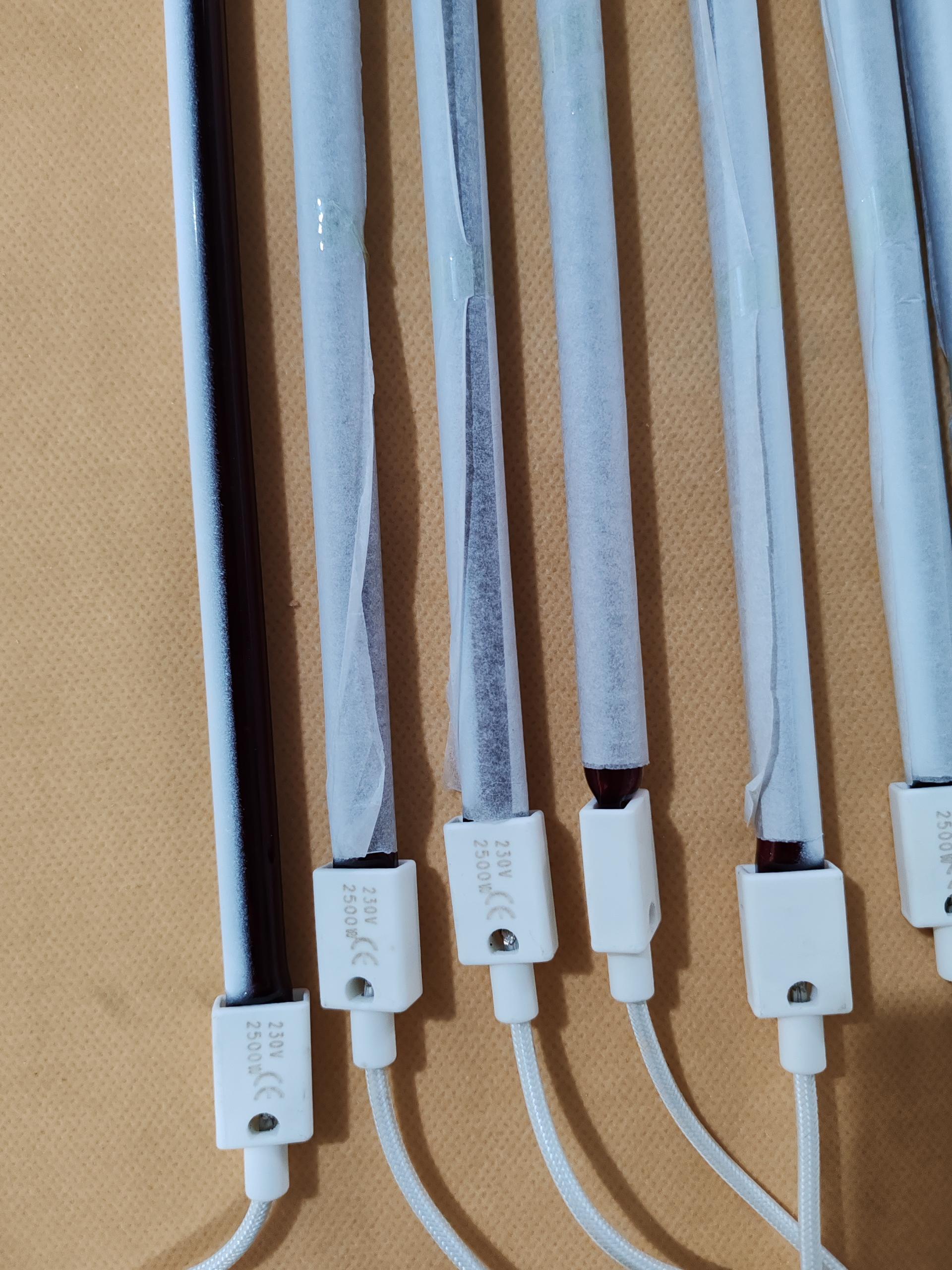
We built this twin-tube halogen IR emitter for the jobs that need serious heat—right now—in a space that’s tight. It’s a direct-fit, 400V, 3000W heat source made for industrial processes where you need high heat density and a quick response. Think machines that demand fast, stable heat more than gentle, low-temp warmth.
Power, Voltage, and Geometry—Plain Talk
At 3000W in a twin-tube package, you’re getting a lot of heat per inch. Running on 400V lowers the current compared to lower-voltage options, which helps keep wiring and connections from getting overloaded. That’s a real relief when you’re squeezing everything into a crowded machine bay and don’t want to over-spec your cables. The twin-tube setup is smart, too. You get two independent heating paths packed into one lamp body. That spreads the heat across a defined zone and makes mounting and alignment easier. With this kind of power density, warm-up is fast, and when your control signals say “go,” the heat responds immediately. Just keep this in mind: 3000W throws heat fast. Make sure your enclosure ventilation and nearby components can handle the temperature rise.
Materials and Design—What Makes It Hold Up
Inside, it’s a halogen cycle housed in a quartz envelope. That keeps the filament stable even at high temperatures and helps the output stay consistent over time—especially when you cycle the lamp on and off a lot. Quartz handles thermal shock way better than glass when you run the unit hard. We chose an R7s connector because it locks the twin-tube pins in place cleanly and handles the current and heat that come with a 3000W halogen load. The whole design is meant to drop right into compatible fixtures, so swapping lamps doesn’t turn into a re-engineering project.
Where It Shines—And What It Feels Like to Use
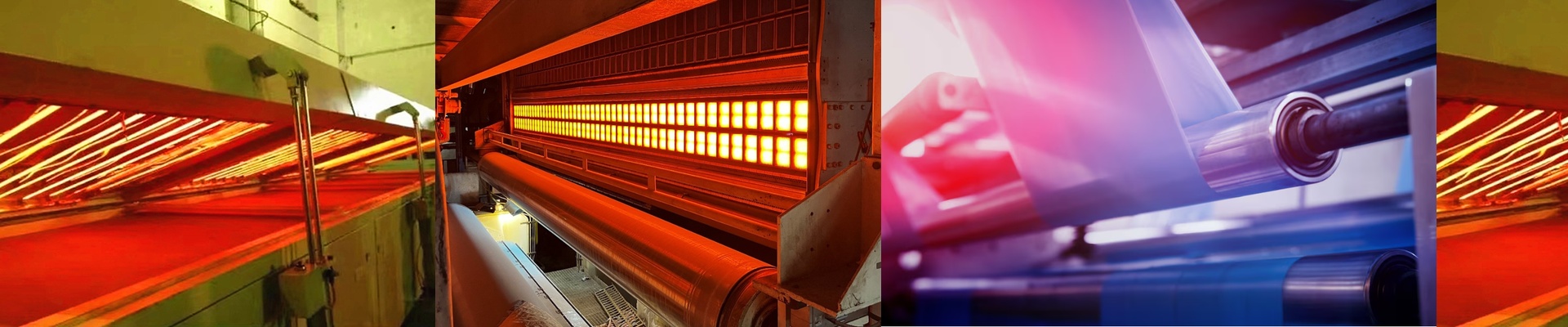
This configuration is for moments when you need focused infrared heat, fast. Plastic heating, adhesive activation, coating curing—these are the line processes it was born for. The 400V/3000W combo delivers strong heat density without forcing excess current through the fixture. What you get day to day is predictable output, quick response, and a small footprint. Plan for proper cooling and match the socket right, and this lamp will take the daily on/off cycling you throw at it—without fuss.