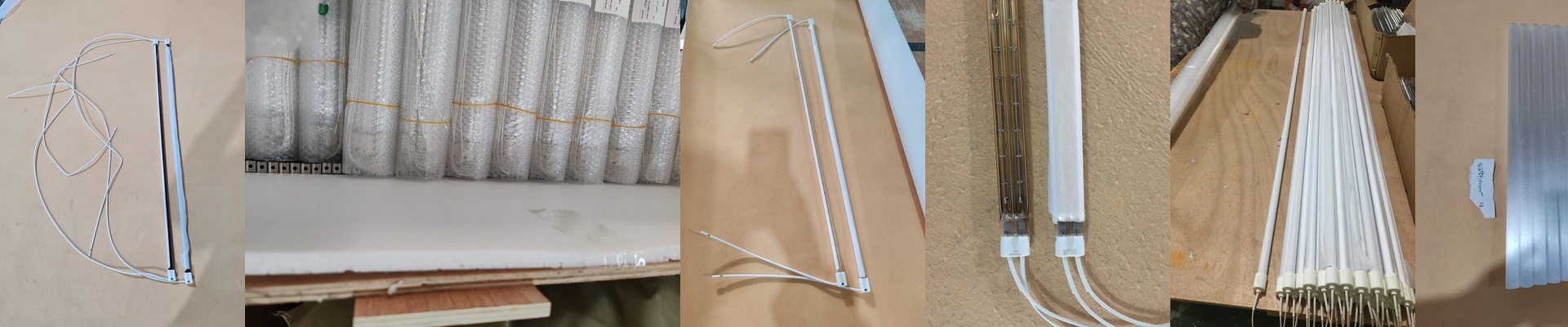
Why Your IR Reflector Actually Matters
When you’re curing or drying textiles, most people obsess over the lamp. But here’s the thing: the lamp is only half the battle. The real magic happens with the reflector. It’s what decides if your energy actually hits the fabric or just disappears into the machine frame. We spend our time obsessing over the “optical path” because that’s how you turn raw electricity into heat that actually does the job.
Getting the light to go where you want
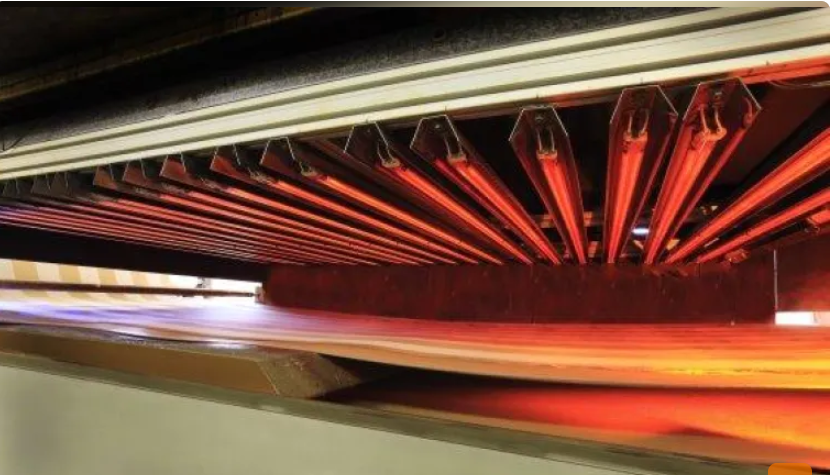
Think about it. A standard quartz lamp throws heat in every single direction—a full 360 degrees. If you don’t have a reflector, you’re basically throwing half your money away immediately. That’s why we use parabolic or elliptical shapes to catch those stray photons and push them back toward the material. By tweaking the curve and the focal length, we can either blast a tight, intense beam or spread the heat out across a wide web of fabric. A tight focus gets you to your target temperature fast. Really fast. But you have to be careful. If you go too tight, you’ll end up with hot spots that scorch your fabric. And nobody wants to scrap a whole roll of material because of a few burnt patches.
Gold, Aluminum, and the “Zebra” Problem
Now, let’s talk materials. We usually stick with high-purity aluminum or gold-coated surfaces. Gold is the king of reflectivity for IR—it bounces back over 95% of the energy. But for most textile lines, aluminum is the way to go. It’s the reliable workhorse that gives you the best bang for your buck. The finish is just as important as the metal. A polished, mirror-like finish is great for precision. But if you’re seeing “zebra stripes” on your fabric, you probably need a matte or embossed finish. That diffuses the heat and makes everything smooth and even.
The trade-off (there’s always one)
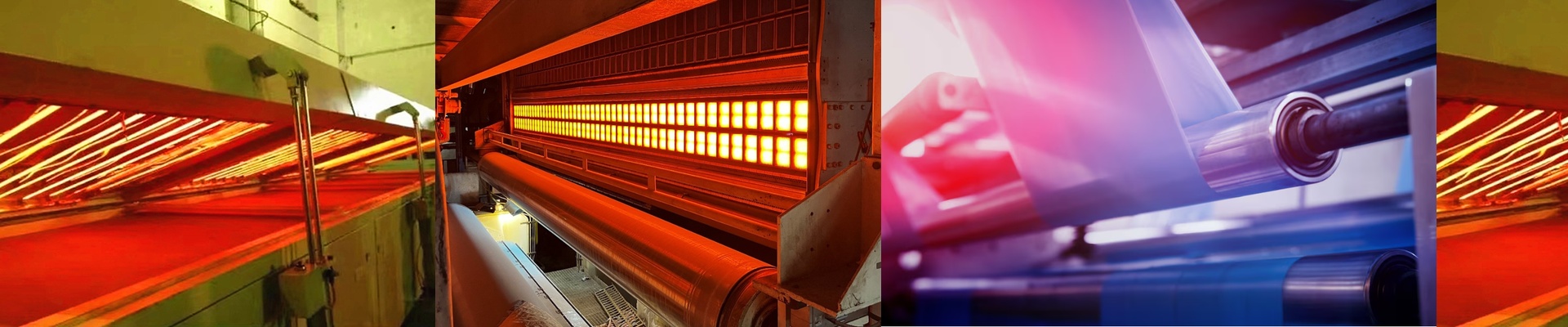
If you crank up the energy density, you can make your oven smaller. That’s a huge win because you get more throughput without taking up more floor space. But there’s a catch: thermal stress. When you concentrate all that energy, the lamp tube runs much hotter. If your cooling blowers aren’t up to the task, you’re asking for trouble. You’ll end up with cracked quartz or burnt-out connectors, and then your production line stops. It’s all a balancing act. You want the heat, but you’ve got to keep the hardware cool enough to survive the process.