
Stop Guessing Why Your Fabric is Cold
Most textile heating systems are basically flying blind. You have no clue a lamp has burned out or a circuit has quit until you see those dreaded cold spots on the fabric coming off the line. By then, the damage is done. We’re done with that. The goal now is to give these systems a voice—so they can tell you exactly what’s breaking before you ruin a batch of product.
Making the Hardware “Talk”
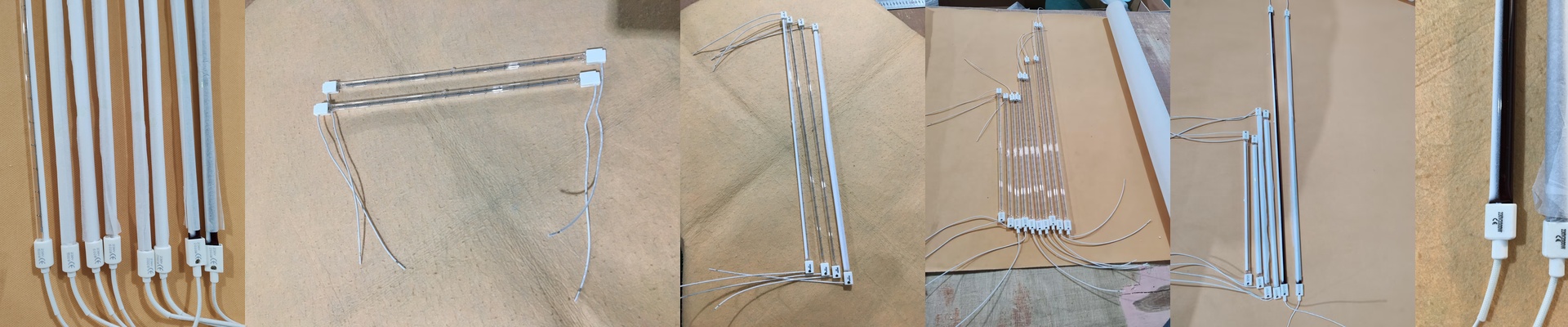
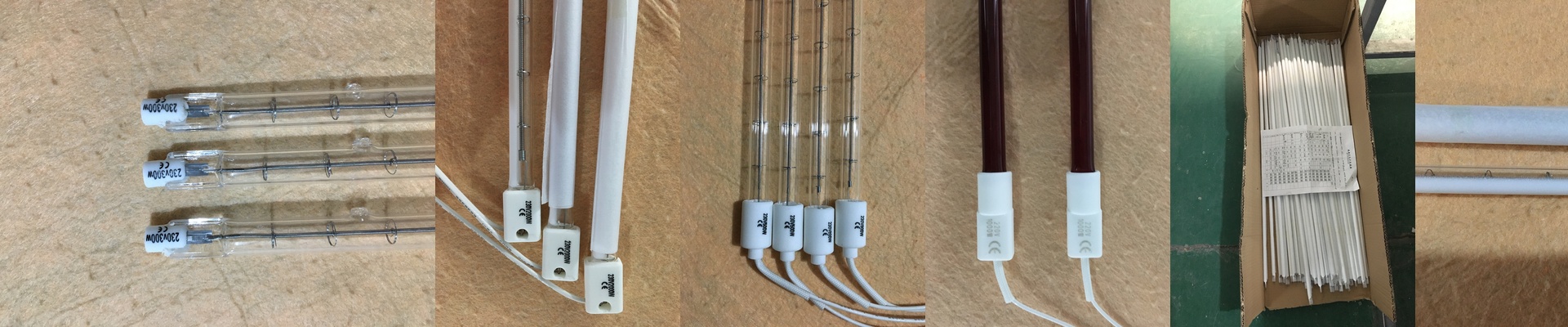
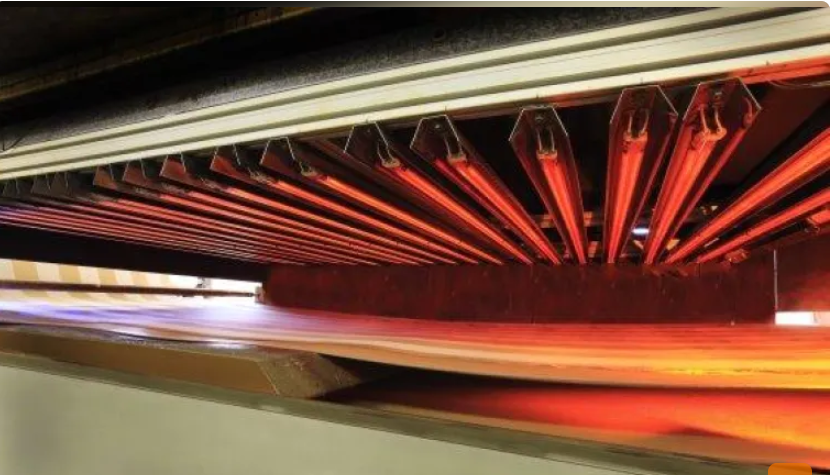
Usually, textile lamps just pump out heat and hope for the best. To fix that, we’re putting current-sensing resistors and thermocouples right into the lamp housing. Here’s how it works: the system keeps an eye on the impedance of every single heating element. If a filament snaps or the voltage drops, the controller catches it instantly. It flags the exact zone that’s acting up, so you aren’t wandering around the floor guessing which bulb is dead.
The Trade-off (Because Nothing is Free)
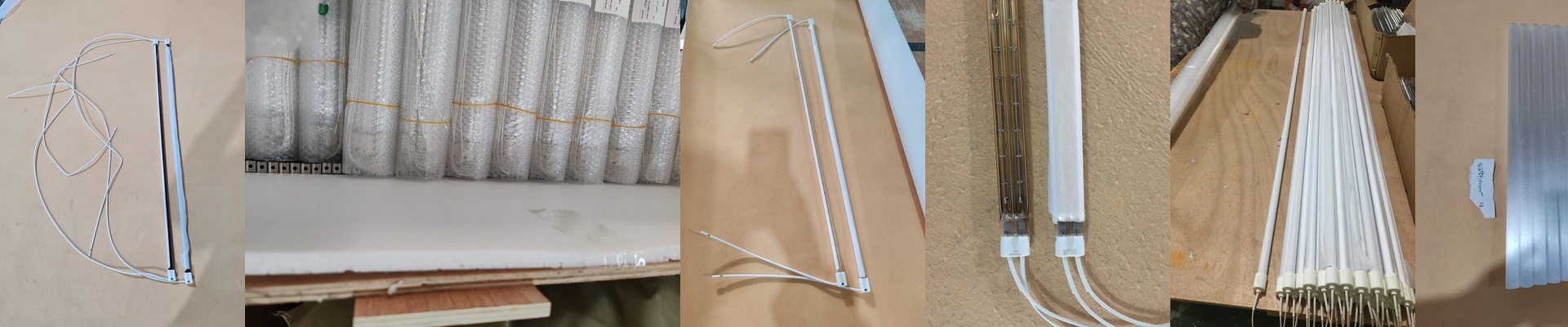
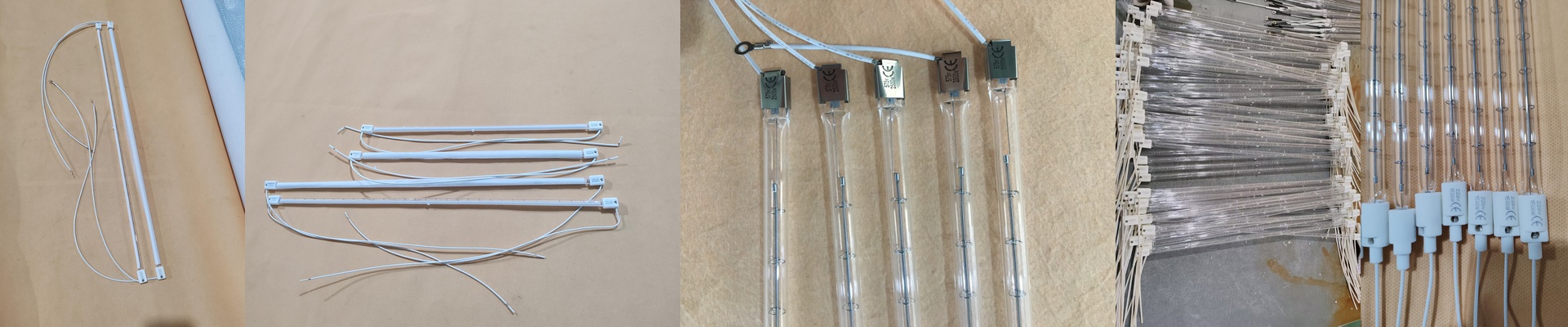
Now, adding sensors means more wires. You can’t just jam these into a standard socket; you need a controller that actually knows how to read those analog signals. And yeah, more wires can mean more things that might break. To handle that, we use high-temp fluoropolymer cabling. It’s tough stuff. It can take the heat and the beating of a textile mill without flaking out.
What This Actually Means for Your Day
For the engineers, this is a huge relief. No more walking the line with a handheld IR gun every shift, trying to map heat by hand. Instead, you get a digital map of your whole array. A lamp goes out? You get an alert. You swap the part, hit reset, and keep the line moving. It turns a chaotic “where is the problem?” scramble into a simple part replacement. You stop chasing electrical ghosts and actually get some uptime.