Why Most IR Lamps Fail in Textile Shops (And How We Fixed Ours)
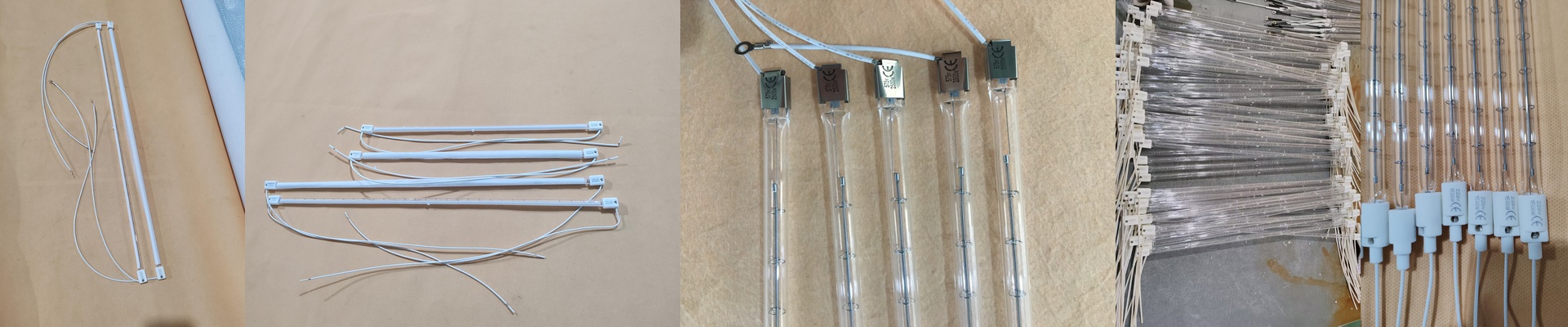
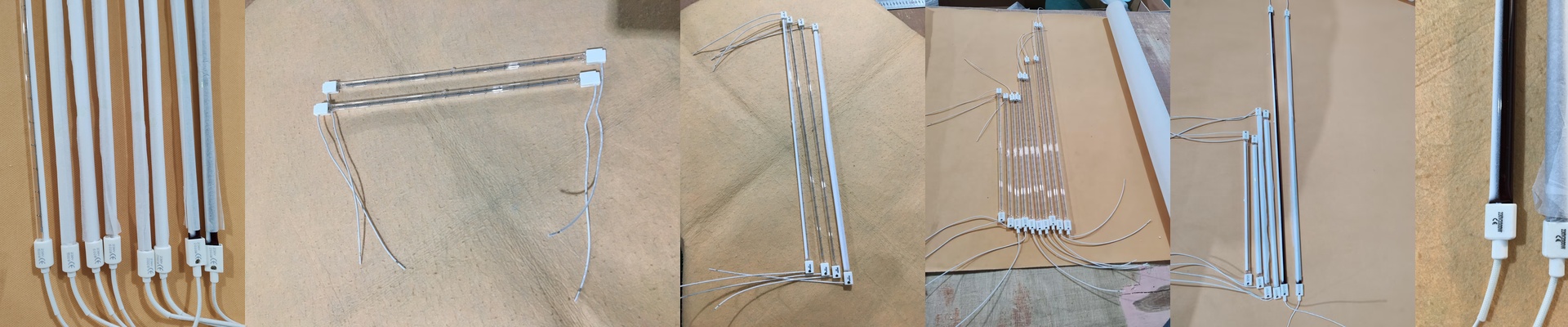
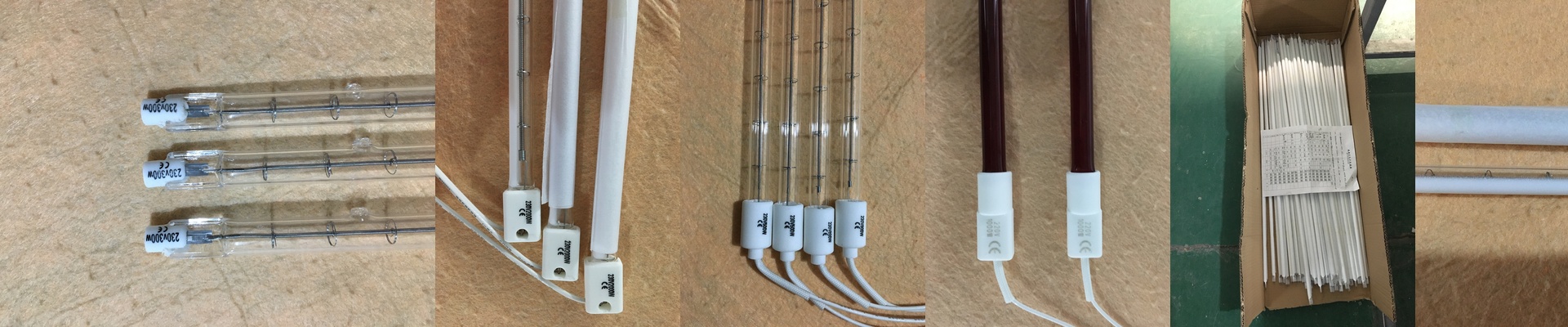
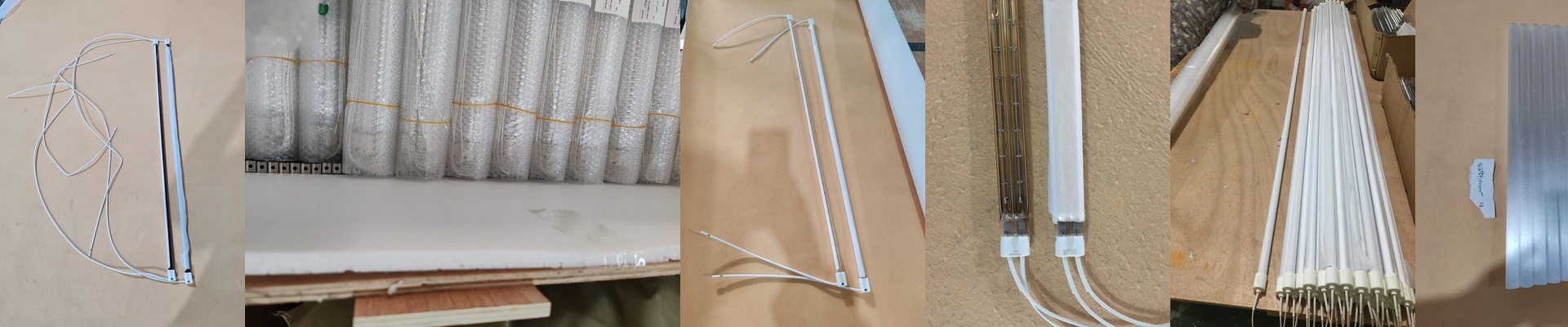
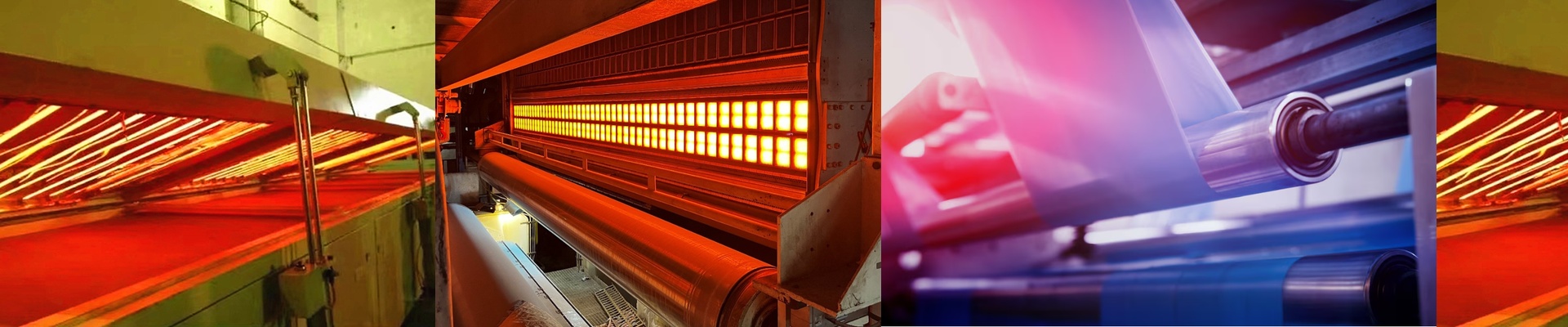
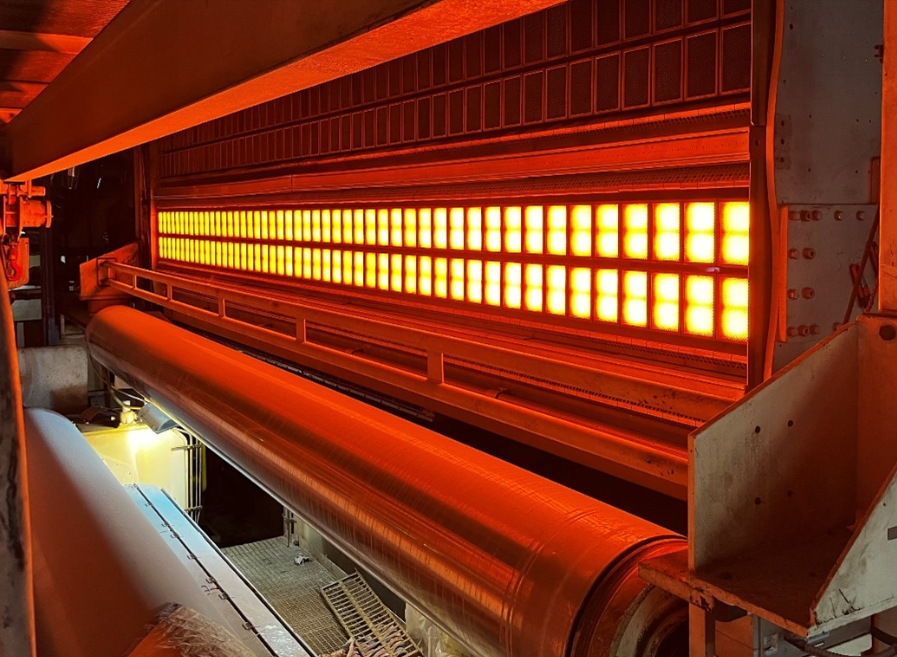
We spent some time visiting about 2,000 dyeing and printing workshops. We didn’t go to sell things; we went to see where the equipment actually breaks. It turns out, most “standard” lamps are built for a clean lab, not a real shop floor. They aren’t ready for the thick humidity or the chemical fumes that just hang in the air. So, we stopped looking at the spec sheets and started building our lamps based on what we actually saw happening on the ground. The struggle with heat When you’re curing fabric, it’s a balancing act. You need enough heat to set the dye, but not so much that you scorch the material. We spent a lot of time obsessing over the ratio of wattage to tube length. Now, you could just cram a ton of wattage into a short-wave lamp to save space, but that puts a massive amount of stress on the quartz. If you push it too hard, the ends just burn out. We’ve tuned the voltage and wattage so the heat hits the fabric evenly across the whole width. No hot spots, no ruined rolls. Stuff that actually lasts We use heavy-wall quartz because shop floors are brutal. Things get bumped, chemicals spray, and the environment is just harsh. Then there’s the connector problem. We’ve seen too many shops struggle with weird, proprietary plugs. It’s a nightmare. That’s why we stick to standardized R7s or SK15 bases. They’re simple drop-in replacements. Think about it: if a lamp pops at 3 AM during a rush job, you don’t want to be hunting for a custom adapter. You just want a part that fits and gets the line moving again. The real-world trade-offs High-intensity lamps are great for fast production lines because they ramp up quickly. But there’s a catch. All that power creates a huge thermal load on the machine frame. If you’re running a high-density array, you have to get your reflectors right. We recommend polished aluminum or gold-coating to bounce that heat straight down into the fabric. If you don’t, you’re basically just paying to heat your ceiling. And please, don’t skimp on ventilation. If the housings can’t breathe, they’ll overheat, and you’re right back to square one.