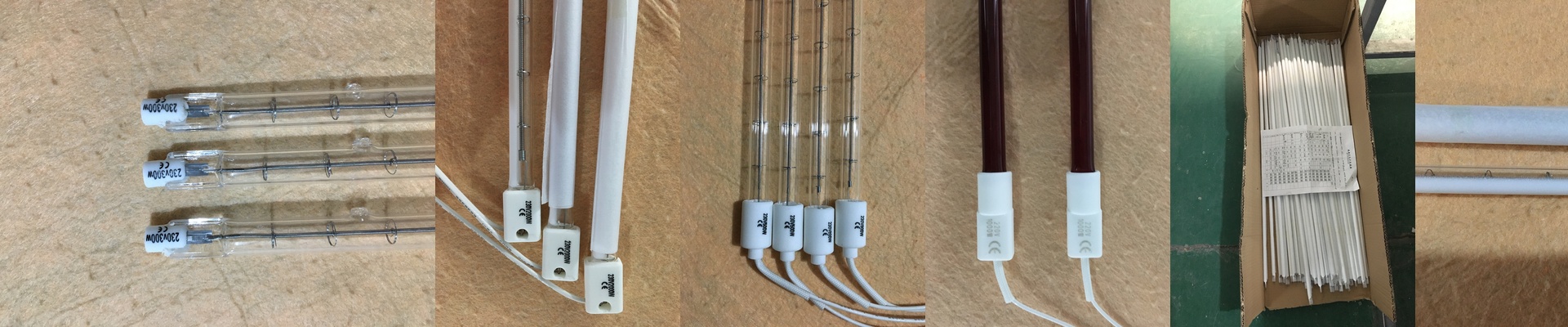
Picking the Right Industrial IR Lamps for High-Heat Jobs
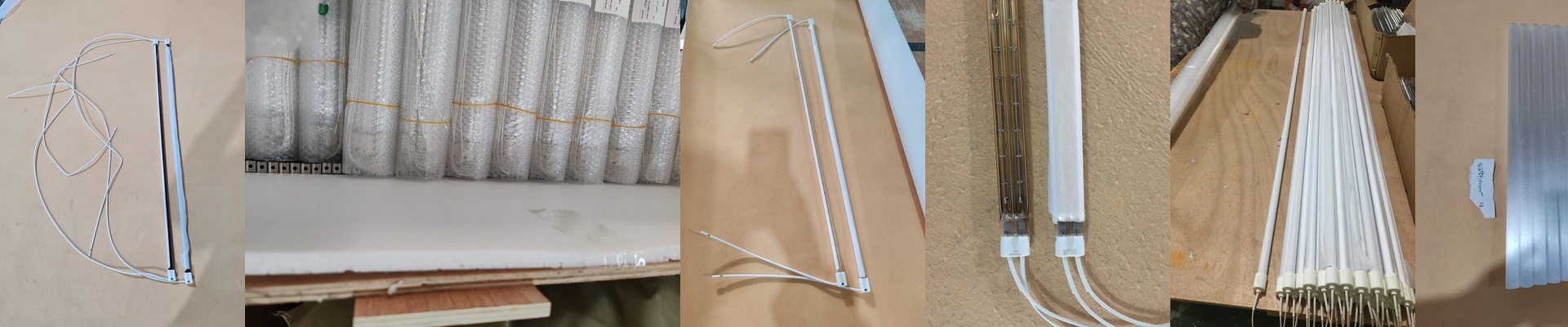
When you’re picking out a heating lamp for your line, the difference between a cheap generic tube and a precision tool comes down to two things: how evenly it heats and how long it actually lasts. We build our lamps to hit the same numbers as the big global brands. Why? Because we know that even a tiny dip in wattage can mess up your entire curing or drying cycle.
The Heat and the Power
Here’s the thing about the physics: it’s all about how voltage and wattage play with the length of the quartz tube. When you cram a lot of wattage into a short space, you get massive heat density. It’s great for fast ramp-up times. You get the heat you need, right now. But there’s a catch. Running these at full blast puts a lot of stress on your power supply and the filament. If your cooling system isn’t up to the task, you’re just asking for a premature burnout.
Quartz and the “Fit”
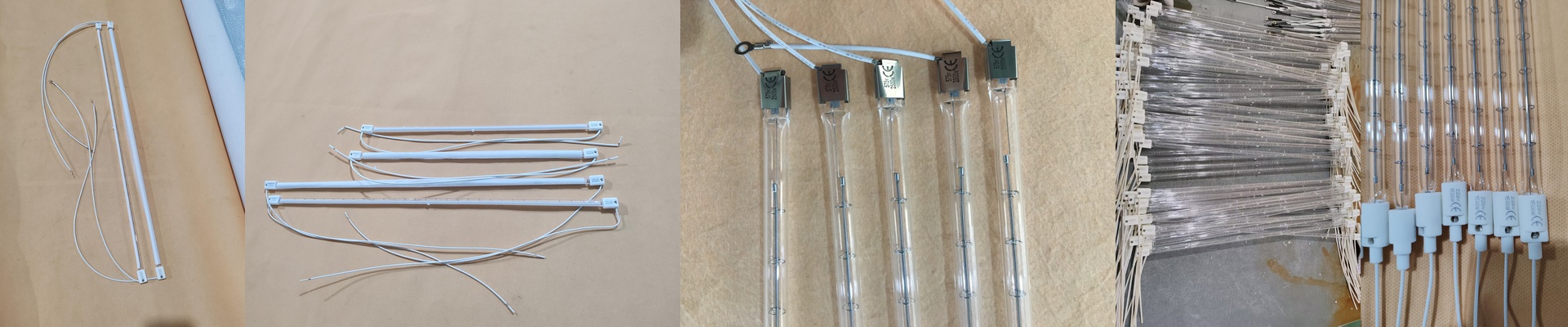
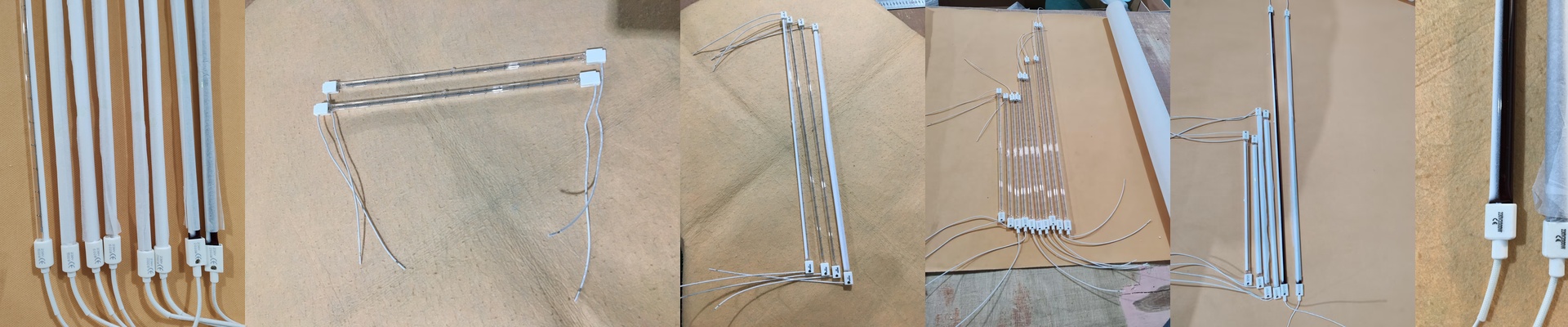
We use high-purity quartz so the tube doesn’t warp when things get scorching. But let’s talk about the connection points—the R7s or SK15 bases. That’s where most lamps fail. A loose fit causes arcing, and that’s a headache nobody wants. We machine our ends to tight tolerances. They just drop right in. No fiddling with fixtures, no guesswork.
How They Handle the Floor
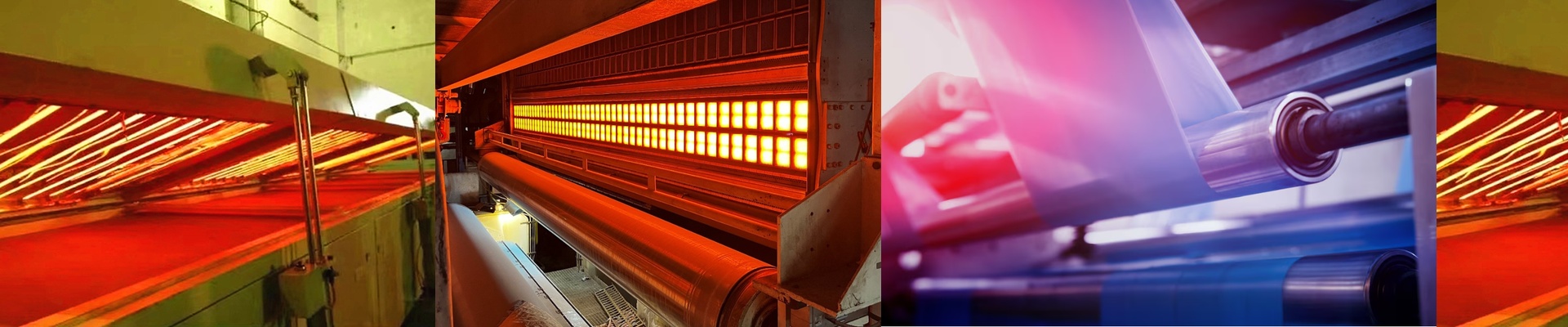
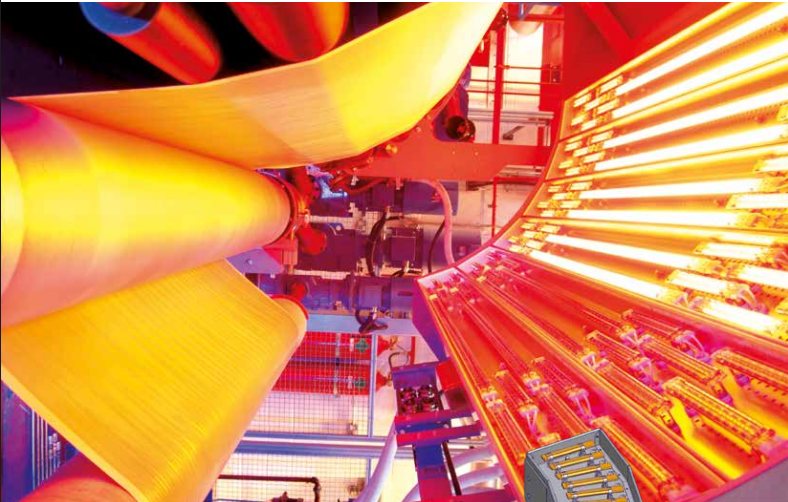
These lamps are built to take a beating in a loud, dirty factory. We lean heavily on the halogen cycle to keep the filament clean. This stops the glass from getting that dark, cloudy look over time, which means the infrared heat keeps flowing steadily. We’re confident in the output. If our tubes don’t hit the same thermal benchmarks as the expensive names you’re using now, we’ll refund the difference. We’ll let the thermometer prove it.