Getting Heat Right in Textile Processing
Most people think heating is just about cranking up the dial. But if you’re moving fabric at high speeds, it’s actually a balancing act. If your temperature jumps by even five degrees, you’re in trouble. You either scorch the fibers—which ruins the batch—or you’re just throwing money away on electricity you didn’t need. That’s why we obsess over the “delta,” or the tiny gaps in temperature across the fabric.
The actual physics of it
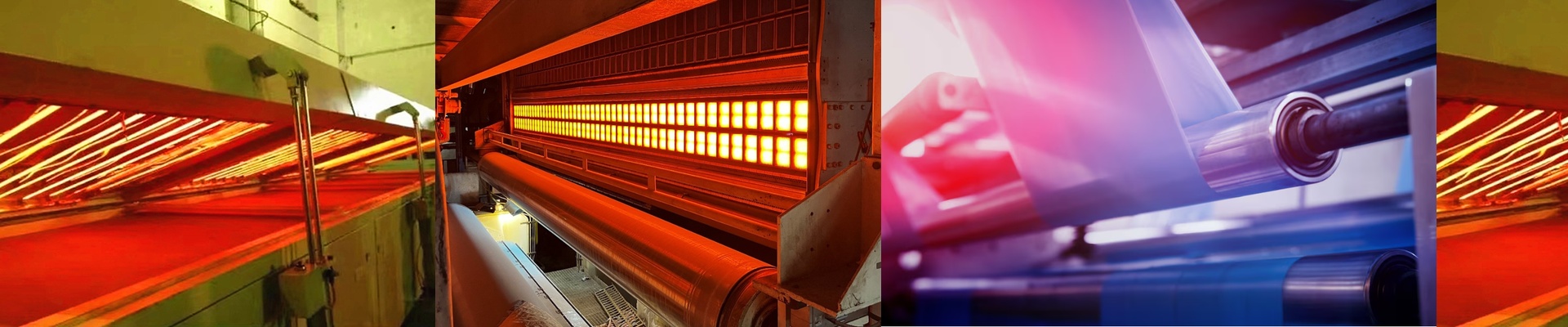
It really comes down to two things: how much heat you’re pushing and how long the fabric stays under it. On a fast line, you need heat that hits its peak the second the fabric arrives. We spend a lot of time tweaking the wattage-to-length ratios. Why? Because if the heat isn’t spread perfectly across the web, you get streaks. Streaks mean scrap. And honestly, the best way to be “sustainable” in a factory isn’t some fancy corporate initiative—it’s simply stoping the waste of raw materials.
Dealing with the wear and tear
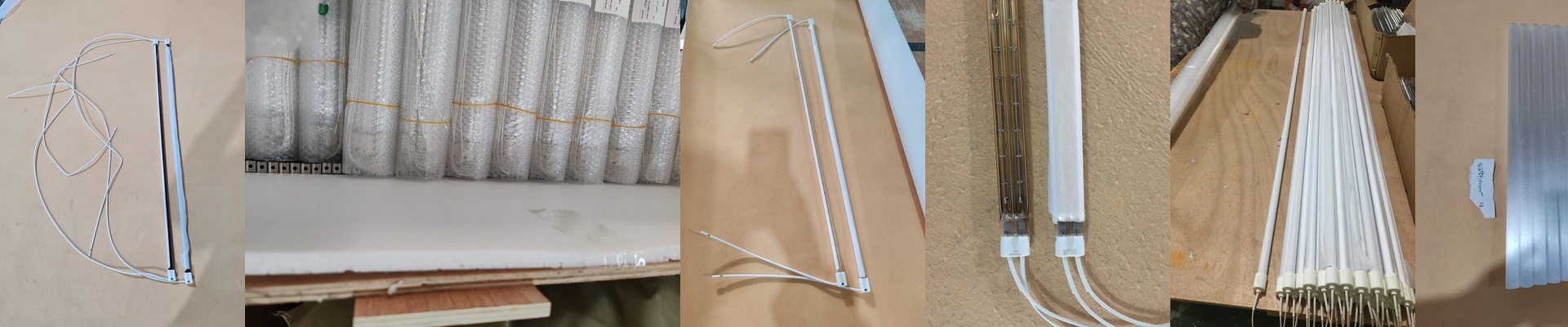
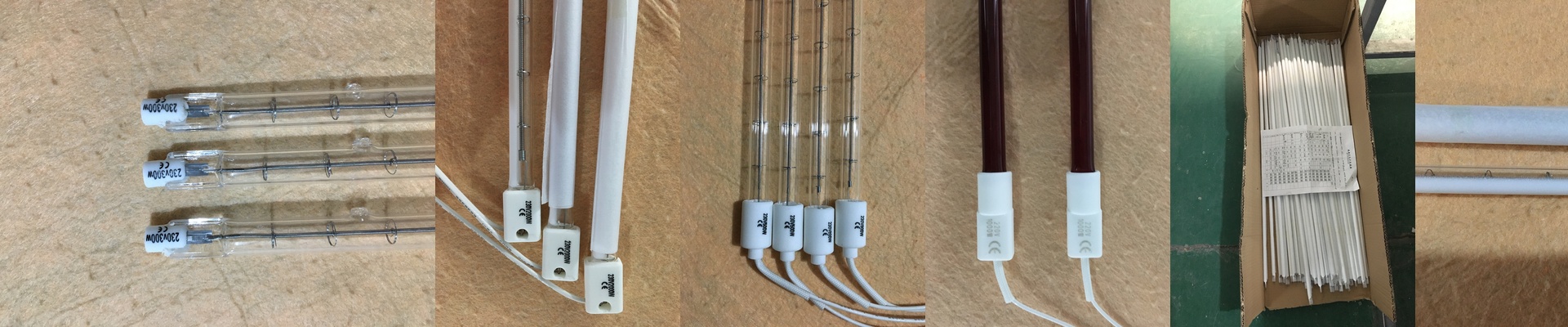
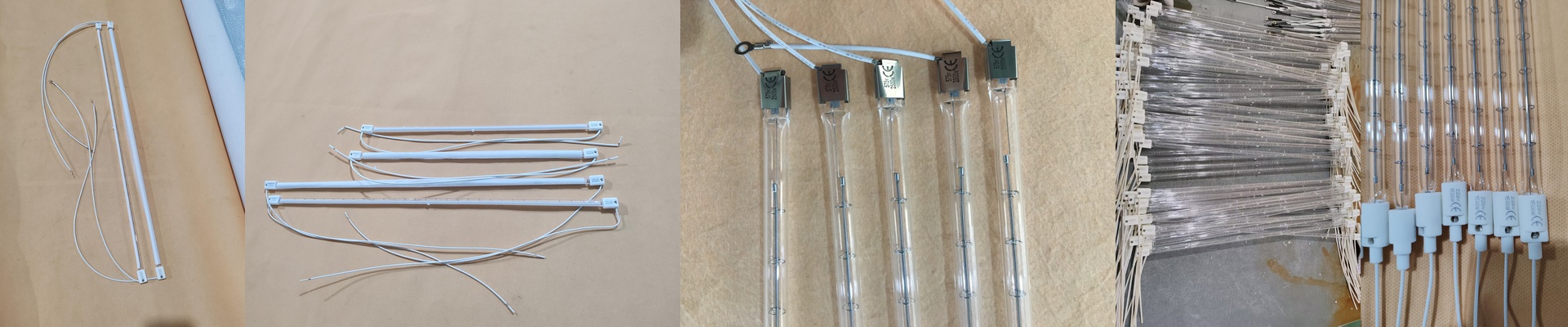
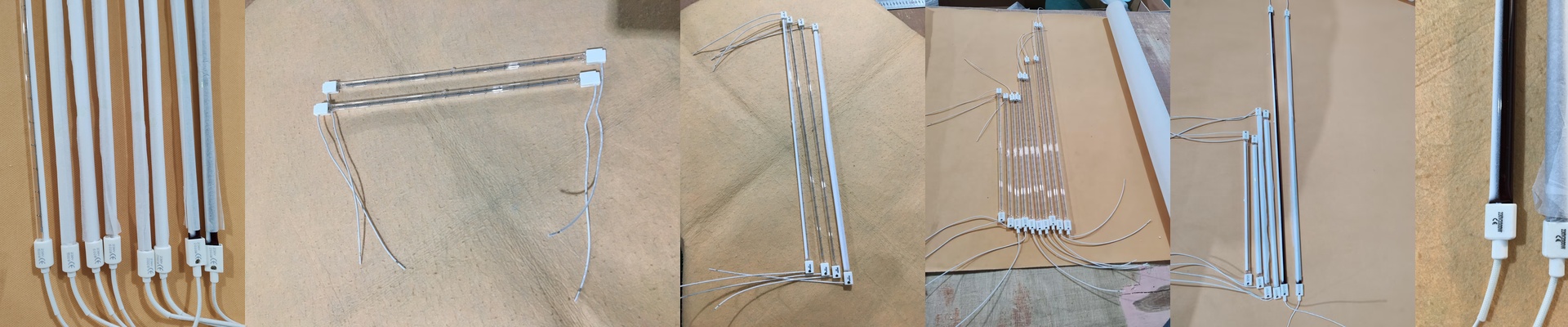
Equipment takes a beating. We build our heating elements to fight off oxidation and burnout, even when they’re running 24/7. There’s always a trade-off here: if you push for higher heat density to speed up production, you put a lot more stress on the lamp filaments. To fix that, we calibrate the voltage carefully. It keeps the elements from running too hot, which means you aren’t swapping them out every few weeks. It just lasts longer.
Real sustainability
You hear a lot of talk about “green materials” in the textile world. That’s great, but for us, sustainability is about the energy bill and the carbon footprint. When we tighten up that thermal profile, we use less power for every meter of fabric that rolls off the line. The best part? You don’t have to rip out your whole factory to do it. These systems are designed to be drop-in replacements. You just wire them into your existing controllers and suddenly you have a much tighter window of control. You get a cleaner finished garment, lower emissions, and you don’t have to slow down your production to get there.