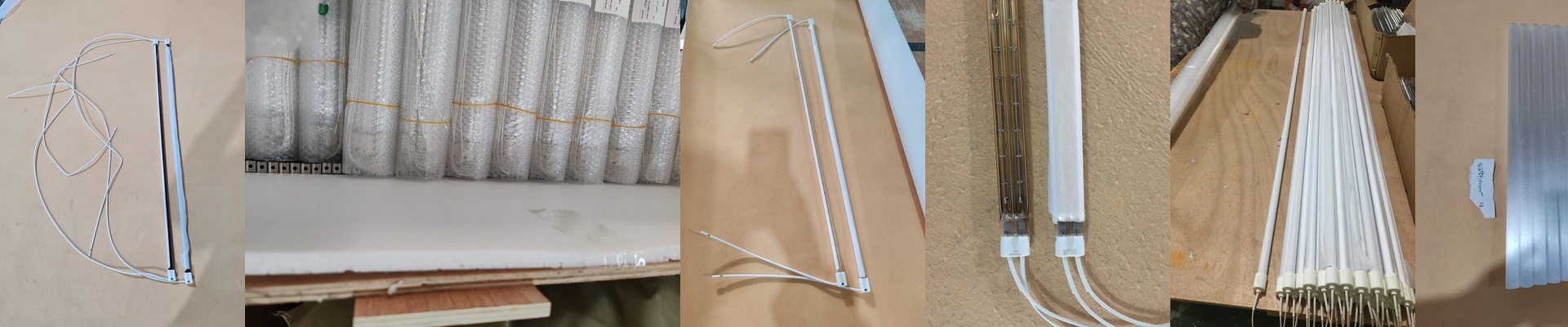
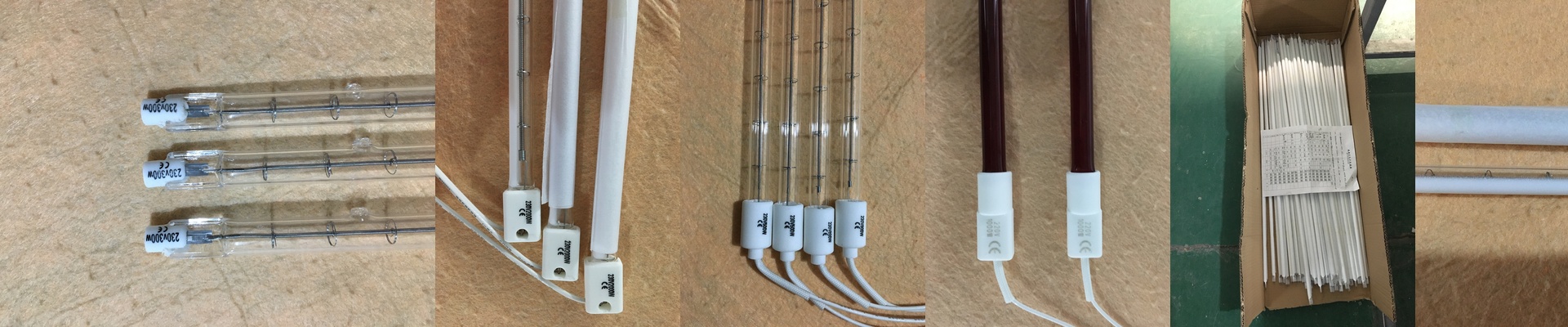
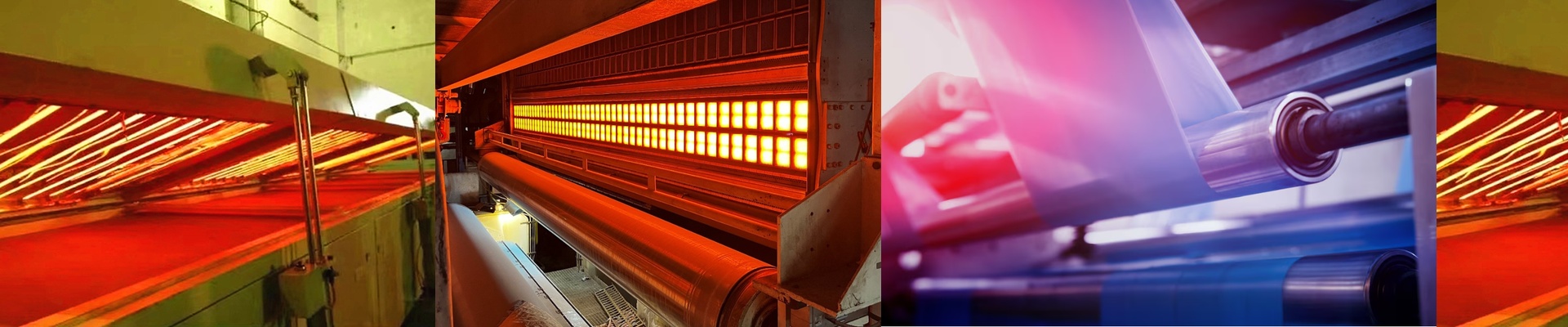
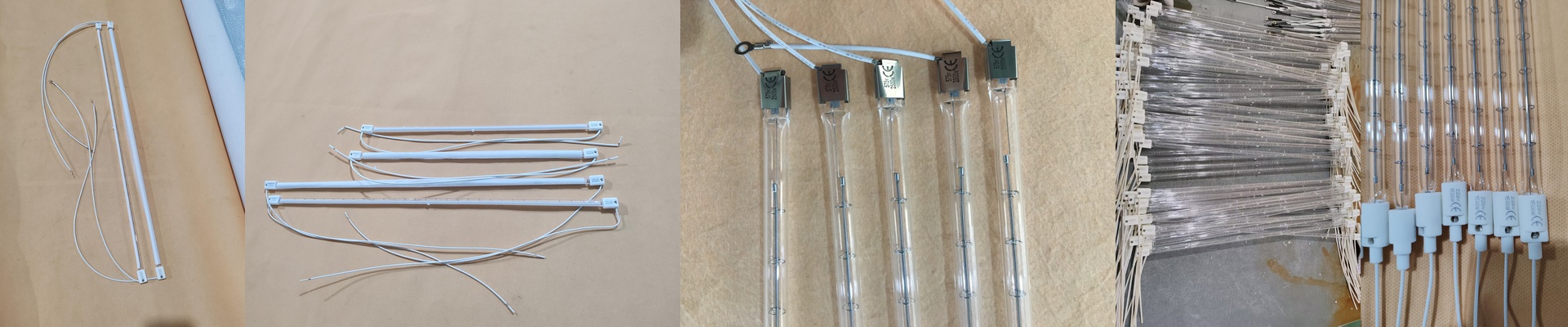
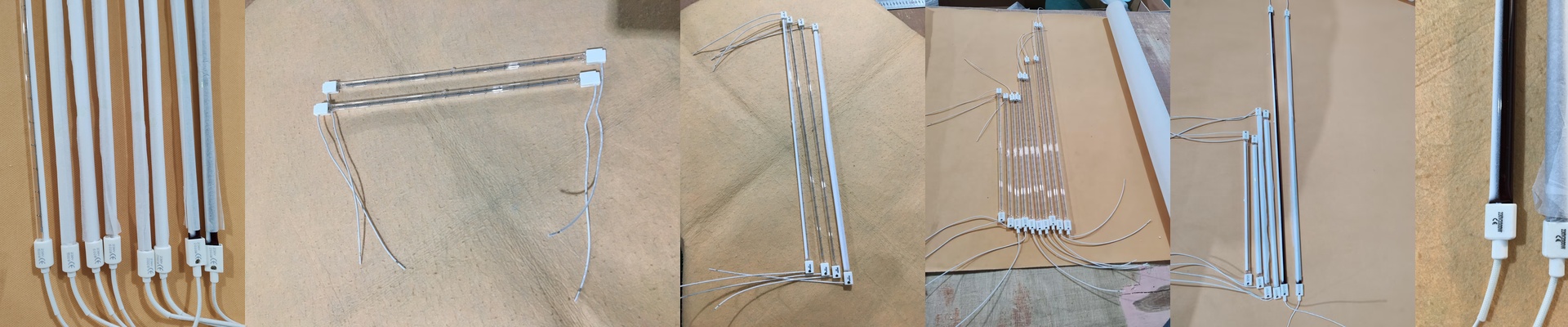
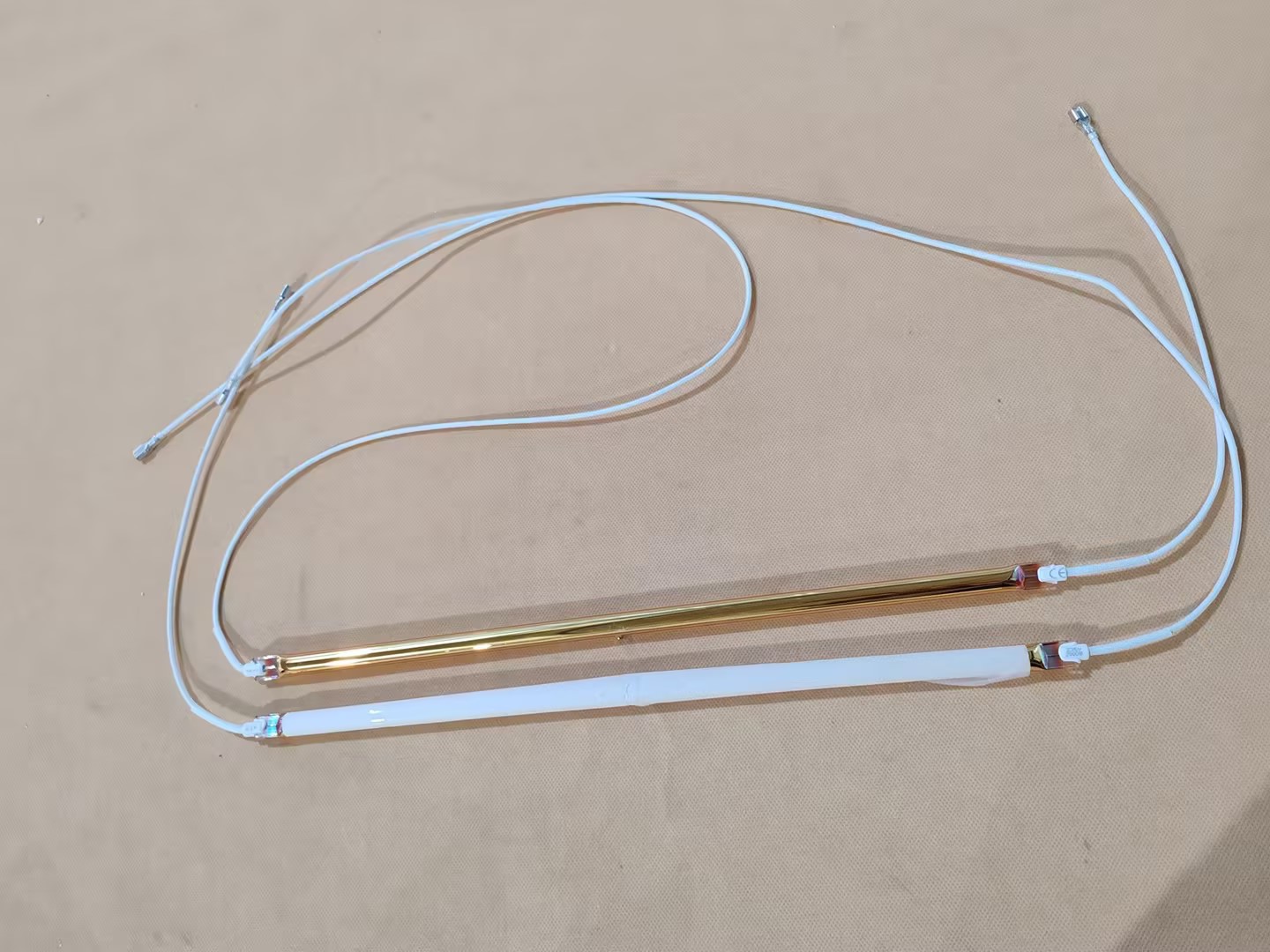
Let’s Talk About Halogen Infrared Quartz Lamps
If you’ve ever dealt with standard resistive heaters, you know they can be a bit sluggish. That’s why we go with halogen infrared quartz lamps. They’re built for raw, high-intensity heat. Inside the high-purity quartz tube, there’s a tungsten filament and a bit of halogen gas. Here’s the clever part: that gas actually scrubs the tungsten deposits and puts them back onto the filament. It stops the tube from turning black and keeps the lamp running way longer than a basic bulb would. Getting the Power Right We don’t believe in one-size-fits-all. We build these based on how much room you actually have in your machine. If you’re running a longer tube, we usually suggest a high-voltage setup—like 400V. It keeps the heat steady from one end to the other so you don’t get cold spots. And if you go with a 2500W tube? It hits temperature almost instantly. Just a heads-up: that much power creates a lot of heat inside your chassis. Make sure your cooling fans can actually handle the load, or you’re just baking your own electronics. The Nitty-Gritty on Materials We use quartz because it doesn’t warp when it gets hot and it lets shortwave IR pass right through. For some jobs, we add a special coating. This helps the heat soak deeper into materials like PET or HDPE instead of just hitting the surface. When it comes to plugging them in, we stick with R7s or Sk15 connectors. They’re standard, they’re easy to swap, and most importantly, they don’t wiggle loose when your machinery starts vibrating. Where This Actually Matters You’ll see these lamps doing the heavy lifting in PET bottle blowing, powder coating, or drying automotive paint. Because they don’t rely on moving air to transfer heat, the energy hits your target directly. It’s fast. Really fast. Pair them with a PID controller, and you can dial in your temperature zones exactly how you want them. One last thing—and this is a big one.Quartz is fragile. Tell your operators: no bare hands. The oils from your skin leave invisible marks that create hot spots. Those spots are what kill the tube early. Use a clean cloth, and these things will last.