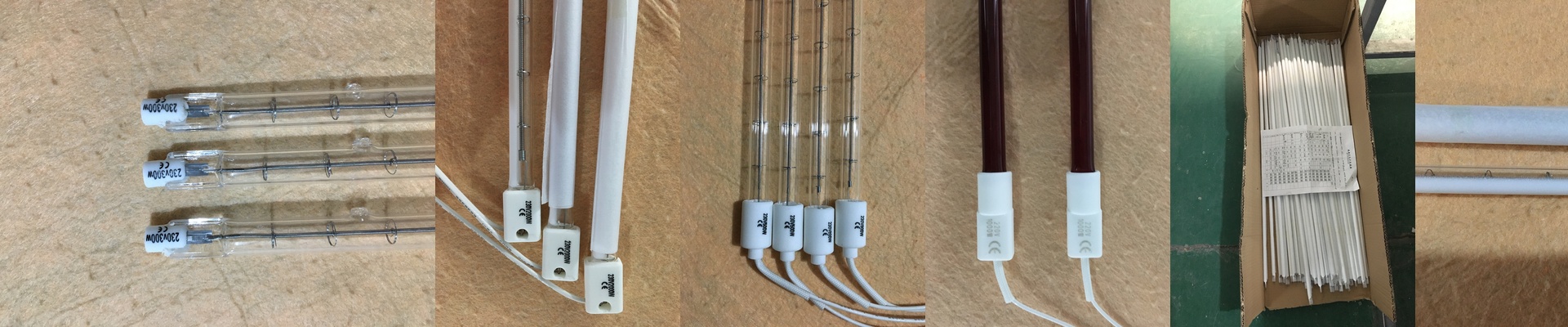
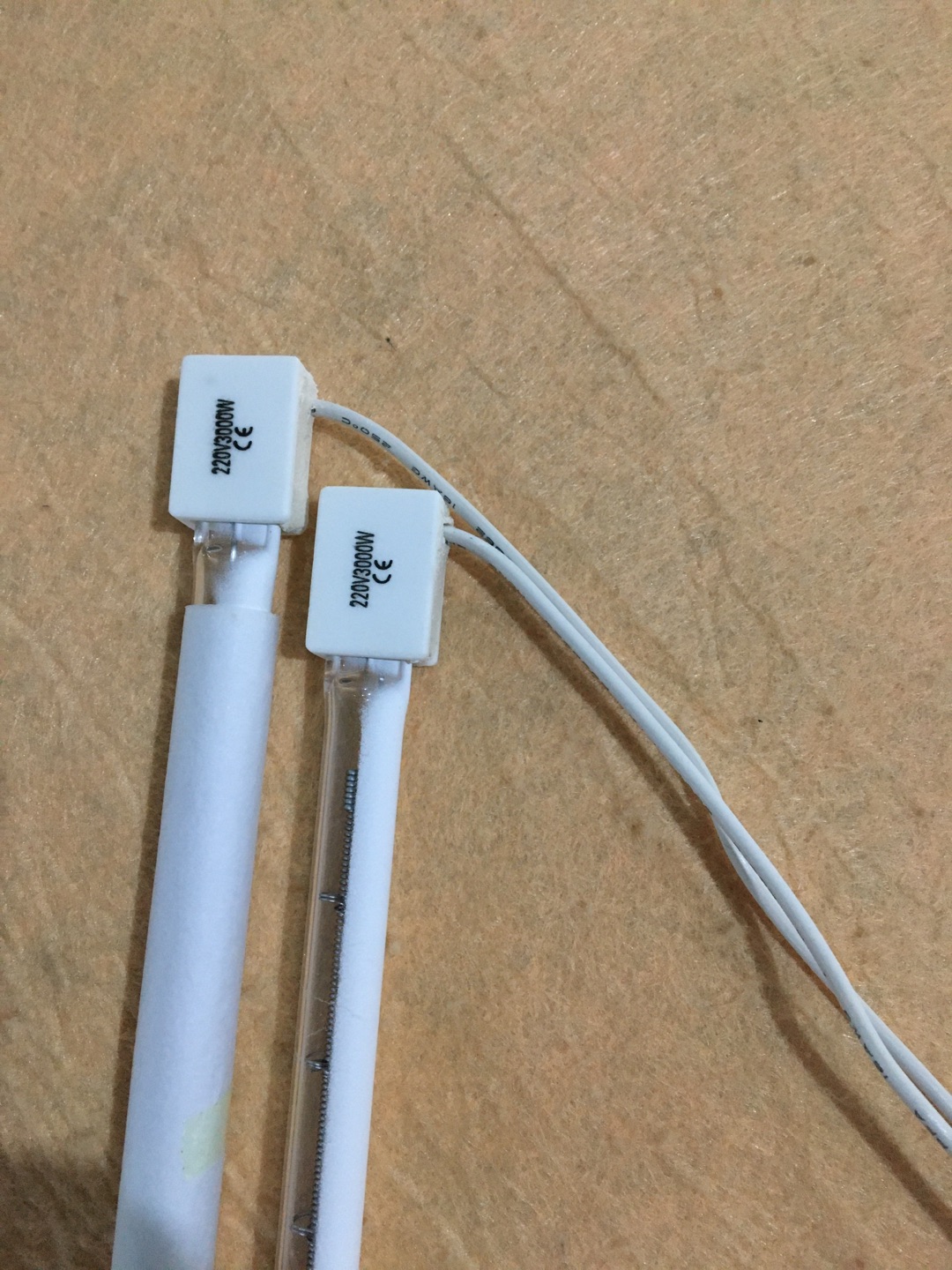
Let’s Talk Halogen Infrared Lamps
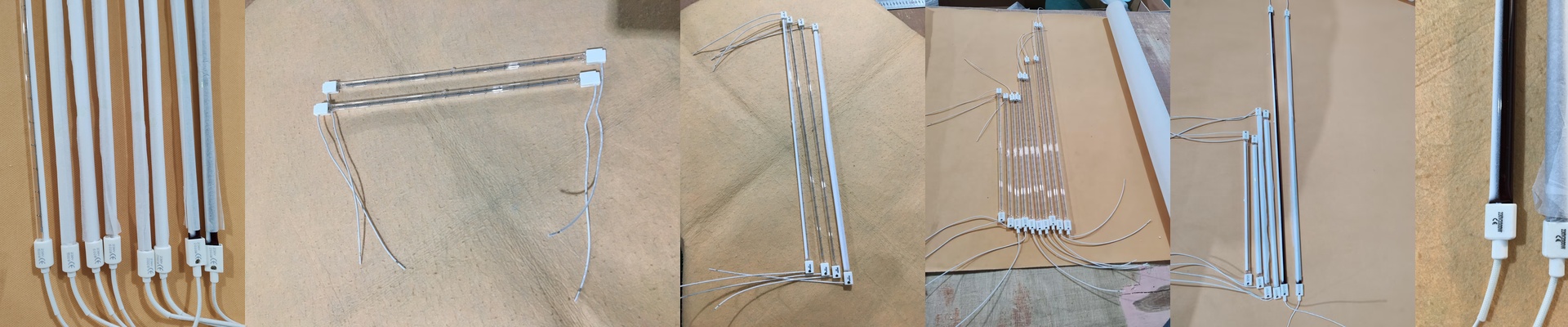
Ever wonder why some heating lamps just last longer than others? It usually comes down to that halogen gas inside the quartz tube. Here’s the deal: without that gas, the tungsten filament would just evaporate and gunk up the walls of the tube. The halogen cycle keeps everything clean, which means your lamp stays clear and you aren’t replacing them every other week.
Getting the Power Right
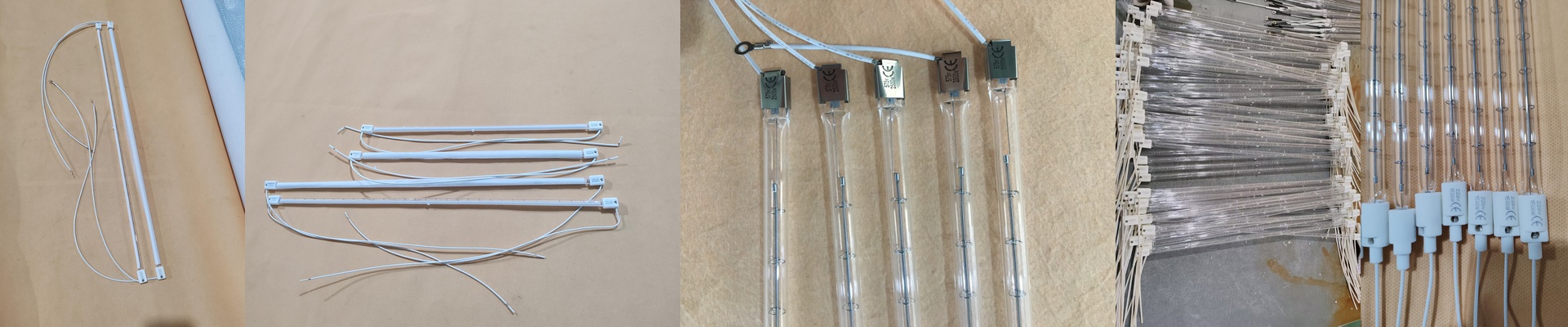
Depending on your setup, you’ll see a lot of different voltage and wattage options. If you need to blast a surface with heat fast, you’re looking at those heavy hitters—the 2000W to 3000W units. We usually stick with 230V or 400V to keep the current under control. But be careful here. If you plug a high-voltage tube into a system that can’t handle it, you’ll probably fry your controller. Just make sure your power supply matches the lamp exactly. It’s the only way to keep them from burning out way too early.
The Nitty-Gritty on Materials
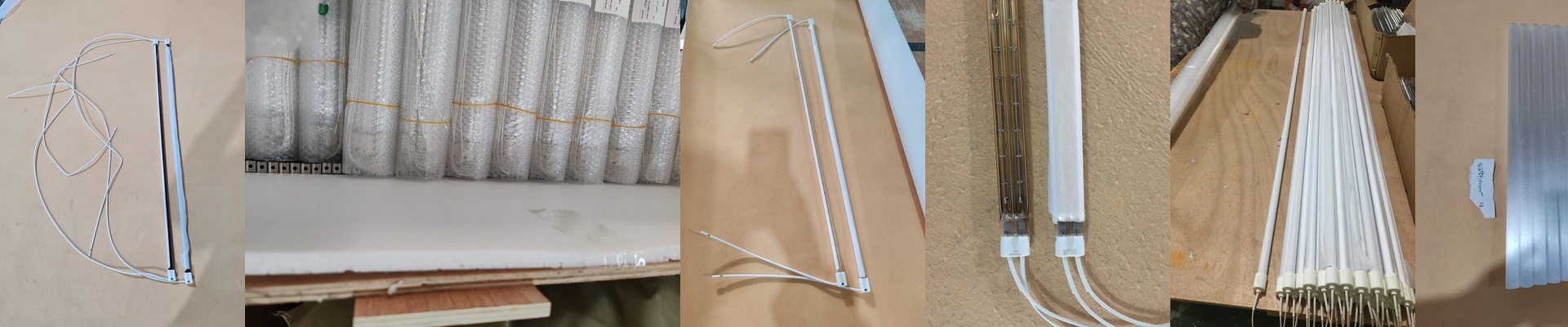
We use quartz glass because it lets the infrared heat slide right through without soaking it up. Sometimes we add a coating to tweak how the heat hits or just to give the tube some extra protection. For the plugs, we use R7s or SK15 bases. Why? Because they’re standard. You can just pop a new one in without having to tear apart your entire heating manifold. One quick tip:**Make sure those connections are tight.**A loose fit creates hot spots, and before you know it, you’re looking at a melted housing. Not a great look.
Real-World Use (and the Catch)
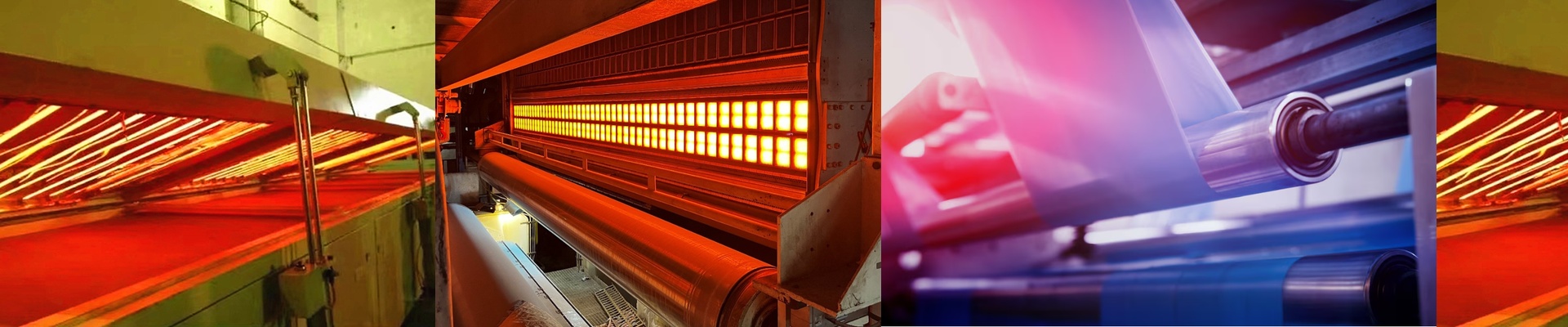
You’ll see these all over the place—blowing PET bottles or curing paint on cars. They’re incredibly fast. We’re talking seconds. But that speed is a double-edged sword. Shortwave heat digs deep and fast. If your conveyor belt is moving too slowly, you’re going to scorch your materials. You’ve got to dial in that speed perfectly. Plus, these things put off a lot of heat into the surrounding air, so make sure your cooling system can actually keep up with the oven.