Better Heat for Your Textile Mill (Without the Markup)
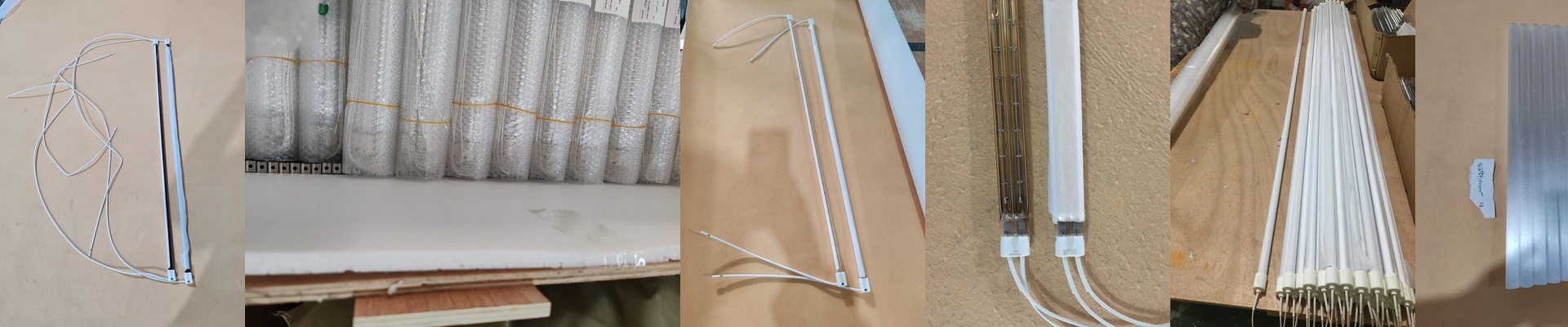
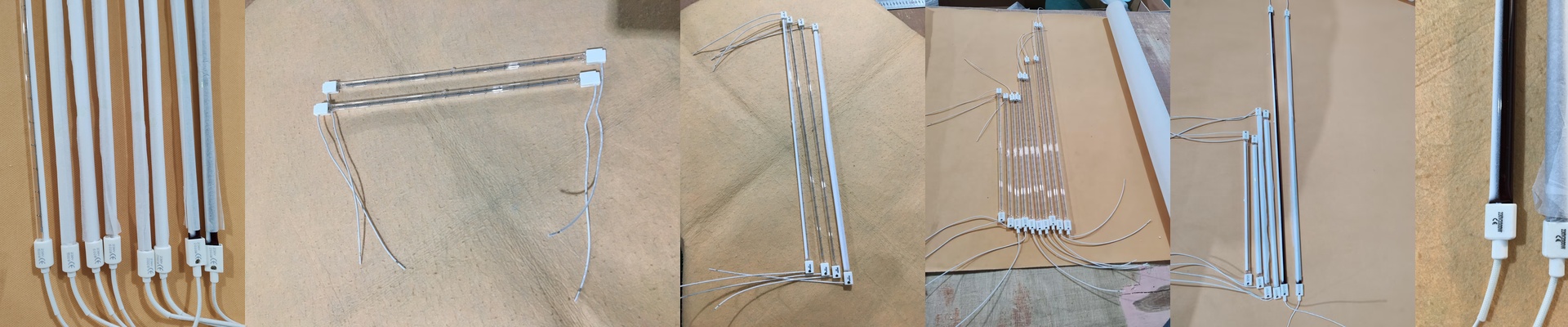
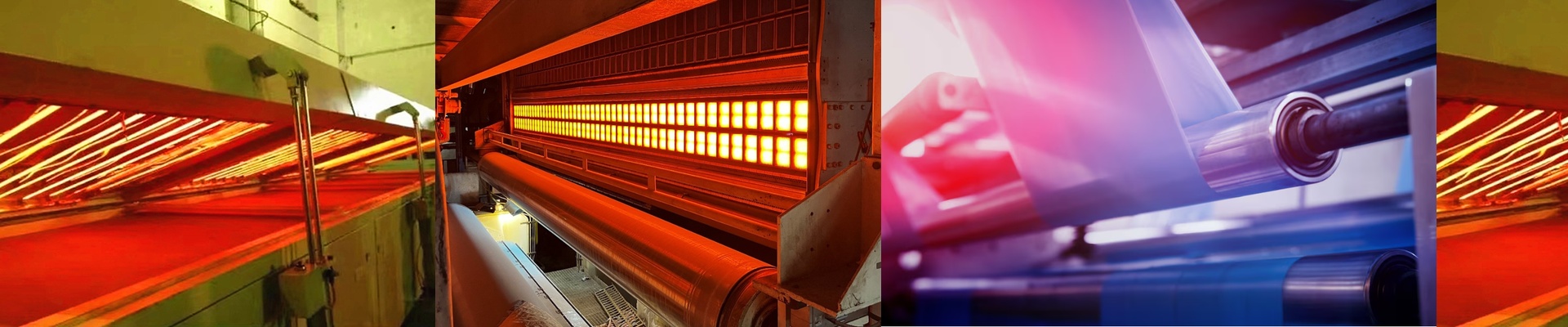
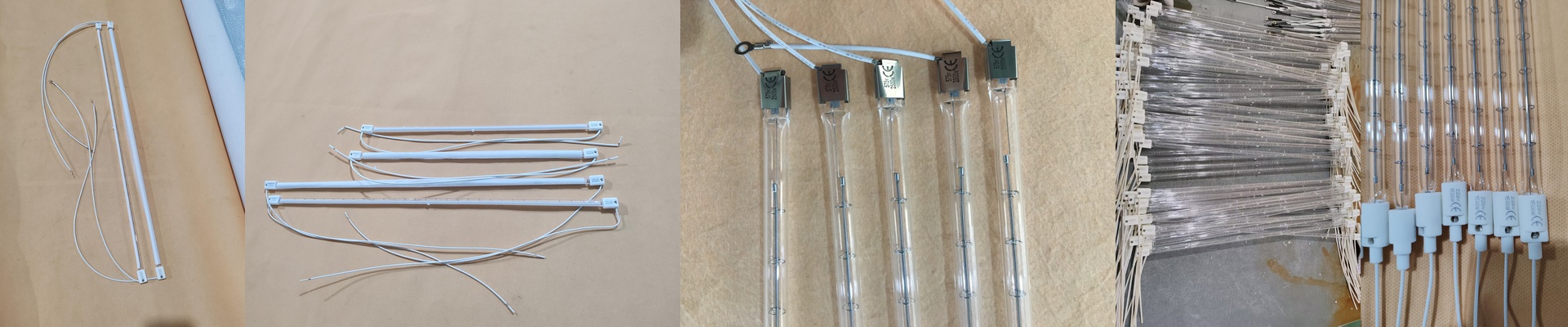
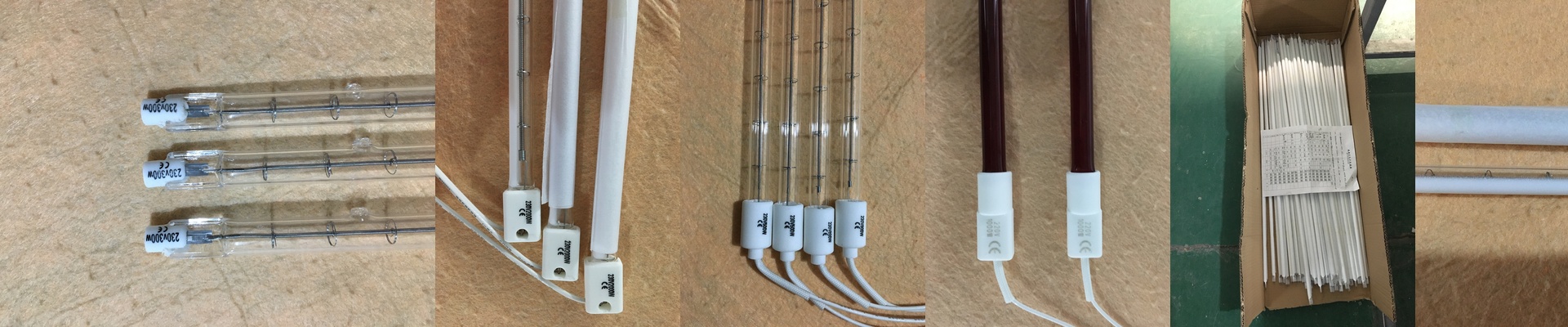
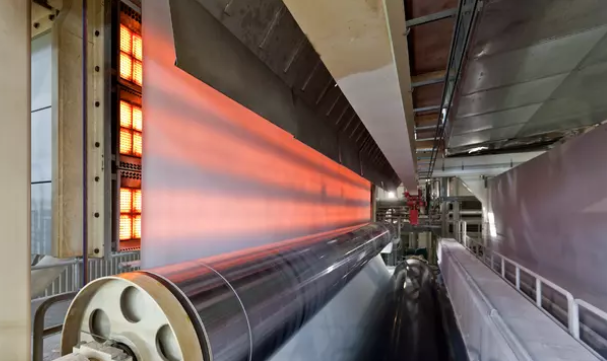
Let’s be honest: the big-name brands charge a fortune for infrared lamps. We think that’s crazy. We build lamps that give small and medium mills that same heavy-duty thermal punch, but without the bloated price tag. When you’re drying fabric or curing coatings, you can’t have “mostly hot” spots. You need the heat to be dead-on consistent across the whole web. We lean hard into the physics of short-wave and medium-wave radiation because it actually penetrates the fibers. It doesn’t just sear the surface and leave the inside damp. The nitty-gritty on power Most of our lamps are built for high-voltage industrial grids. Why? Because it keeps the current draw down and means you don’t need cables as thick as your wrist. We’re very careful about how we balance wattage against the length of the tube. If you cram too much power into a short space, the lamp is just going to burn out early. We calibrate the filament tension by hand to make sure the heat spreads evenly. As long as your conveyor speed matches the output, you’ll get a rock-solid thermal profile. Built for the factory floor We use high-purity quartz glass. It has to be that way, otherwise, the glass would shatter from the thermal shock of rapid cycling. Most of our lamps use R7s or SK15 connectors, so they just slide right into most standard machinery. No hacking, no custom brackets. And we don’t do flimsy wiring. The terminals are tough because we know factory environments are humid, messy, and rough on gear. Plus, some of our models have special coatings. These shift the emission spectrum, which is a fancy way of saying they can target specific synthetic fibers without melting the rest of the material. A word of caution Here’s the thing: these lamps put out a massive amount of heat. You can’t just plug them in and walk away. If your ventilation isn’t up to the task, you’re going to trip your thermal overrides. We give you the raw power you need to keep production moving, but you’ll need your floor engineer to keep an eye on the airflow. If you don’t, the heat buildup can actually warp your machine frame over time. It’s powerful stuff. Just treat it with respect.