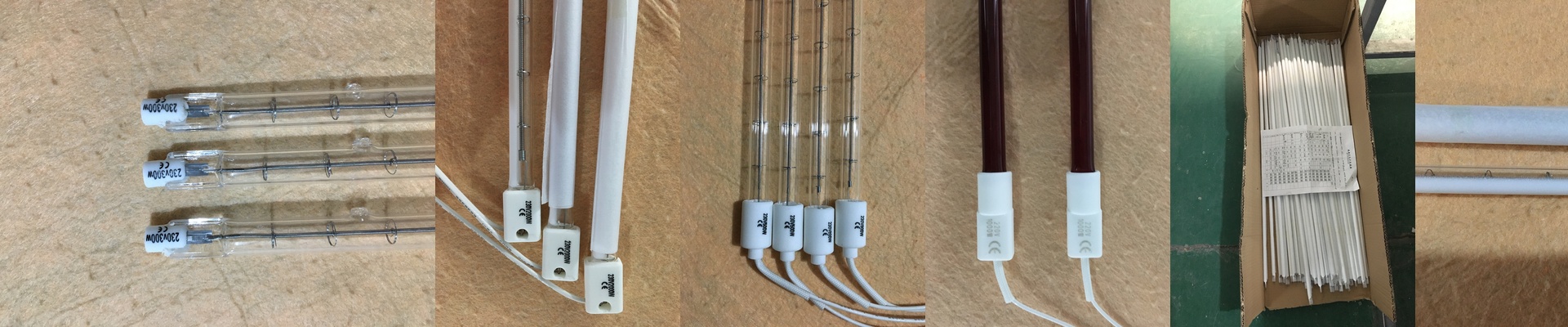
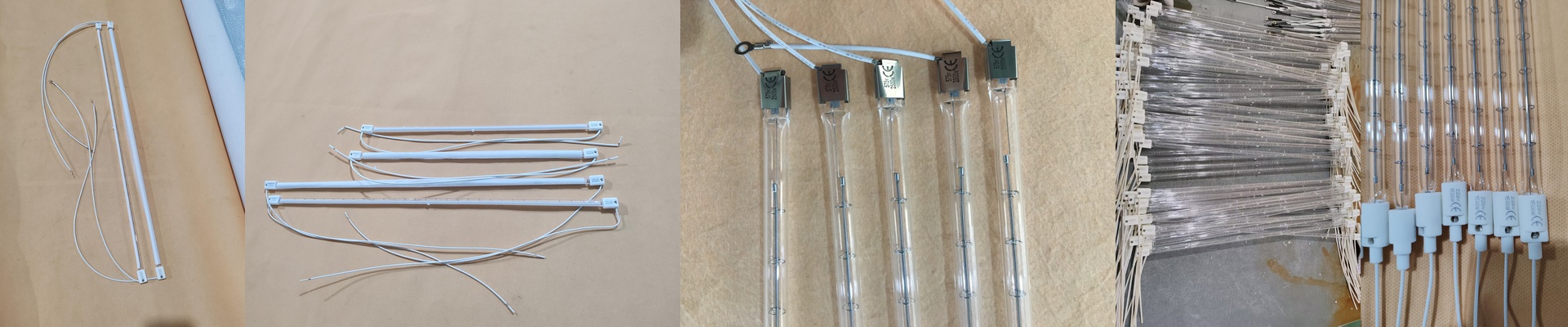
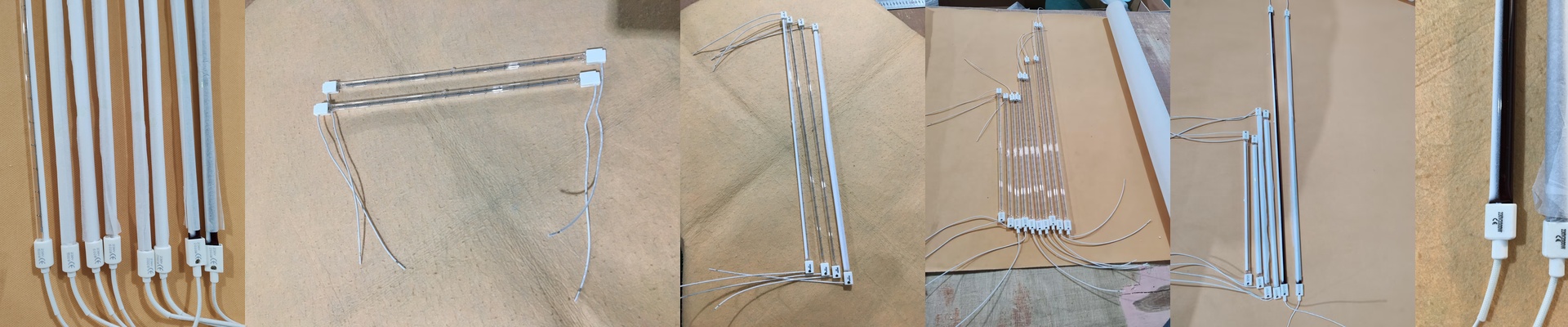
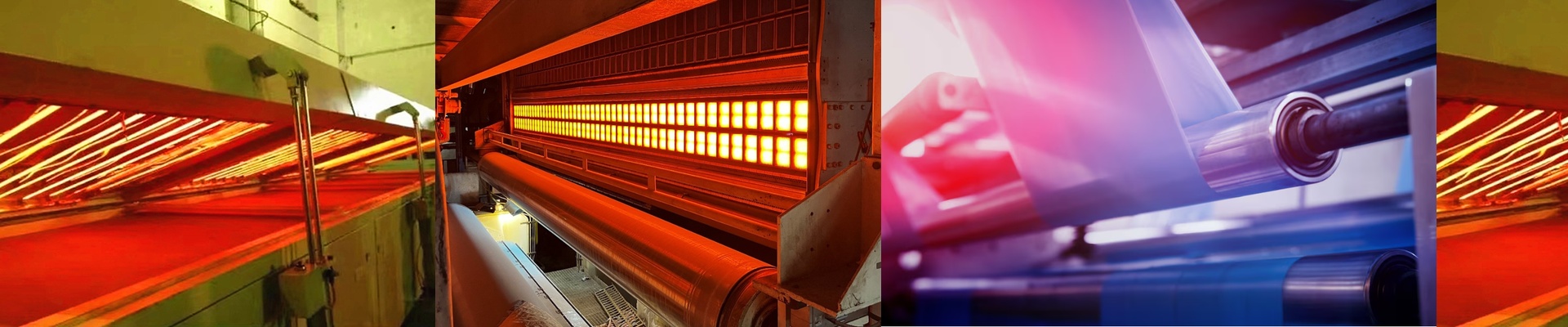
Moving Away from OEM Infrared Lamps: What You Actually Need to Know
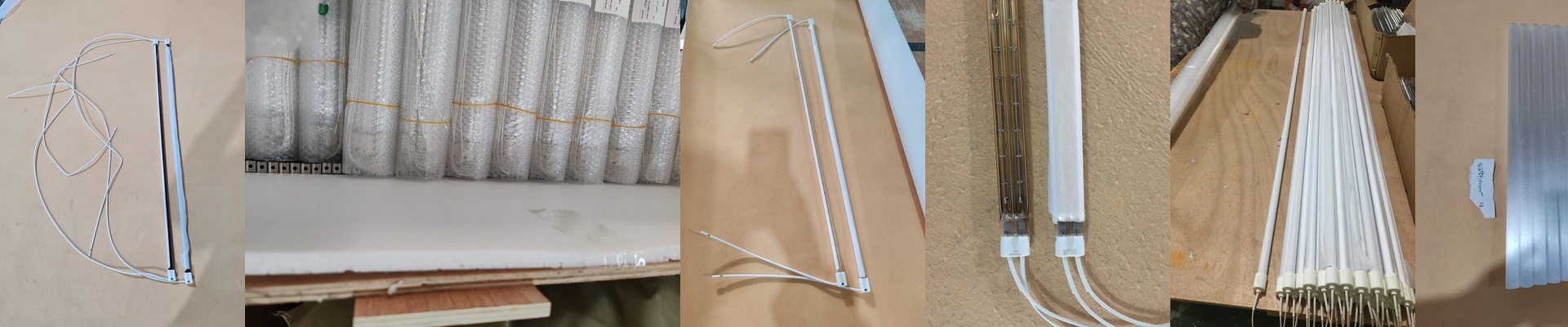
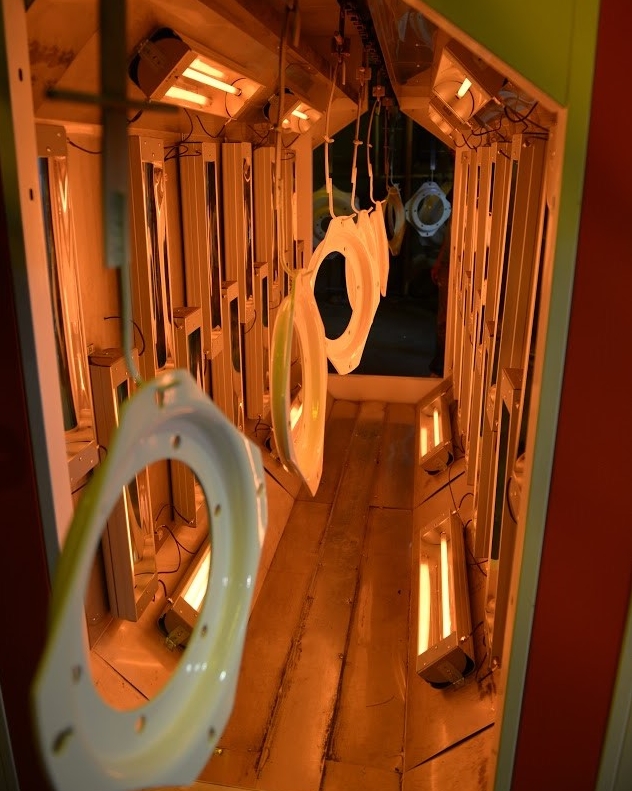
If you’re running a high-volume appliance coating line, switching from those expensive OEM lamps to a domestic alternative feels like a gamble. I get it. You aren’t just swapping out a lightbulb; you’re trusting your entire finish to a new piece of hardware. If the heat is off, the whole batch is ruined. The “Looks the Same” Trap Here is the thing: two lamps can look identical sitting on a shelf, but they behave completely differently under pressure. Most OEM lamps are tuned to a very specific wavelength. This ensures the heat actually gets into the coating without scorching the metal underneath. To get a domestic lamp to do the same, we obsess over the quartz purity and how the filament is wound. Why? Because cheap quartz has impurities. Those impurities create tiny hot spots that eat the lamp from the inside out, leading to a burnout way sooner than you’d expect. Plus, we make sure the wattage and voltage line up perfectly with your current power supply. You don’t want to be the person who fried a transformer because of a “cheaper” lamp. Numbers Over Brochures I don’t care what a glossy brochure says. You need data. We provide certified spectral distribution curves because that’s the only way to prove the energy—whether it’s short-wave or medium-wave—matches what you had before. If that wavelength shifts even a little, your curing time goes out the window. You’ll either end up with paint that hasn’t set or you’ll be burning electricity for no reason. The “Drop-In” Reality We build these to be true drop-in replacements. The physical size and the connectors match your current racks exactly. No rewiring your panels. No headaches. Just plug and play. But there is one thing to keep an eye on. Some of our high-density lamps are actually too efficient. They put out a massive amount of heat flux. While the coating cures perfectly, the ambient temperature inside your oven might climb higher than you’re used to. Before you flip the switch, just double-check that your exhaust fans can handle the extra heat. You don’t want your oven shell overheating just because the lamps are working too well.