Stop Wasting Your Heat: The Truth About Reflector Geometry
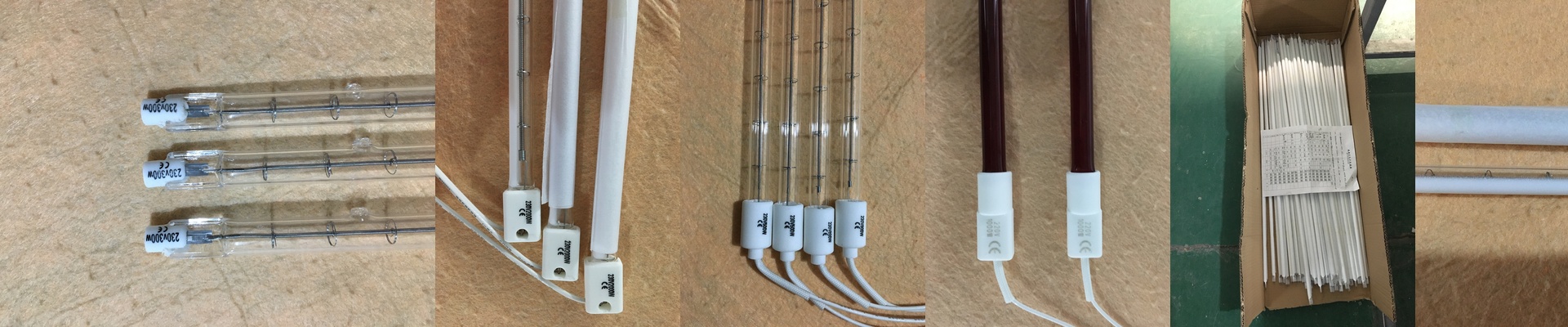
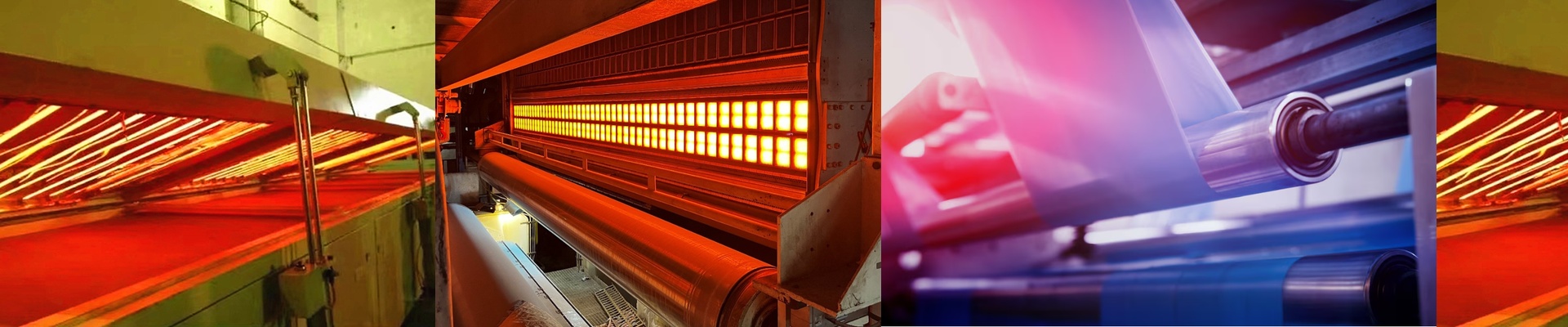
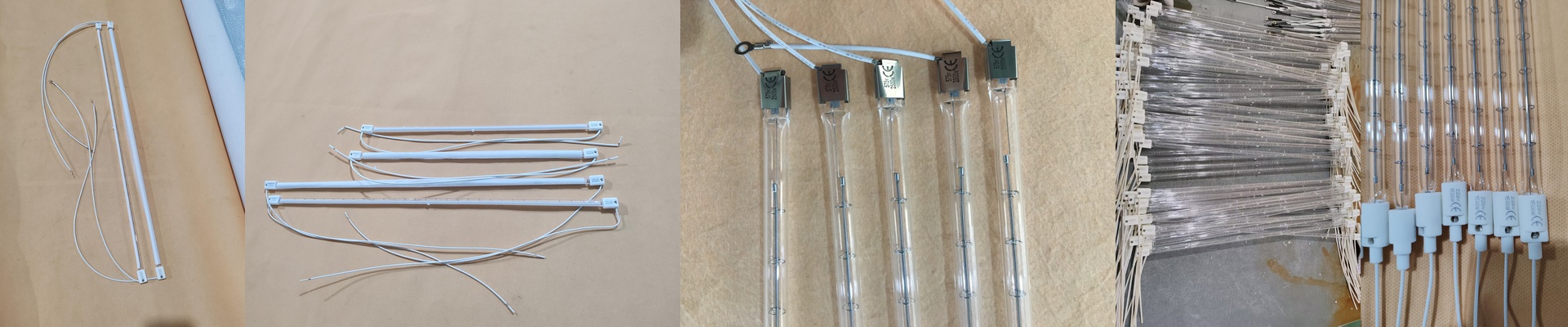
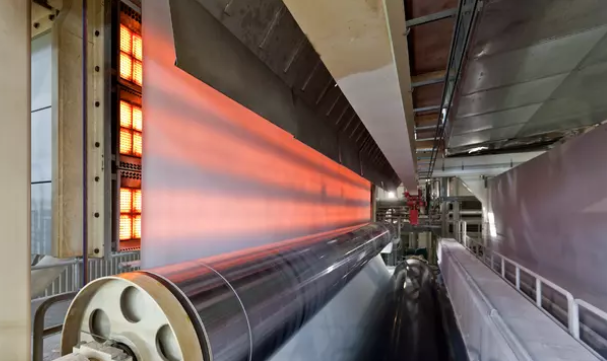
When you’re curing or drying textiles, the IR lamp is only half the battle. You can buy the most expensive lamp on the market, but if your reflector is off, you’re basically heating up the inside of your machine frame instead of your fabric. It’s all about the optical path. We make sure the heat actually lands where the fabric is sitting, not just “somewhere in the general area.”
Where is the energy actually going?
Think about it: a standard IR lamp throws energy in every direction. Without a reflector, half your power is gone the second you flip the switch. We use parabolic or elliptical shapes to bounce those rear-facing photons back toward the target. But there’s a catch. If the curve is too shallow, the heat spreads out too thin and you lose your punch. Too steep? You’ll get “hot spots” that can scorch synthetic fibers in a heartbeat. It’s a delicate balance.
Speed vs. Consistency
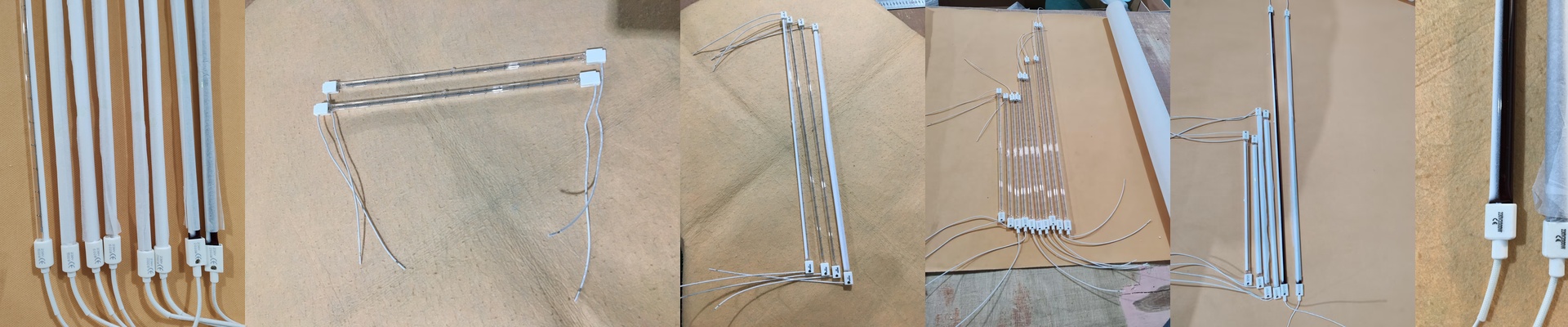
Here’s the thing: we set the focal point based on how fast your conveyor is moving and how far the lamp sits from the cloth. A tight focal point means more heat density. That’s great because it cuts down your dwell time and gets your product out the door faster. But tight beams are a pain to overlap. If you aren’t careful, you’ll end up with stripes or cold spots across your fabric roll. To fix that, we stagger the lamps and tilt the reflectors. It blends everything together into one smooth, warm zone.
Don’t cut corners on the housing
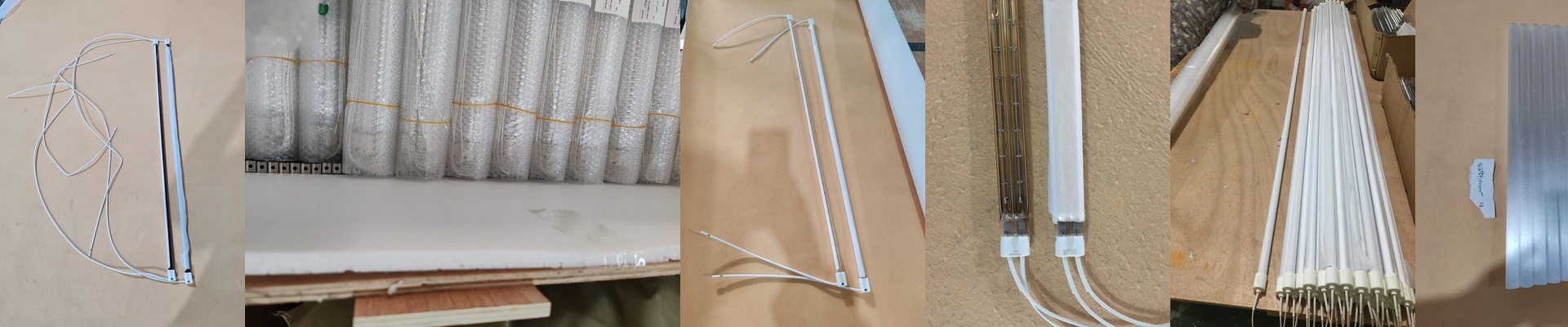
You can’t just shove a high-output lamp into a cheap metal box. When you concentrate that much energy, the ends of the lamp get incredibly hot. If your reflector material is low-grade, it’ll warp. And once it warps, your focal point shifts, and suddenly your whole process is out of whack. Plus, you have to think about the air. Make sure your cooling blowers are actually beefy enough to handle the heat trapped in that reflector cavity. Otherwise, you’re just fast-tracking your lamp toward a burnout.