Getting Your Heat Right in Textile 4.0
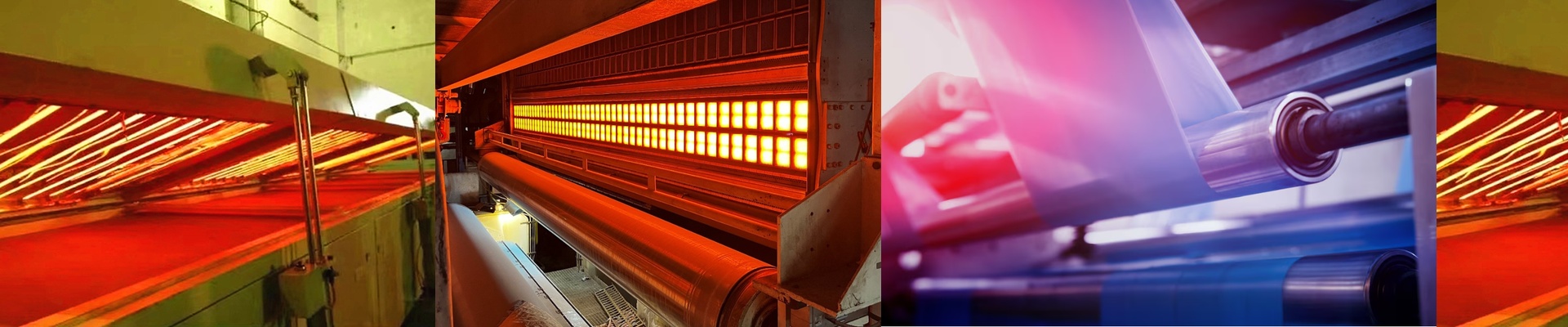
Let’s be honest: heating fabric isn’t just about cranking up the temperature. If you’re not careful, you’ll scorch your synthetics before the center of the material even gets warm. The real trick is hitting that sweet spot—keeping a steady, tight temperature window while your material is flying through the machine.
The Math of Heat Density
In a modern setup, generic heaters just don’t cut it. You have to look at the wattage-per-millimeter. When you pick a high-output quartz lamp, you’re basically managing how much heat hits the fabric every second. A high-wattage tube is great because it lets you speed up your line. But there’s a catch. Your power supply has to be able to keep up. If you push the wattage too hard without beefing up your wiring, you’ll get voltage drops. That’s when things get messy. You end up with cold spots on your fabric, and suddenly your quality control is a nightmare.
The Gear That Actually Works
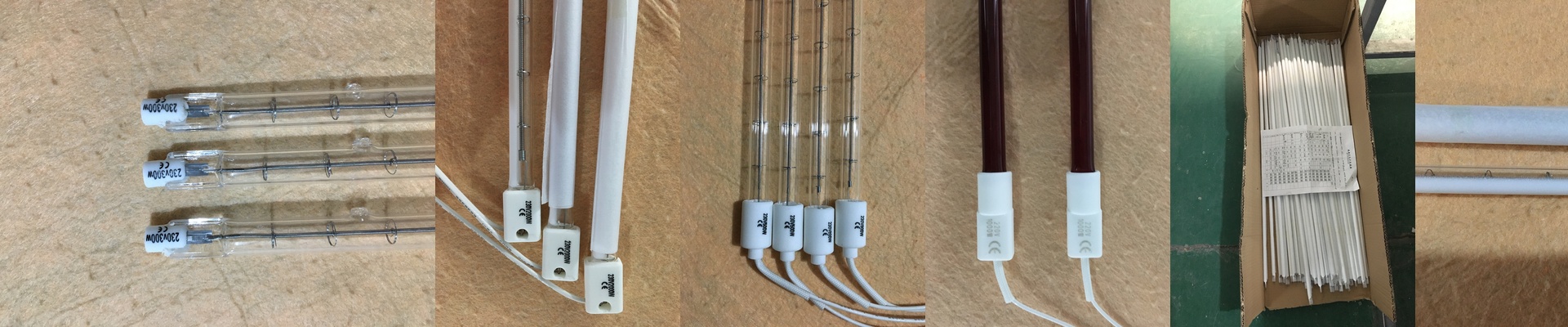
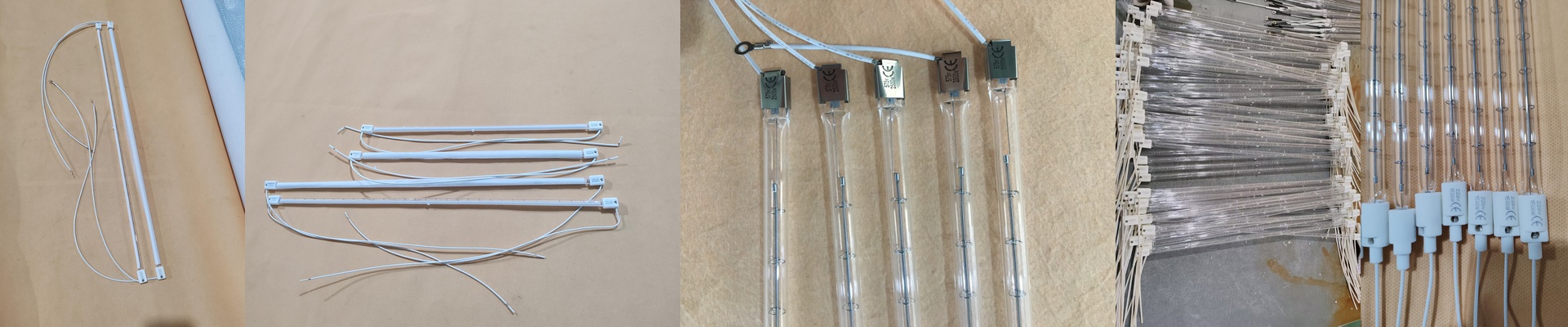
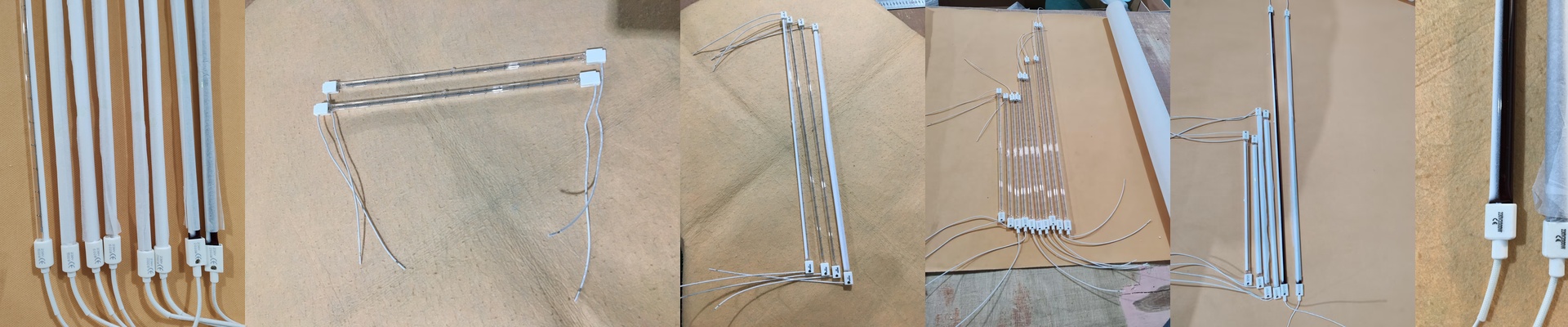
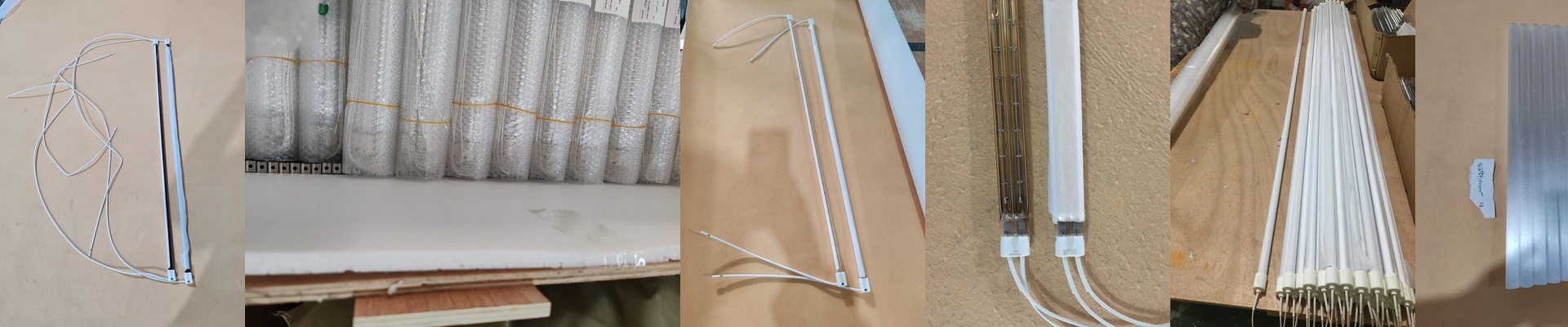
We use halogen-filled quartz tubes because they can handle much higher temperatures than your basic IR lamps. The quartz shell takes the thermal shock without cracking, and the halogen cycle keeps the tungsten filament from evaporating too fast. Basically, your lamps last longer before they burn out. Then there’s the connection. We stick with R7s or Sk15 bases. It’s not just about making sure they fit in the slot. It’s about the electrical contact. If the fit is loose, you get a hot spot that can literally melt the housing. Not a great look.
The Reality of the Shop Floor
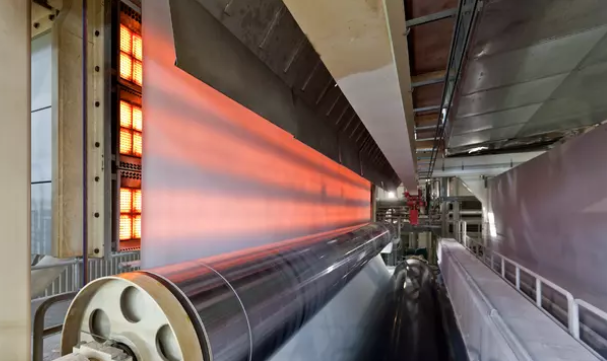
Here’s the thing about high-intensity lamps: they put off a lot of “stray” heat. While they’re fantastic for the rapid response you need for automated tension control, they radiate a ton of heat back into the machine frame. If you don’t get your cooling fans and heat shields sorted, the electronics in your control cabinet are going to fry. We design our lamps as drop-in replacements. That way, you can swap them out quickly and get back to work without spending half the day in downtime.