Why “Dumb” IR Lamps Are Finally Getting an Upgrade
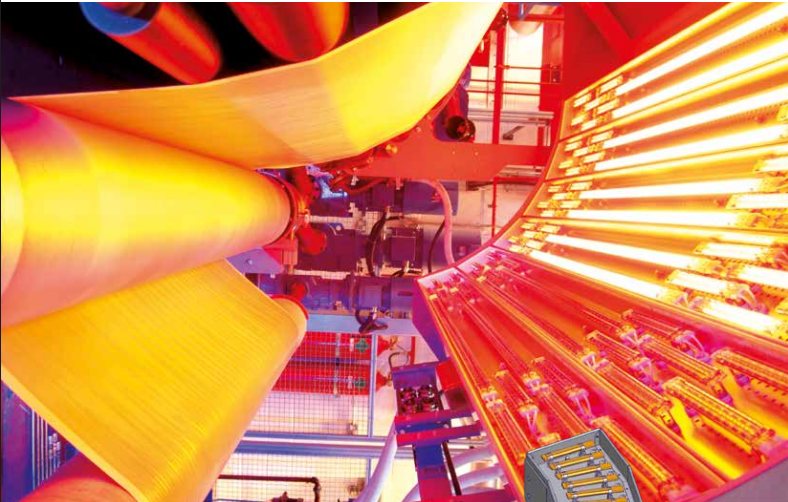
For a long time, the IR lamps in textile machines have basically been blind. You plug them in, set a timer or a basic thermostat, and then just pray they don’t blow out in the middle of a shift. It’s a guessing game. But that’s changing. Over the next few years, we’re moving away from these passive heating elements and toward “smart” tubes that can actually talk back to us.
Giving the Lamp a Voice
To make a lamp “speak,” we’re putting sensors right into the heating circuit. Think of it like adding a nervous system to the tube. By embedding thermocouples or optical sensors, the lamp can send real-time heat data straight to the PLC. Instead of just hoping the fabric is hitting the right temperature, the lamp tells you exactly what it’s putting out and how much heat the material is actually soaking up. And here’s the best part: the system can tweak the wattage on the fly. If you switch to a denser fabric, the power adjusts automatically. No more wasting electricity by overheating things just to be “safe.”
The Trade-offs (Because Nothing is Free)
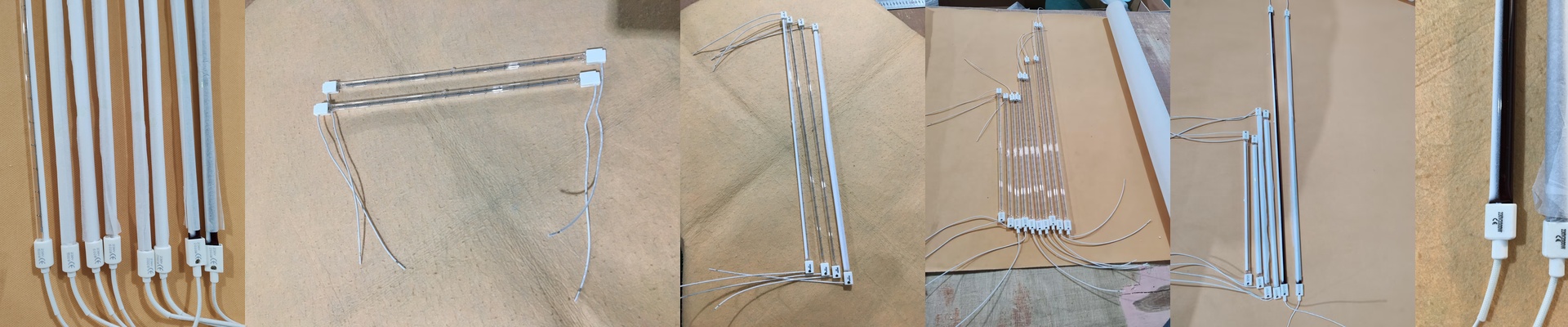
Now, adding a brain to a lamp makes the hardware a bit more complicated. You can’t just use the old R7s or Sk15 pins. These smart tubes need special connectors to carry data signals alongside the high-voltage power. That means if you’ve got a 20-year-old machine, you can’t just swap the bulb; you’ll need to update the control board too. Plus, putting sensitive electronics right next to an intense heat source is tricky. We have to shield those sensors carefully, otherwise, the high-wattage current creates too much “noise” and messes with the signal.
No More Mid-Shift Panics
Right now, most of us replace a tube only after it fails or when we notice a cold spot in the curing process. It’s reactive. It’s stressful. IoT-enabled lamps change that. They track their own hours and watch for filament wear. The lamp basically taps you on the shoulder and tells you it’s hitting 80% efficiency before it actually pops. It turns an emergency shutdown into a quick task during a planned break. You swap the tube on your own terms, not when the production line grinds to a halt.