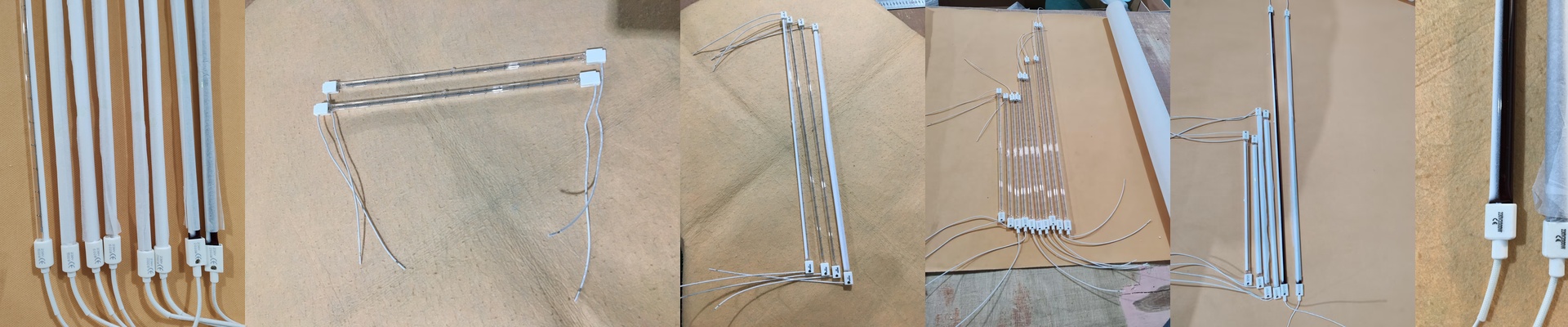

Why we insist on 99.99% pure quartz for textile heating
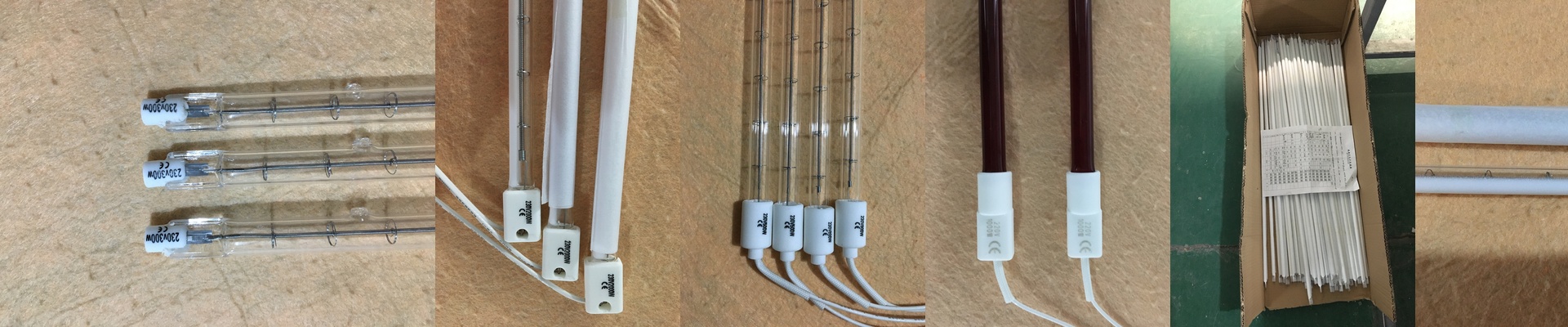
When you’re drying or curing textiles, that glass tube around the filament does a lot more than just hold things together. Think of it as a filter. If you use standard glass, you’re basically putting a wall between your heat and your fabric. It blocks the exact infrared wavelengths you need to get deep into those dense piles of cloth. That’s why we stick with high-purity synthetic quartz. It’s all about what’s NOT in the glass. When we talk about 99.99% purity, we’re really talking about getting rid of the junk—specifically aluminum and iron. These little impurities are heat magnets. They soak up the IR energy and trap it inside the glass wall. With high-purity quartz, the radiation just slides right through. You get the heat where it belongs—in the material—instead of wasting it by baking your lamp housing. Then there’s the stress test. Textile lines are brutal. You’ve got continuous cycles and sudden power jumps that would make cheaper glass scream. Lower-grade quartz can’t handle those quick shifts in temperature; it just cracks. But the 99.99% stuff? It takes a beating. It handles those thermal spikes without breaking a sweat, which means you aren’t replacing tubes every other week. The catch (because there’s always one). Here’s the thing: this stuff is a bit high-maintenance. Because it’s so pure, it’s incredibly sensitive to whatever touches it. A few oily fingerprints or a smudge from your sleeve during installation can create “hot spots.” Those spots cause the glass to stress out in one tiny area, and then—snap—your tube fails way sooner than it should. Do yourself a favor: use lint-free gloves and a bit of isopropyl alcohol. Keep it spotless. The real-world impact. If you try to save a few bucks by using standard quartz, you’ll probably find yourself cranking up the wattage just to get the same result. That’s a losing game. You’re stressing your power supply and pushing your filaments toward a burnout. When you use the high-purity stuff, you hit your target temperature without having to push the system to its limit. It just works better.