Getting Infrared Heat Right in a Dye House
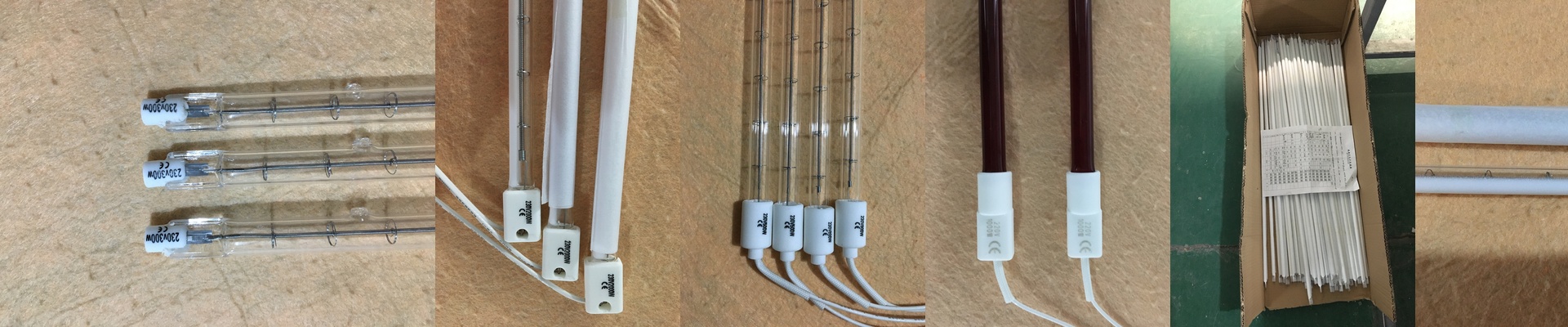
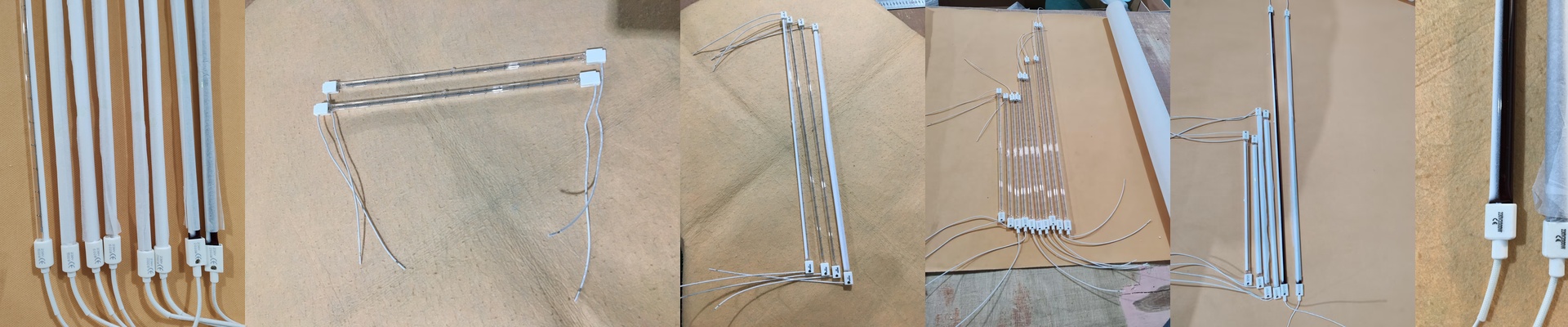
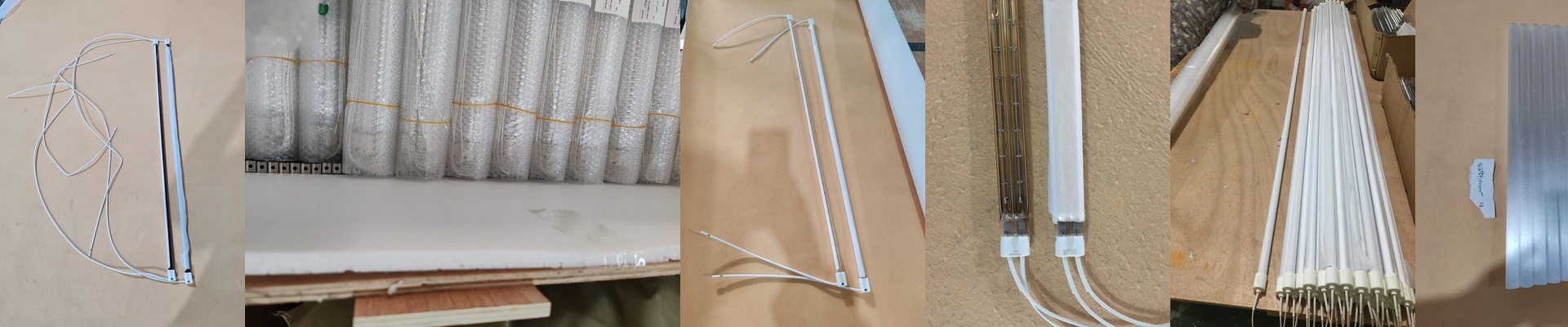
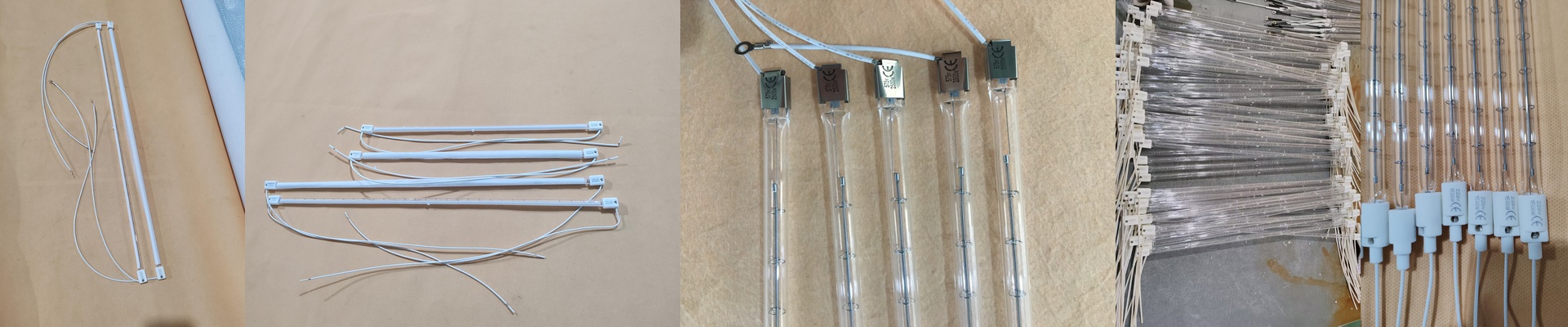
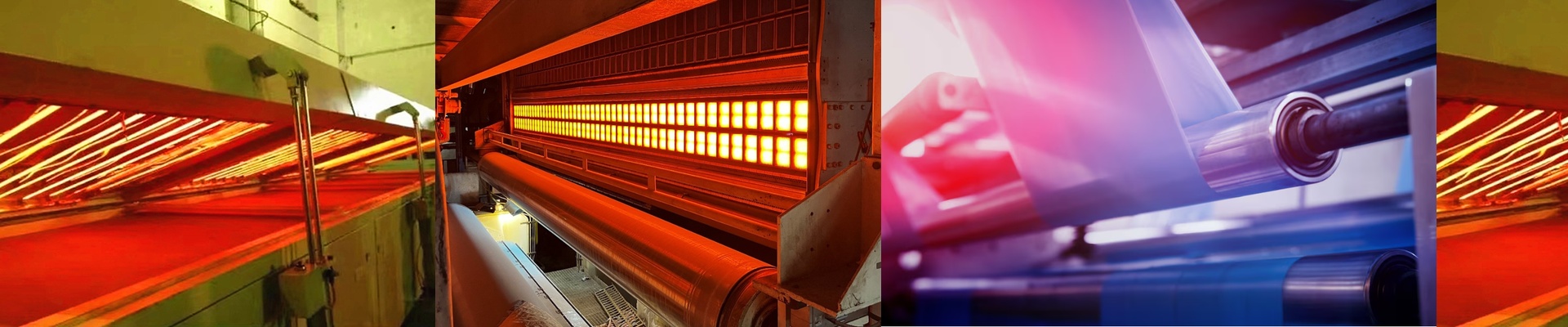
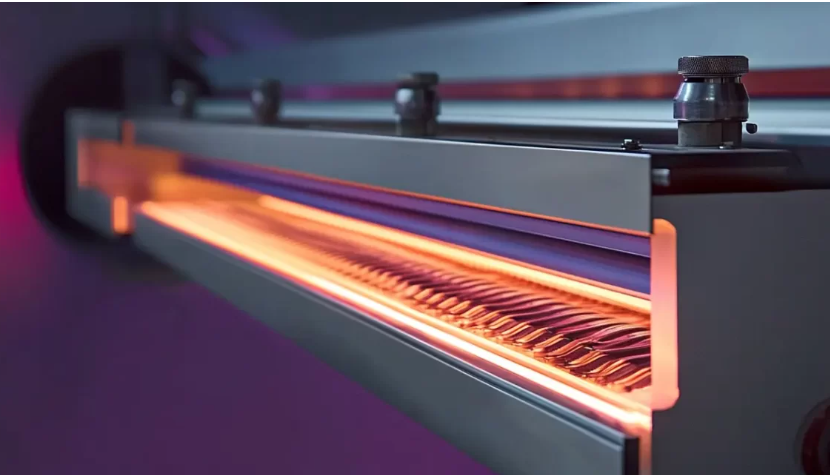
We spent some time visiting about 2,000 printing and dyeing workshops. Why? Because we wanted to see where standard IR lamps actually fail. Here is the thing: most off-the-shelf tubes just aren’t built for the madness of a textile mill. Between the thick humidity and the chemical fumes, a “lab-spec” lamp usually dies a quick death. We realized the real problem isn’t the specs on the box—it’s how the heat actually hits the fabric and how long the lamp lasts before it gives up. The trick with power and voltage Forget about generic wattage. That doesn’t tell you much. What actually matters is how much heat you’re packing into every linear centimeter. If you’re running high-speed PET fabrics, you need a high-voltage setup. This lets you push more power through a shorter tube without melting your connectors. We aim for lamps that hit the right temperature in milliseconds. If your wiring is too thin or your voltage dips, you get cold spots. And cold spots mean your dyeing looks splotchy and uneven. No one wants that. Picking materials that actually work Quartz glass is the starting point, but the coating is where the magic happens. We use specific coatings to shift the spectrum so the heat actually sinks into the fiber. You don’t want to just scorch the surface; you want the heat to penetrate. We also stick with R7s or SK15 connectors. Why? Because they’re fast. When a lamp pops in the middle of a shift, your team needs to just pop a new one in and keep moving. They shouldn’t have to spend an hour messing with a terminal while the line is dead. The real-world trade-offs High-output IR lamps are beasts. They put out massive heat, but that puts a lot of stress on your machine frame. If you cram 3000W into a tiny space, your reflector housing is going to take a beating. You’ve got to make sure your cooling fans and vents can actually handle the heat rise, or you’ll end up with warped mounting brackets. We don’t just design for the electrical load. We design for the actual, messy environment where the machine lives.