Why Your Fabric Isn’t Drying (And How to Fix It)
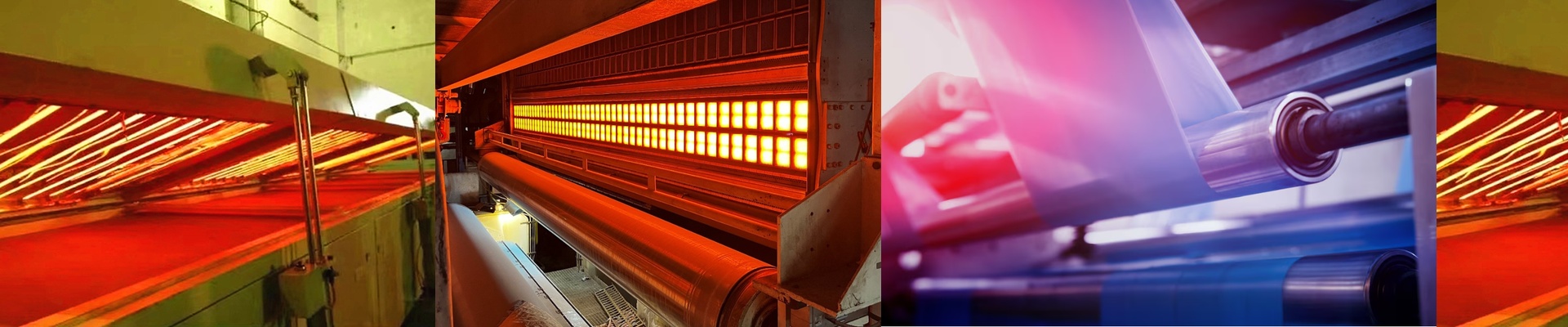
Ever feel like you’re cranking up the heat on your lamps, but the colors just aren’t setting? Here’s the thing: it’s usually not about how much heat you’re throwing at the fabric. It’s about the wavelength. If the infrared light coming off your heater doesn’t “click” with the specific dye you’re using, that energy just bounces right off. You’re paying for the electricity, but your fabric stays damp. It’s frustrating. Getting the match right Different dyes are picky. Some love short-wave IR because it sinks deep into the fibers. Others, especially water-based pigments, respond much better to medium-wave IR. We use spectroscopy to figure out exactly where a dye “likes” to absorb energy. When you pick a lamp that hits those specific peaks, you aren’t just heating the surface. You’re pumping energy directly into the molecular bonds of the dye. That’s how you get the color to lock in fast. Speeding up the line When you get this match right, everything moves. You don’t have to wait for the heat to slowly soak through the cloth like a wet sponge. Instead, the energy jumps straight in. This is huge for your production. You can actually speed up the conveyor belt without worrying about “cold spots” or weird, uneven patches in the middle of the roll. It just works. The catch (and how to handle it) Of course, you can’t just blast it. If you try to force the process by shoving too much energy into a tiny band, you’ll end up scorching the top fibers before the inside even gets warm. It’s a balancing act. You have to keep an eye on your fabric tension and play around with the distance between the lamp and the cloth. Tweak it until it’s just right. Your fabric stays intact, and your colors stay sharp.