Let’s Talk About Halogen Heating Pipes
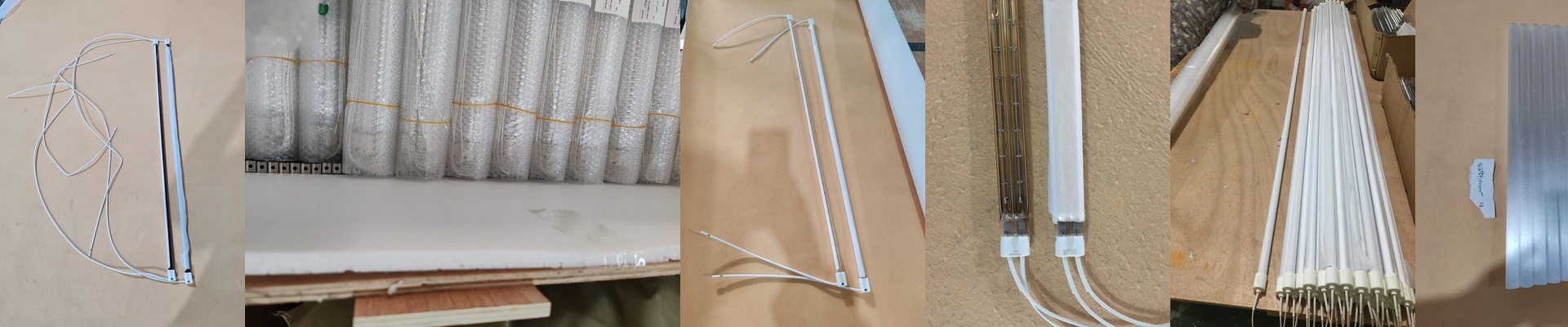
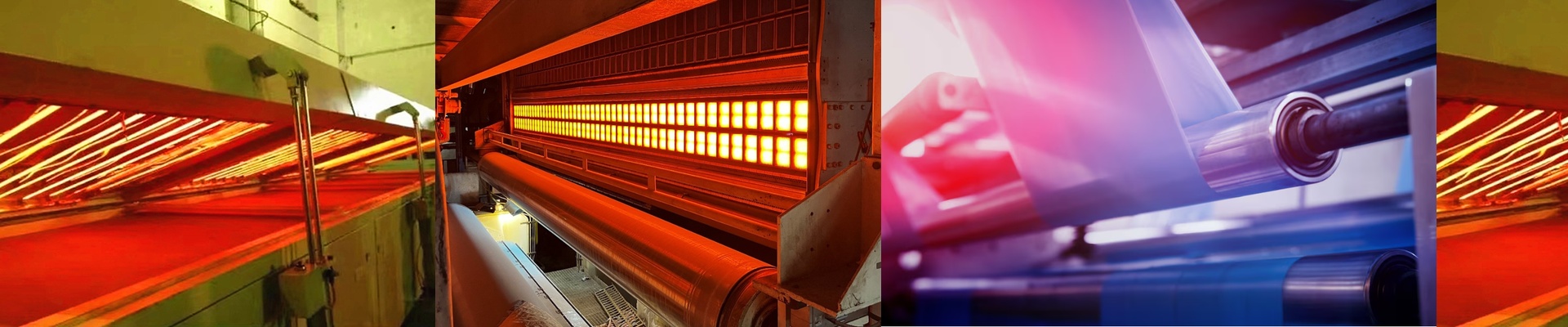
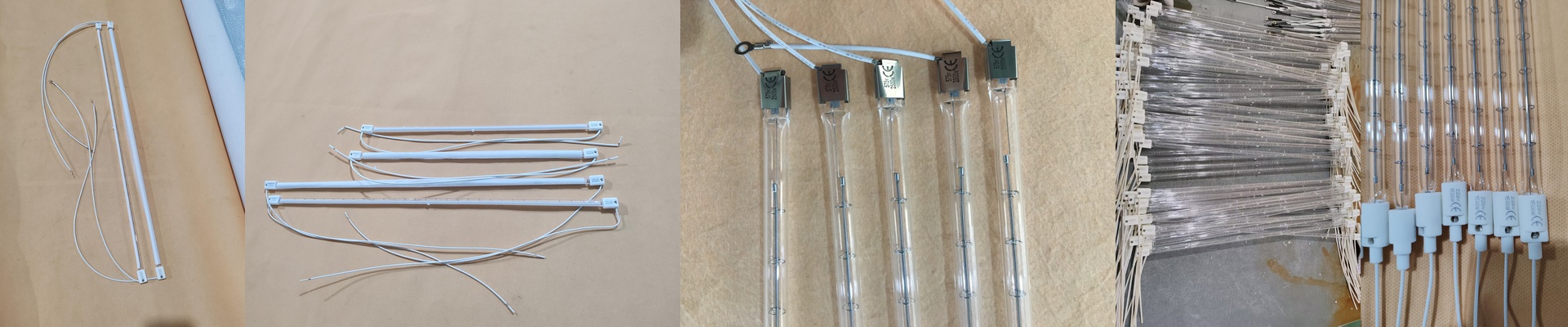
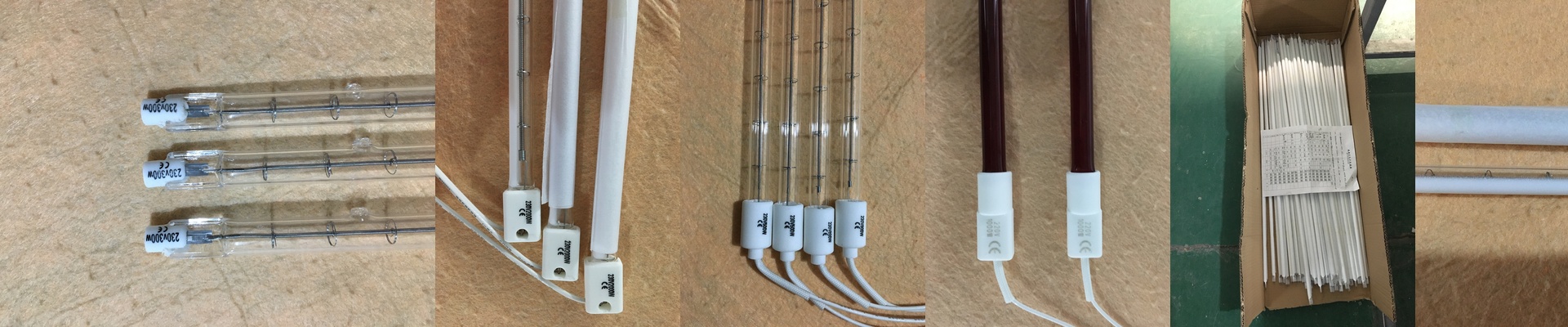
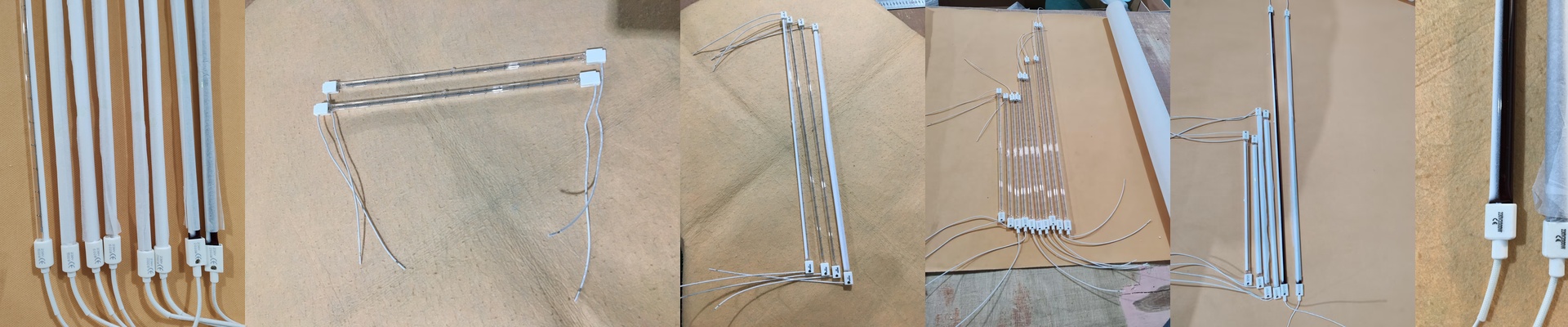
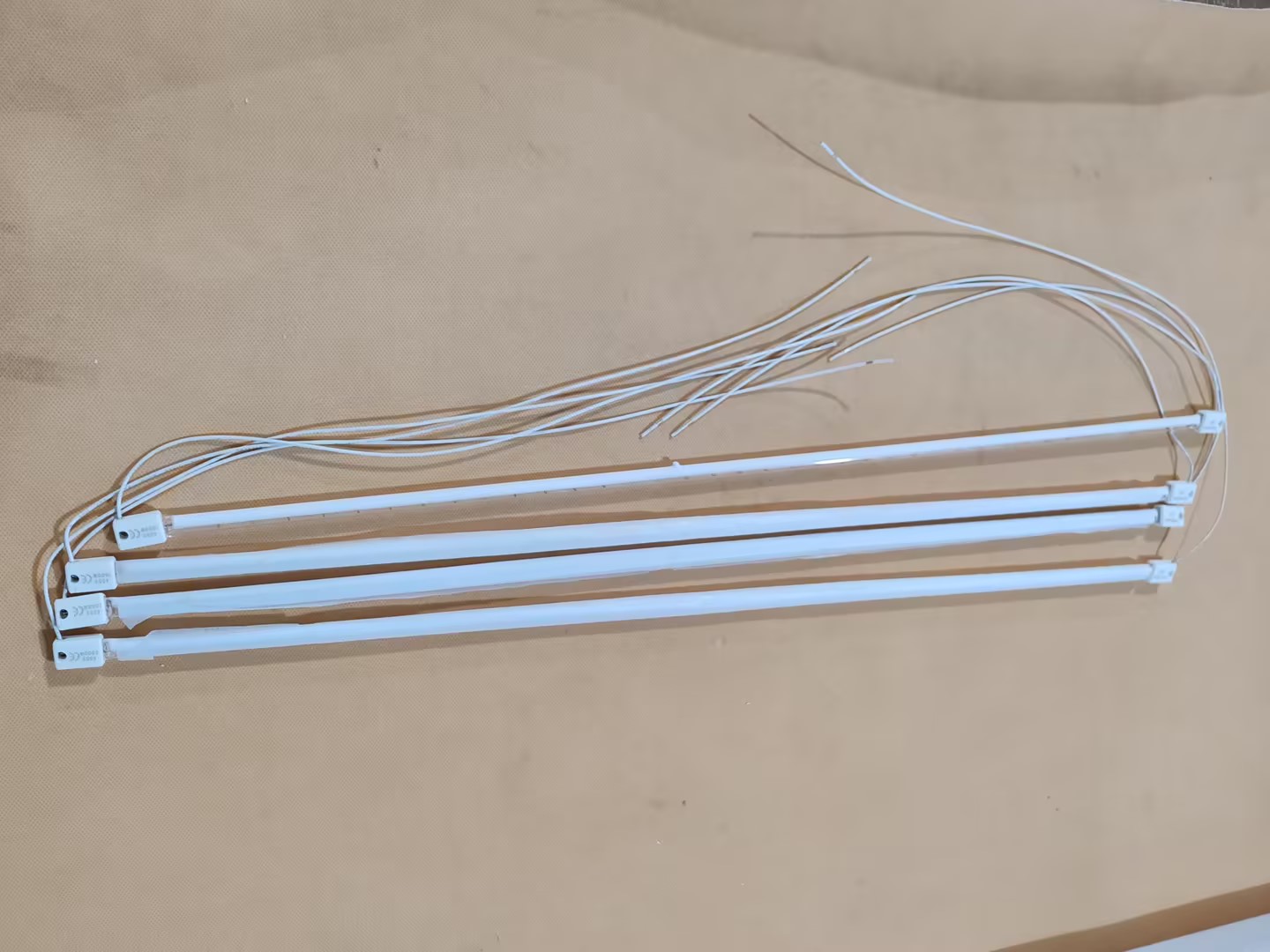
If you need to move a lot of heat, fast, these things are your best bet. Basically, we take a tungsten filament, wrap it in a quartz tube, and pump in a specific mix of halogen gas. Here’s the cool part: that gas actually pushes evaporated tungsten back onto the filament. It keeps the lamp from burning out too quickly and lets it run way hotter than your average quartz lamp. Getting the power right When you’re picking a pipe, you’re really looking at the wattage versus the length. That’s what decides how much heat you’re actually throwing at your project. If you need to get up to temperature in a heartbeat, you’ll probably want a high-voltage setup—something like 230V or 400V. But be careful here. You have to match your power supply exactly. If you plug a 230V tube into a 400V line?Poof.Filament’s gone. On the flip side, if you under-volt it, you’ll never hit the temperature you need to actually work the material. The build and the bits We use hard-quartz glass because it doesn’t freak out when the temperature swings wildly. Some of our pipes even come with a special coating. This helps shift the heat spectrum or just keeps the glass from getting dirty and ruined. For the plugs, we usually stick with R7s or Sk15 connectors. They’re standard, so they should slide right into most industrial ovens without a fight. Plus, they fit tight, which means you don’t have to worry about electrical arcs jumping around the terminals. Using them in the real world You’ll see these all over the place for things like blowing PET bottles or shrinking plastic film. They’re great because they hit the polymer with immediate heat without turning your entire machine chassis into an oven. It’s fast. Really fast. But there is a catch. These things getinsanely hot. If your reflectors are slightly off or a cooling fan decides to quit, that radiant heat will warp your sensors or melt your wiring before you even realize there’s a problem. Just double-check your clearances before you flip the switch.