Why Your Infrared Lamps Keep Burning Out (And How to Fix It)
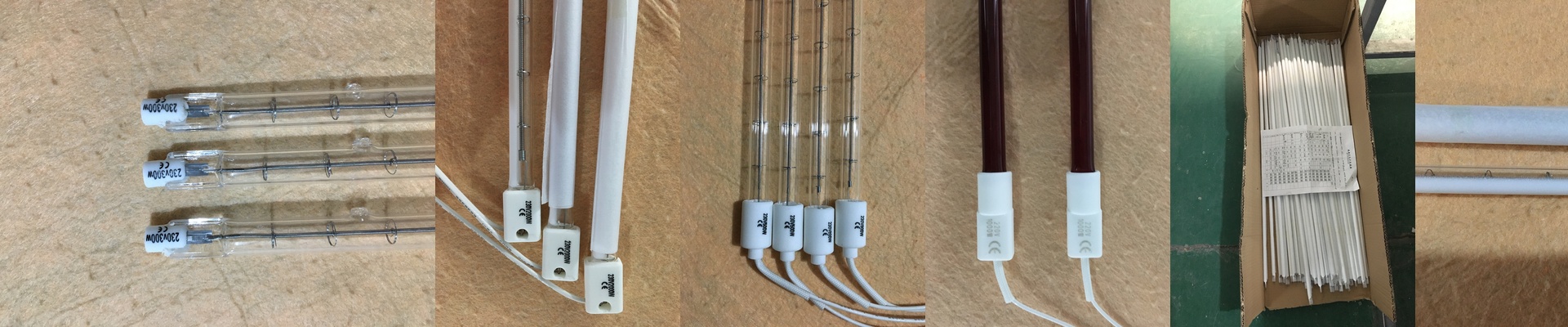
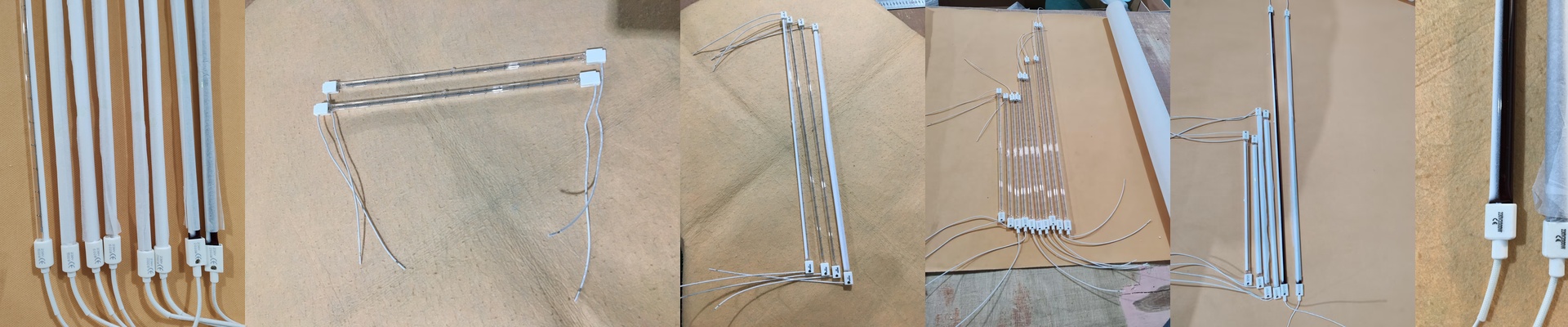
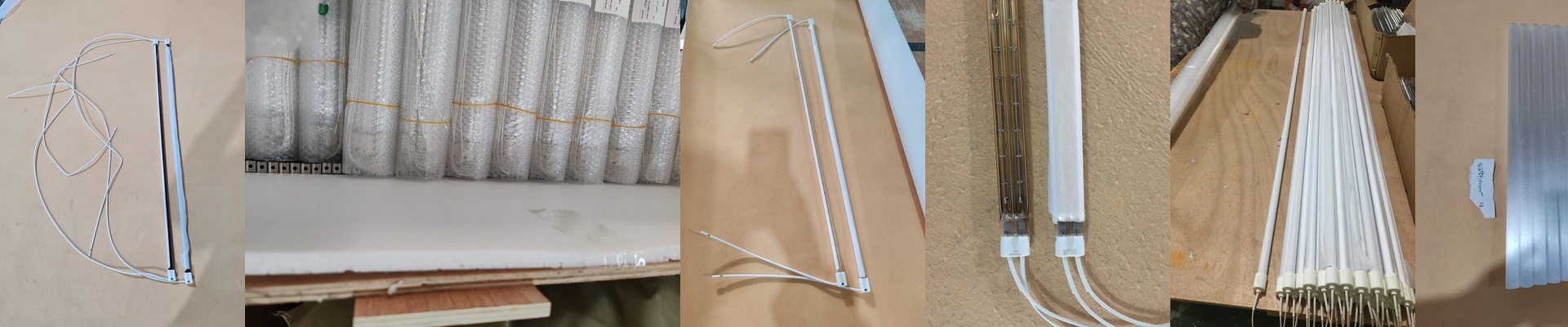
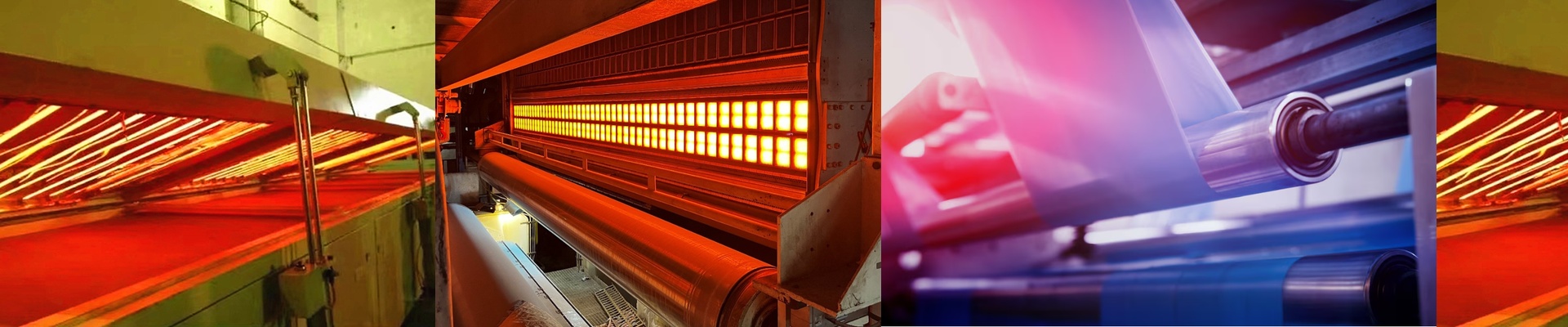
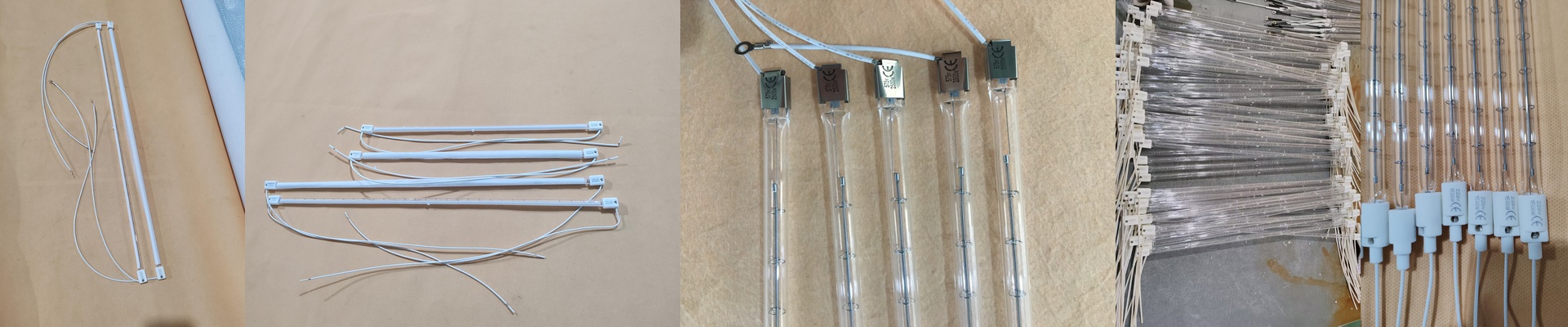
If you run textile curing or drying lines, you know the drill. Your infrared lamps are constantly clicking on and off, thousands of times over. Here’s the problem: every time that lamp hits its operating temp, the tungsten filament expands. When it cools down, it shrinks. It’s a constant tug-of-war. This puts a massive amount of stress on the supports holding that filament in place. If those supports give way or shift even a tiny bit, the filament sags. Once it sags, your heat distribution goes sideways, and—boom—the bulb burns out way sooner than it should. The fight against “sag” We spend a lot of time obsessing over how those filament brackets handle the stress. Most cheap bulbs use generic supports that warp after a few hundred cycles. They just can’t take the heat. We do things differently. We use high-purity quartz alloys for the supports. Why? Because they expand and contract at the same rate as the glass envelope. It keeps the filament dead-center, exactly where it needs to be. We don’t just guess, either. We put our bulbs through tens of thousands of start-stop cycles and track the movement with precision gauges. If a support shifts by a fraction of a millimeter, the heat density fluctuates. By keeping everything rigid, you get a consistent wavelength across the whole tube. No cold spots, no surprises. The trade-off with high wattage Now, cranking up the power density is great for drying speeds. It gets your product moving faster. But that power comes with a price: internal pressure. High-wattage bulbs are intense. If your reflectors are dirty or slightly out of alignment, the heat bounces right back into the bulb. It’s like putting the lamp in an oven. That just accelerates the fatigue and kills the bulb faster. Getting it right during install The good news is these are drop-in replacements. They fit right into your existing machinery. We’ve also toughened up the electrical contacts because we know these things get handled a lot during replacements. But here is the one thing you can’t skip:make sure the bulb is seated perfectly. If the bulb is tilted, even slightly, all that thermal stress concentrates on one side of the support. It’s a quick way to cut the lifespan of your lamp in half. Just pop it in straight, and you’re good to go.