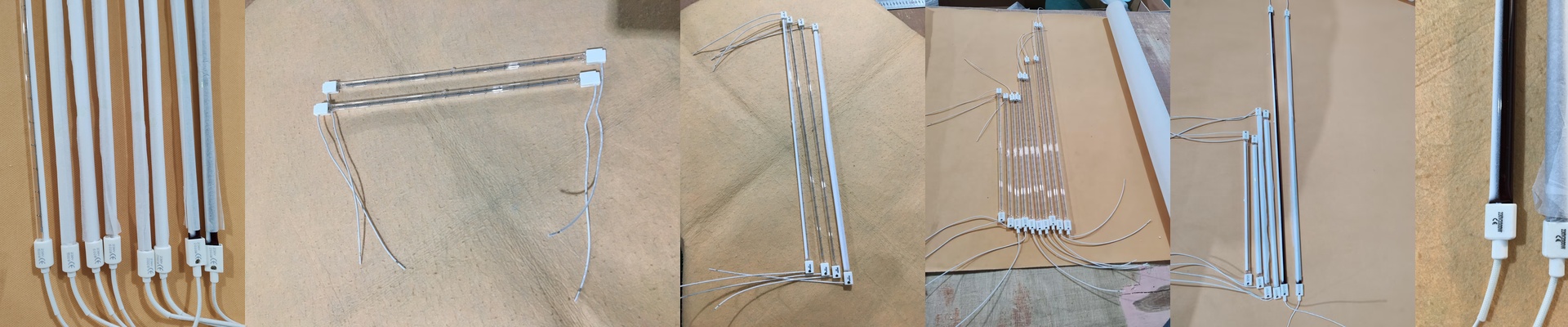
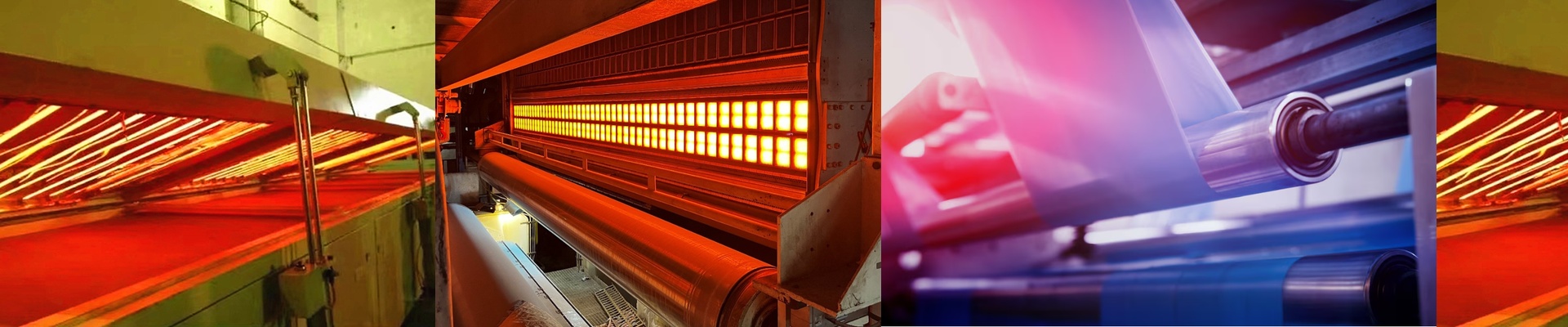
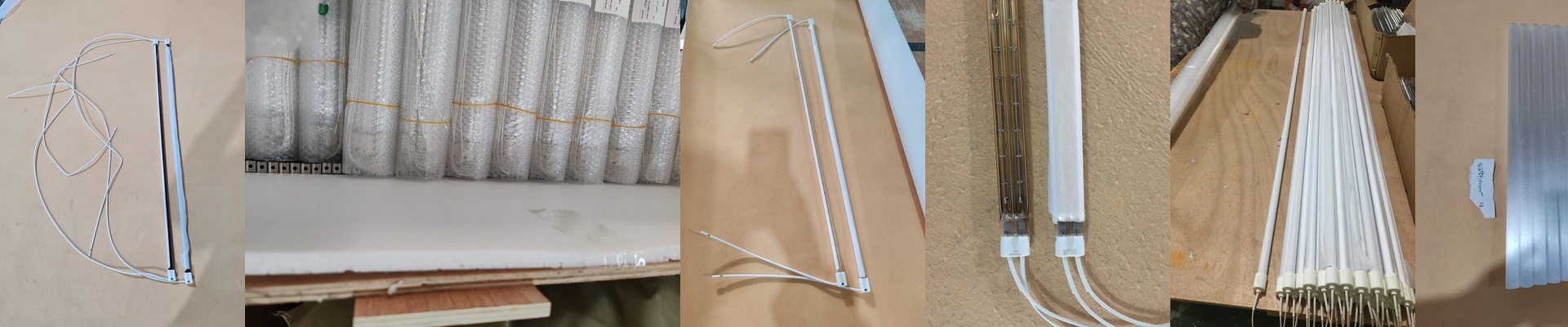
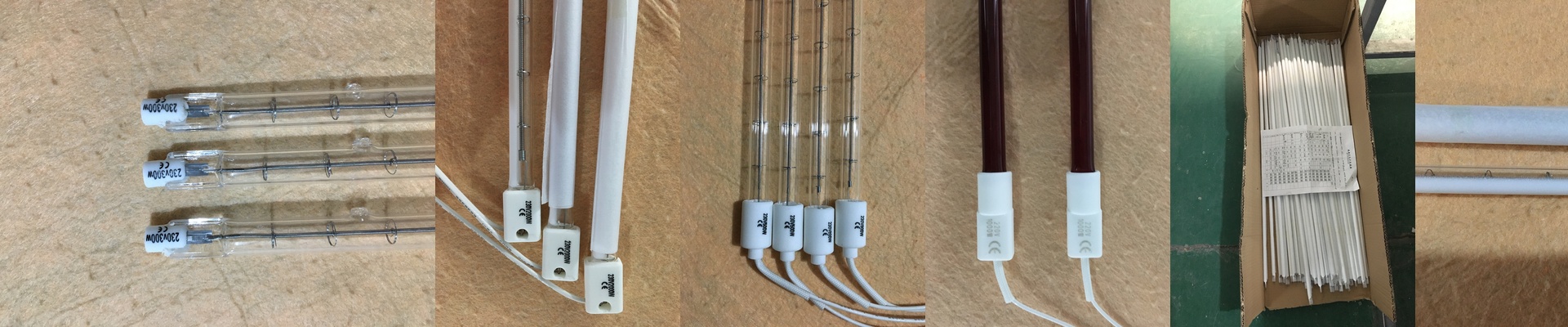
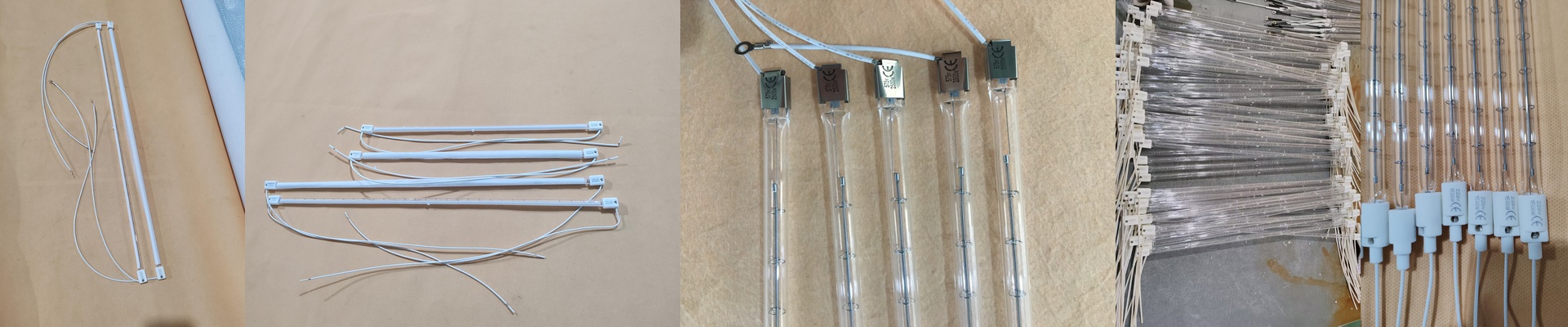
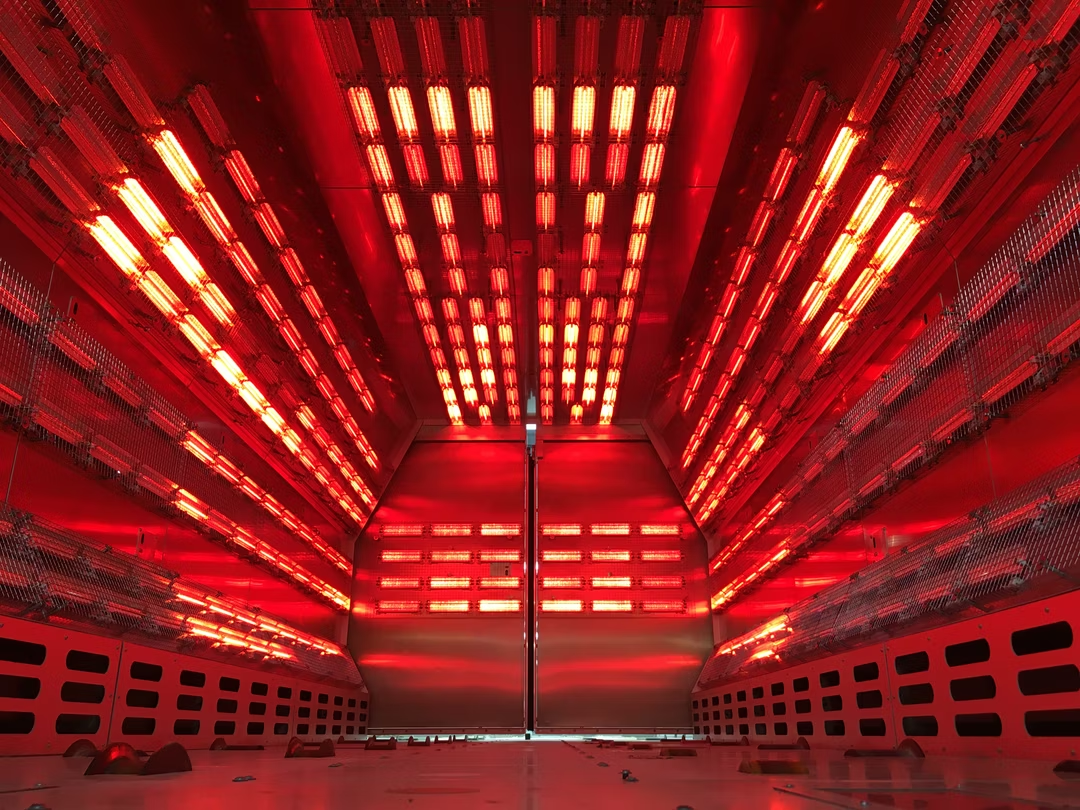
Most appliance plant managers I talk to are terrified of touching their powder coating lines. Specifically, they’re scared to swap out those original factory (OEM) infrared heaters for something domestic. I get it. The last thing you want is a batch of chassis coming out with patchy curing or lamps that burn out in a month. But here’s the thing: this isn’t about hunting for a “cheap” alternative. It’s about getting the thermal footprint and the electrical guts to line up perfectly. Getting the heat right When we look at a replacement for a production line, we obsess over wavelength and power density. Most high-end setups use short-wave infrared because it punches through the powder layer fast. If your voltage or wattage is off by even 5%, you’re going to see cold spots. That’s a nightmare. We mirror the OEM’s specs exactly so you don’t end up tripping breakers or, worse, shipping out under-cured paint. The build quality It really comes down to the quartz envelope and the filament. That’s what decides if a heater lasts or pops. We use high-purity quartz because it can take the shock of rapid heating and cooling without cracking. And we don’t make you rewire your entire rack. If the original had a weird, specific plug, we just replicate that geometry. You just plug it in and get back to work. The danger of “more power” It’s tempting to think, “Hey, let’s just swap a 2kW lamp for a 3kW to speed things up.” Stop right there. If you crank the heat density without adjusting your conveyor speed or cooling zones, you’re asking for trouble. You’ll end up scorching the coating or warping those thin metal sheets. We don’t expect plant engineers to take our word for it. We don’t send brochures. Instead, we show them actual thermal mapping data—the real-world temperature gradient across the part. That’s how you stop paying the “OEM tax” and start using a domestic supplier you can actually trust.