Getting the Heat Right: A Look at Our Countertop Powder Coating Heaters
When you’re working with small batches and your workbench is already crowded, you don’t have room for a massive oven. That’s why we build these countertop heaters. The goal is simple: get a ton of heat into a tiny space so you can cure your parts without taking up half the shop.
Why we use Shortwave IR
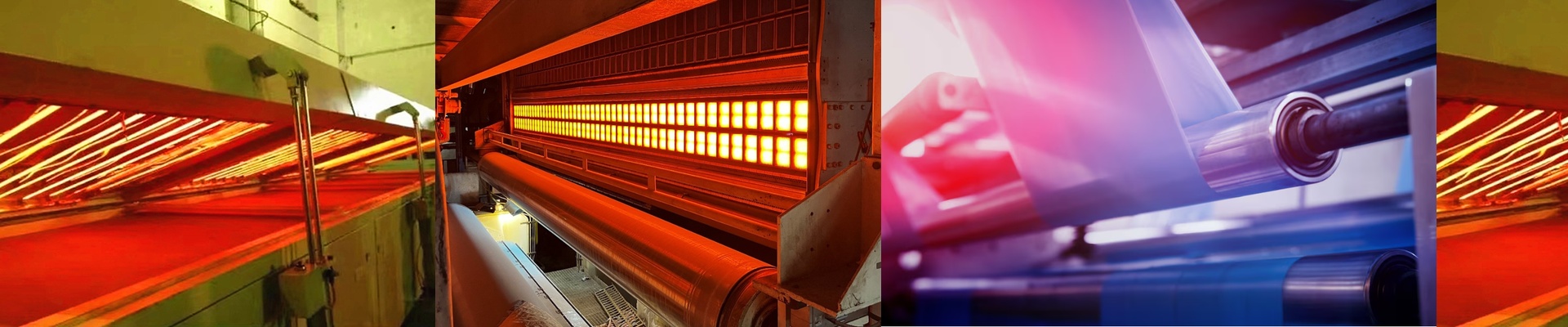
We went with quartz halogen elements because they just work better for this. Think about a standard convection oven. You have to heat up the air, then the air heats the part. It takes forever. Our IR lamps skip the middleman. They beam energy directly into the workpiece. It’s fast. Really fast. We’re talking seconds instead of minutes. Now, you can tweak the wattage and voltage to dial in the heat. High-wattage elements mean the unit stays small, but a quick heads-up: make sure your power supply can handle that initial surge. You don’t want to be resetting your breakers every time you flip the switch.
The Nitty-Gritty Hardware
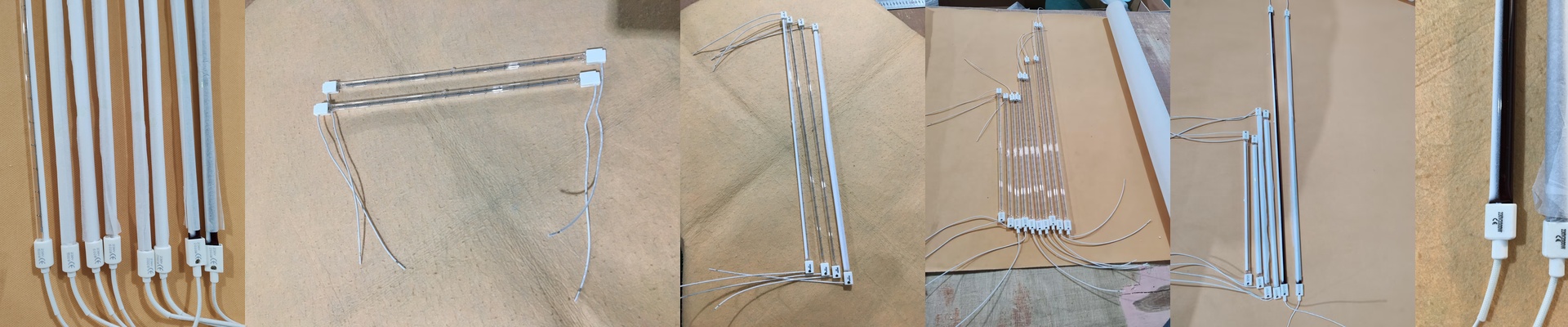
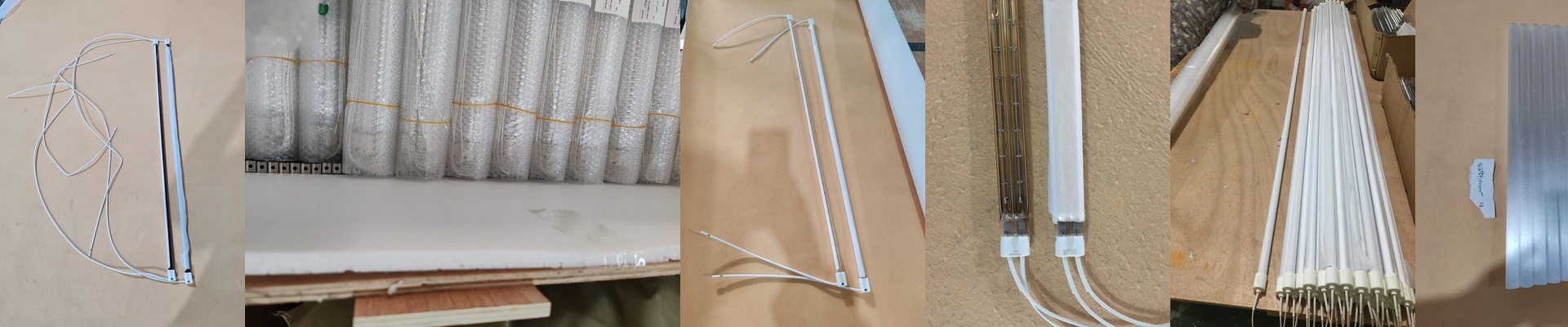
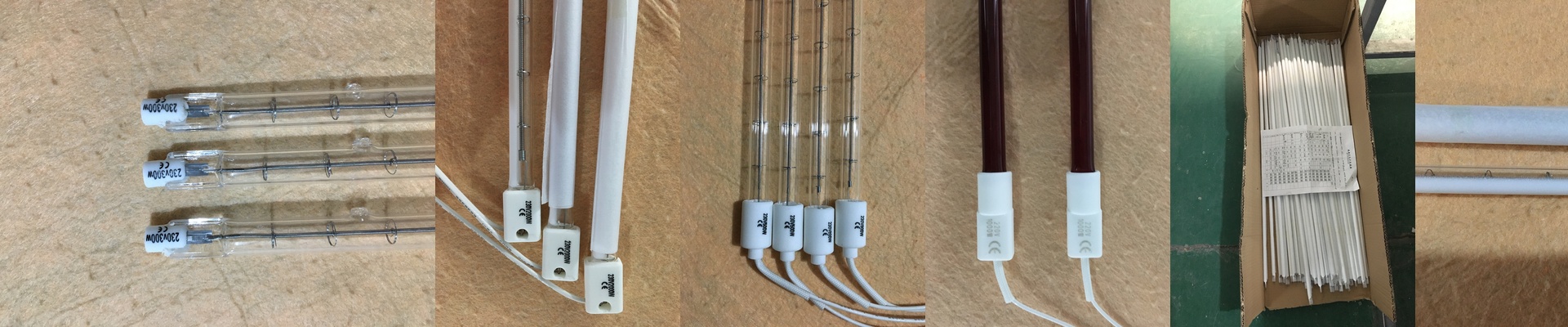
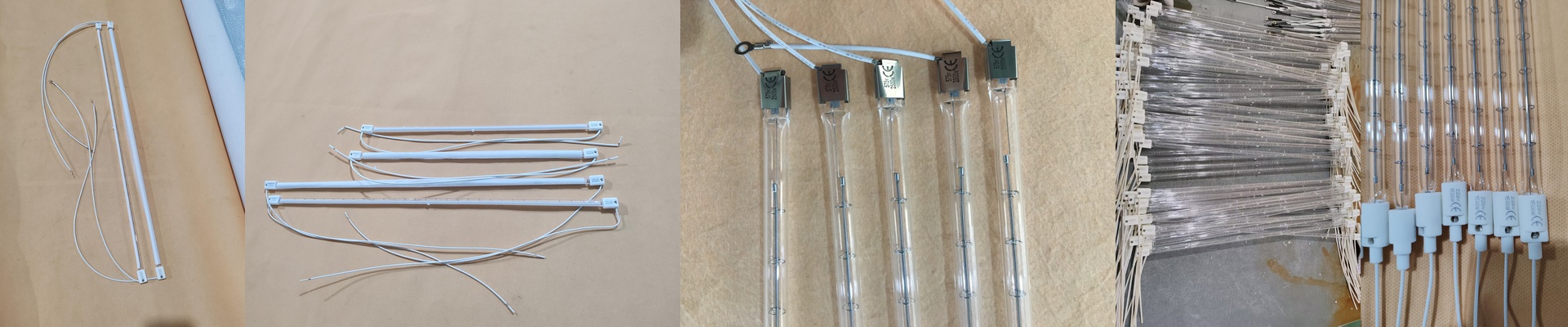
On the electrical side, we stick with R7s or SK15 connectors. They’re secure, they don’t wiggle, and they just fit. One detail I’m particularly proud of is the coated quartz envelope. We added this to shift the light spectrum. Basically, it blocks the blinding glare that usually comes with these lamps and pushes that energy into the infrared band instead. Your eyes will thank you, and your parts will get hotter. We also designed these to be easy drop-in replacements. The wiring is a breeze. But because these things get incredibly hot, we house them in vented aluminum or stainless steel. If we used anything cheaper, the chassis would warp the first time you really pushed it.
The Trade-off (And how to avoid mistakes)
Here’s the thing: when you have this much power in such a small area, you have to be careful. If you’re curing a thin-walled part and you crank the wattage too high without a tight timer, you’ll scorch the surface before the core even gets warm. It’s a frustrating mistake to make. The trick is all in the distance. You have to find that sweet spot between the lamp and the part. Balance your speed against the risk of burning the coating, and you’ll get a perfect finish every time.