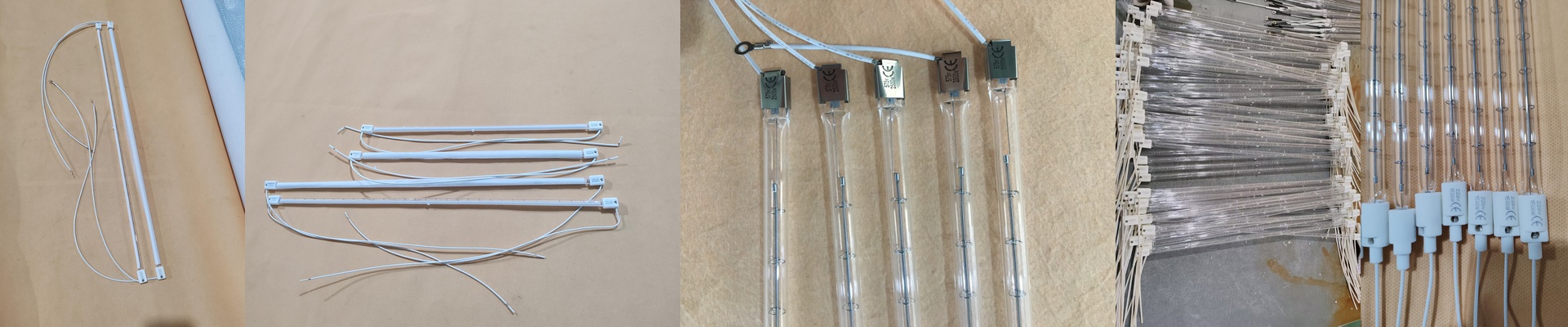

Getting Carbon Fiber Curing Right
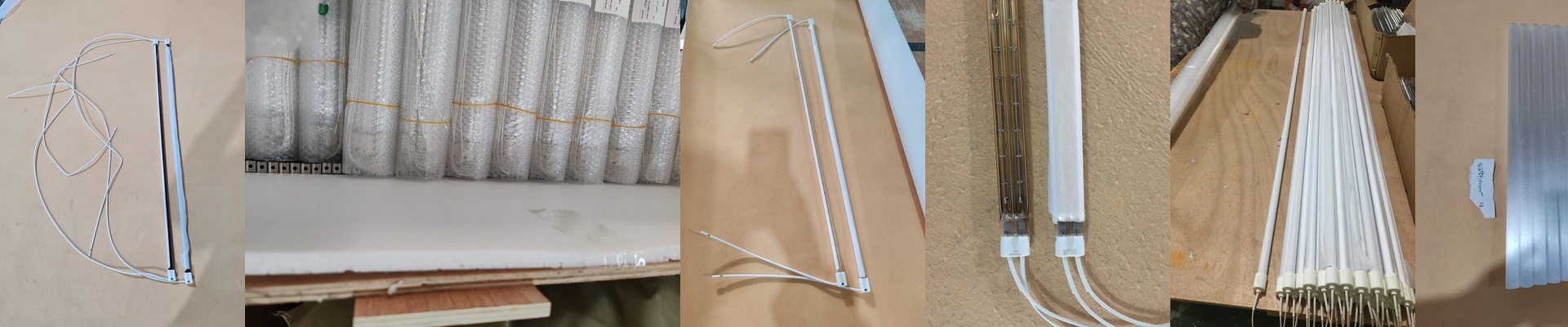
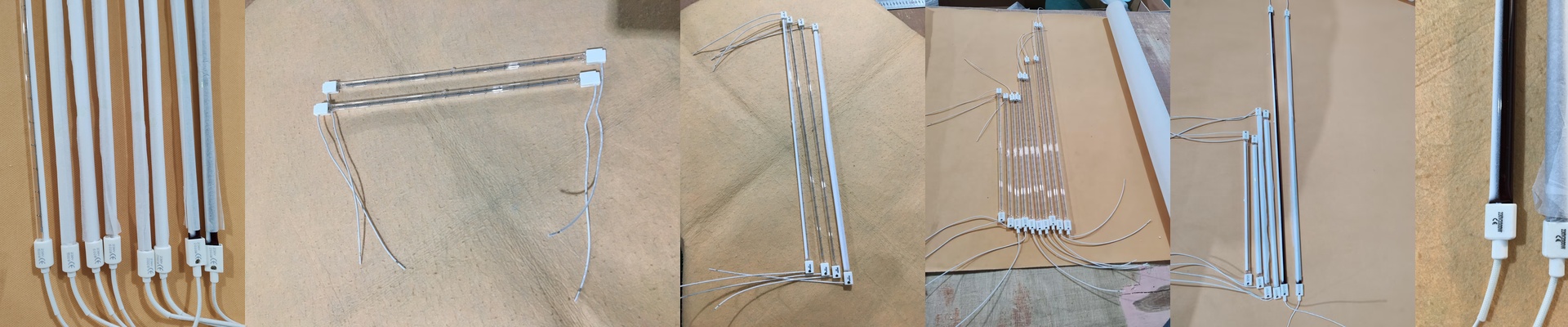
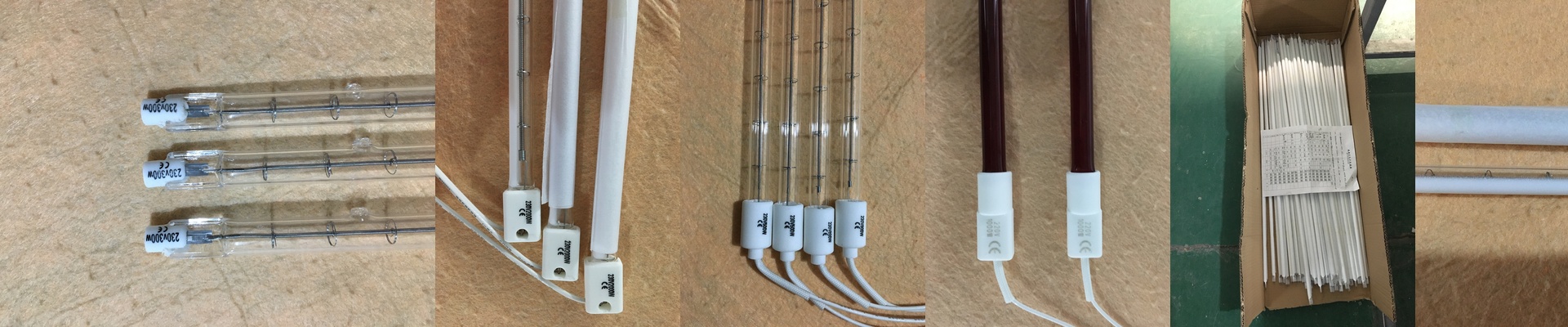
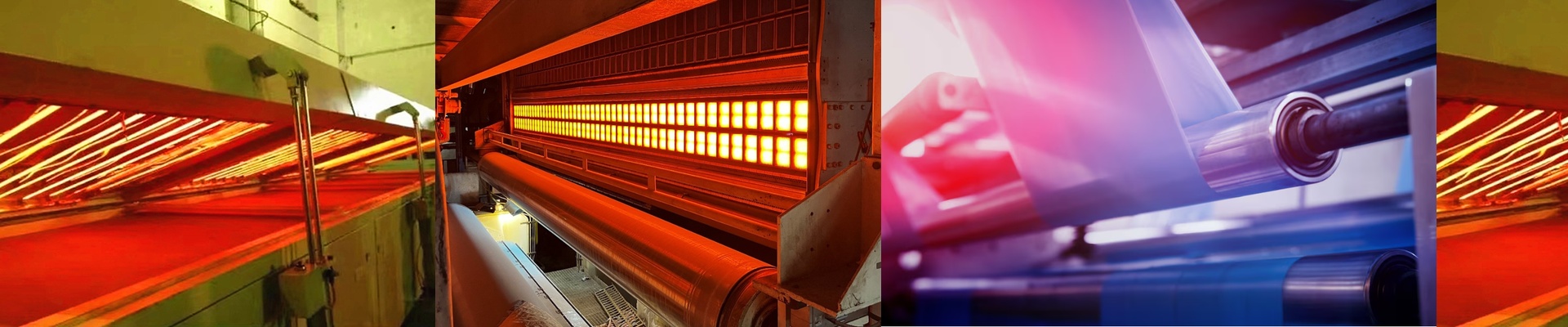
If you’re working with high-end carbon fiber, you already know the struggle. You need a thermal profile that’s spot on. If it’s off by a bit, you either ruin the resin or end up with a part that isn’t structurally sound. That’s why we build our custom IR lamps the way we do—specifically for those fast curing cycles you need for aerospace or automotive parts. Let’s talk about heat. To get a fast cure, you need serious heat density. We pack a lot of wattage into every centimeter to make sure the heat actually reaches the deep layers of the composite. But here’s the thing: when you push for that kind of speed, your power draw spikes. You’ve got to make sure your wiring and power supply can actually handle the load. If they can’t, you’ll get voltage drops. That leads to “cold spots” across your fabric, and nobody wants to pull a part out of the mold only to find it didn’t cure evenly. Why shortwave IR? We stick with shortwave IR because it actually gets into the material. Other options—like medium or longwave—tend to just sit on the surface. You end up with the “skin effect,” where the top layer is scorched but the core is still wet. It’s a nightmare. Our quartz envelopes are built to take a beating from thermal shock. Plus, we use specialized coatings to tune the wavelength. This ensures the resin absorbs the energy instead of the carbon fibers just bouncing it back. The trade-offs (because there are always some). These lamps are designed to drop right into your existing setup, but they runhot. Like, really hot. Because the output is so intense, the housing takes a hit. You’ll need a solid active cooling system for the reflectors and a precise PID controller so you don’t overshoot your temperature. If your cooling is too weak, you’re looking at warped jigs or lamps that burn out way too soon. We’ll give you the exact wattage and voltage specs you need. That way, you can wire everything into your control cabinet and get to work without blowing a fuse.