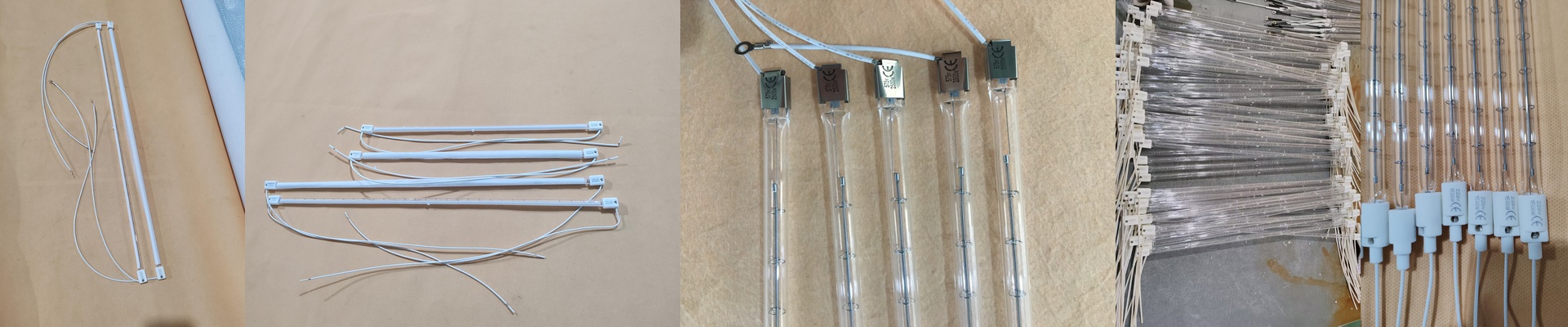
Why We Insist on 99.99% Pure Quartz for Textile IR Lamps
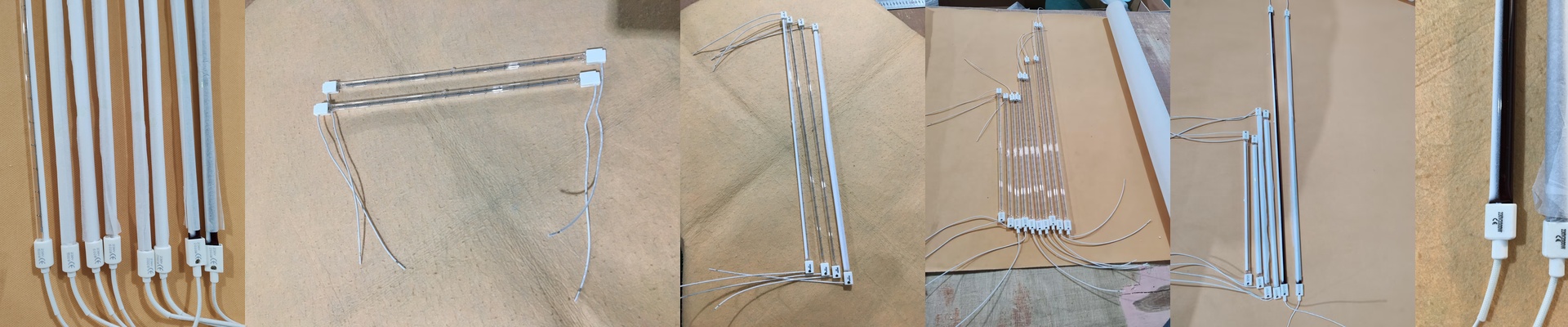
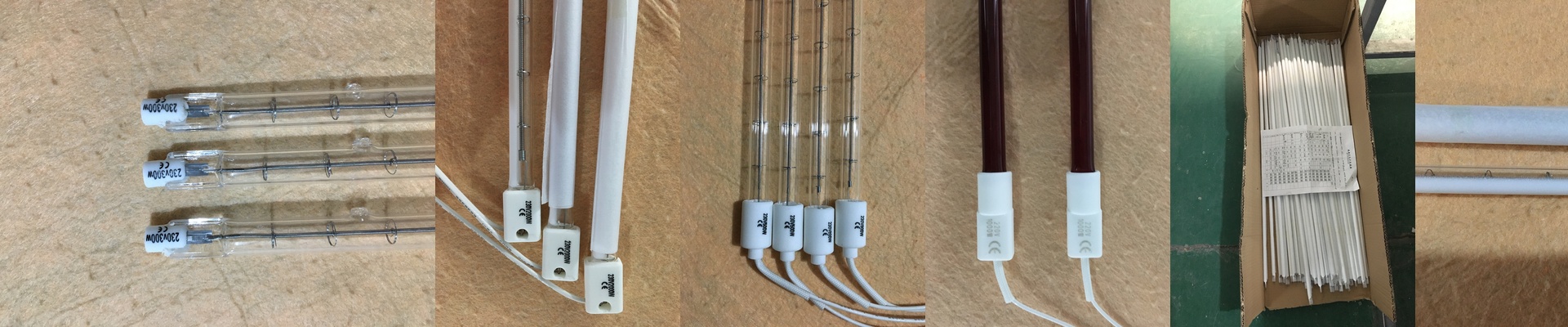
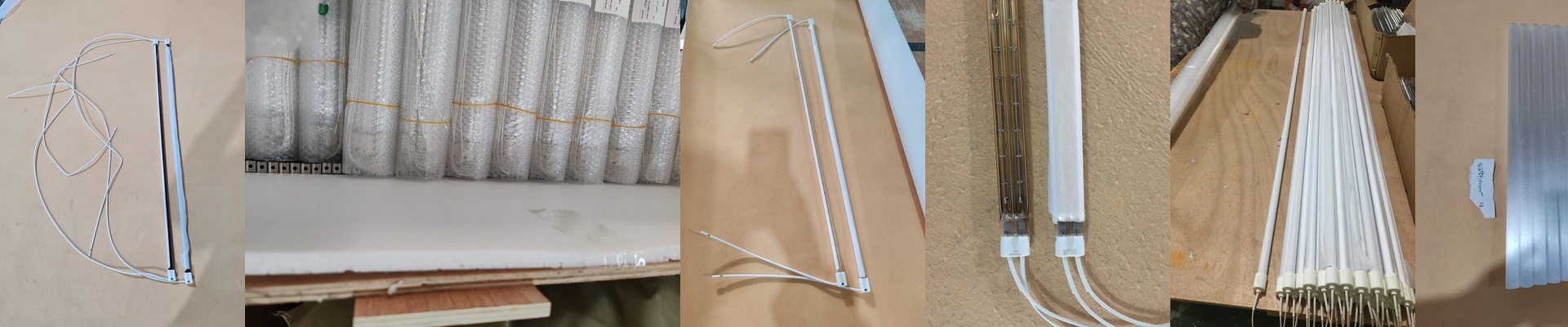
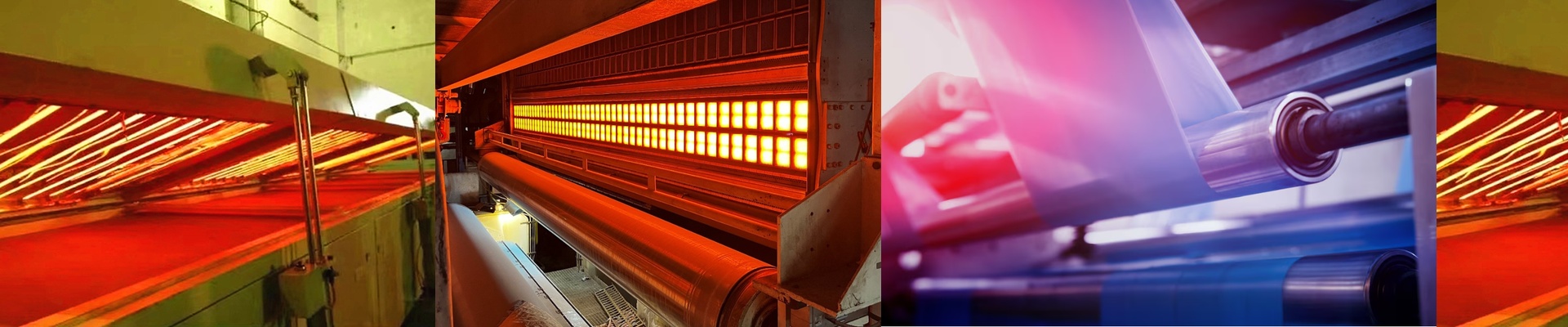
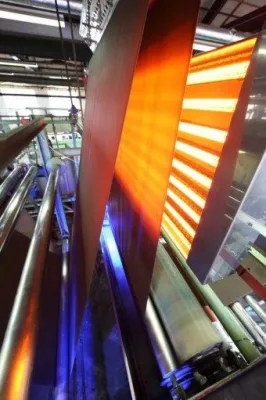
When you’re curing or drying textiles, it’s easy to think of the glass tube as just a protective shell for the filament. But in reality, that glass is acting as a filter. If you use standard glass, you’re basically putting a wall between your heat and your fabric. We use high-purity synthetic quartz because it actually lets the infrared wavelengths get through, even when you’re dealing with thick, heavy materials. Let’s talk about the physics for a second. The purity of the quartz determines how much energy actually hits your fabric. When we hit that 99.99% mark, we’re stripping out metallic impurities like iron and titanium. Why does that matter? Because those impurities soak up the IR radiation. Instead of the heat heading toward your product, it gets trapped in the glass. The tube gets hot, but your fabric doesn’t. Cheap quartz creates a bottleneck. High-purity quartz opens the floodgates. You get more heat into the fiber while using less power. It’s just more efficient. Then there’s the stress test. Textile lines are brutal. They run hot, and they’re constantly cycling on and off. Pure quartz handles this beautifully because it barely expands when it heats up. It doesn’t panic when you hit it with a sudden surge of power. I’ve seen plenty of lower-grade tubes shatter or burn out during these cycles. Those little impurities create “hot spots” in the glass wall, and eventually, the glass just gives up. A quick heads-up on the trade-off. Here’s the catch: high-purity quartz is chemically stable, but it’s a bit of a diva when it comes to cleanliness. If your shop floor is full of airborne oils or salts, those contaminants can bake right into the surface. This creates a film that blocks the heat and can kill your tube way faster than it should. You’ve got to keep them clean to keep the energy flowing. We build these lamps to handle the intense heat density you need for industrial fabric setting. Just make sure your purity levels match your speed. If you’re running high-speed lines, standard quartz is just going to let you down.