Stop Letting Steam Kill Your IR Lamps
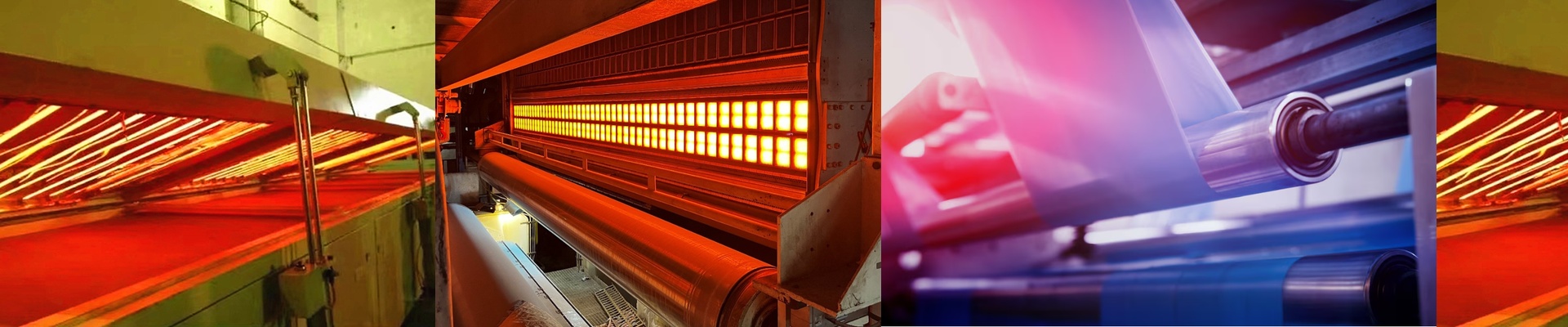
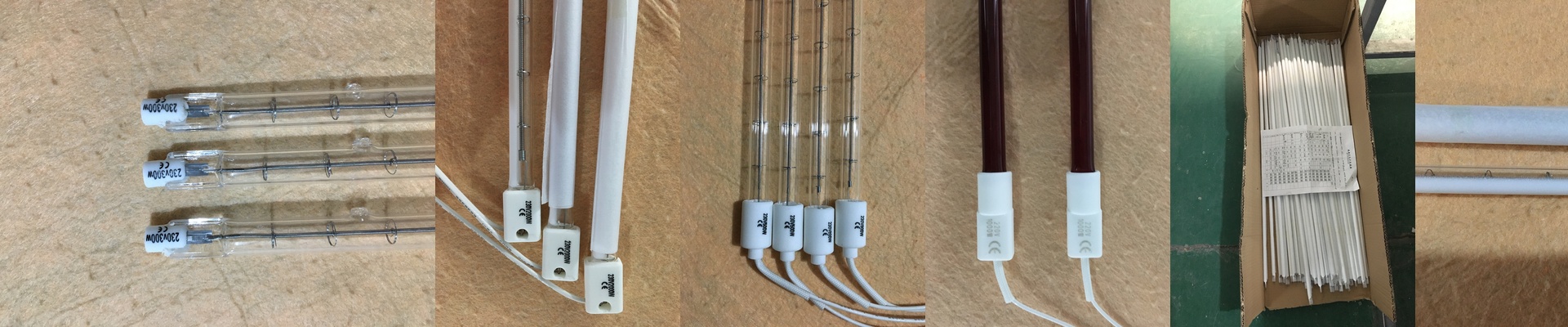
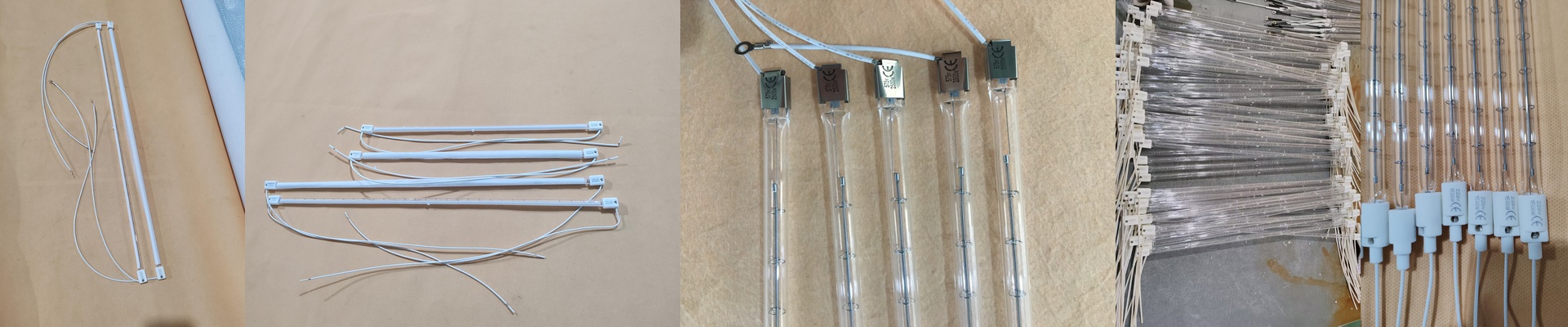
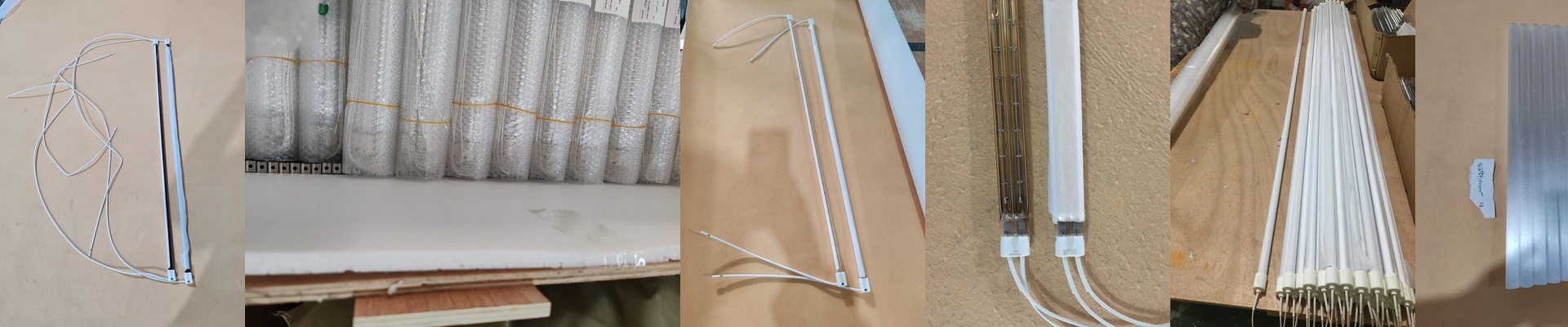
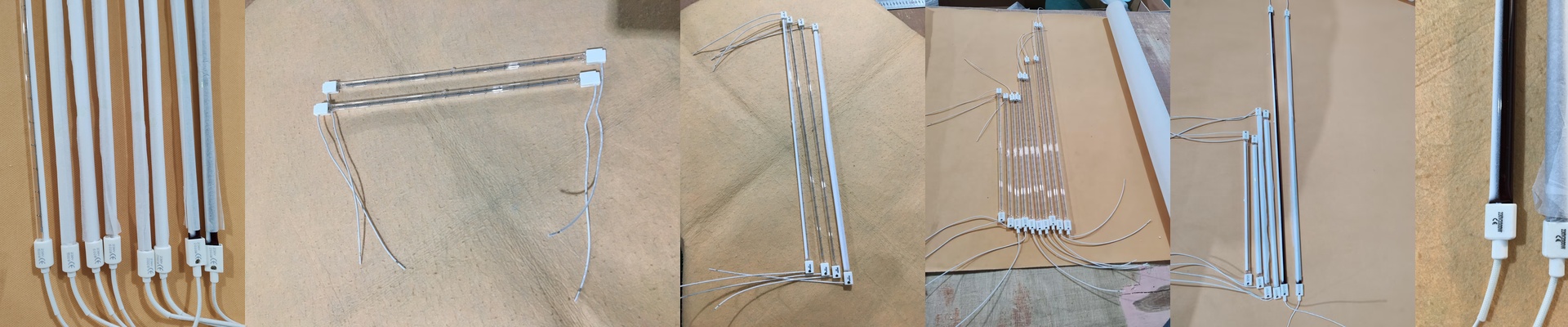
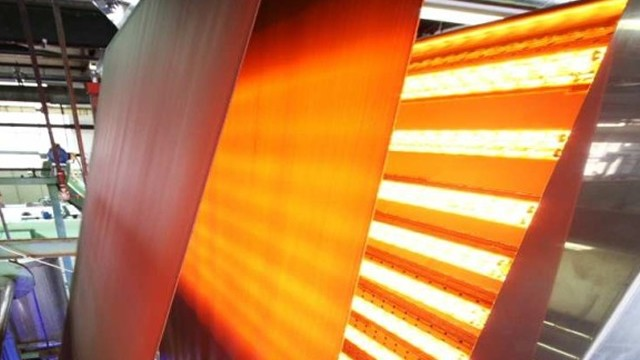
If you’ve ever run a fabric drying line, you know the struggle. As soon as that water starts evaporating, you’re not just drying cloth—you’re creating a thick, heavy cloud of steam. For an infrared lamp, that vapor is a nightmare. It doesn’t just get in the way of the heat; it actually settles right on the quartz envelope. Here is the real problem: when a drop of moisture hits a scorching hot tube, it creates a “cold spot.” That sudden temperature swing puts a massive amount of stress on the glass. Do that enough times, and the quartz cracks or the filament just gives up. It’s a frustrating cycle of burnout and replacement. We decided to fix this by rethinking the heating module entirely. Instead of leaving the lamp exposed, we tucked the heating element into a protected housing that actually manages the airflow. Think of it as a shield. It keeps the vapor from just sitting there and stagnating on the surface of the tube. While most lamps just blast heat and hope for the best, our setup pushes the moisture away from the danger zone. No more “water spotting” on your quartz. Just steady, reliable heat. Now, there are a couple of things to keep in mind before you swap your gear. Because of that shielding, the modules are a bit larger. You can’t just slide them into an old, cramped chassis without checking your space first. Also, the shield changes how the heat radiates a little bit. You might find you need to tweak the distance between the lamp and the fabric to get your drying speed exactly where you want it. But the payoff is worth it. You can finally stop swapping out tubes every few months. The filament stays protected, and your heat output stays flat and stable, even when the fabric is releasing massive amounts of steam. Pair it with a decent PID controller so you don’t scorch your textiles, and you’ve got a system that actually lets you focus on the work instead of the maintenance.