Getting Your IR Heating Right: It’s All About the Wavelength
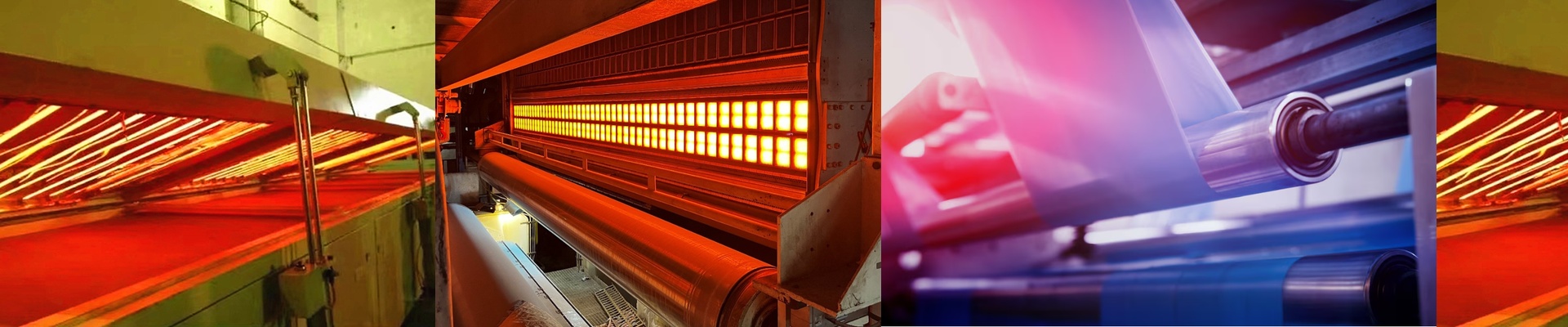
When you’re drying or curing textiles, just cranking up the heat isn’t the answer. It’s not about raw power; it’s about the kind of heat you’re using. Think of it like a lock and key. If the wavelength of your lamp doesn’t match the fabric or the chemicals you’re using, the energy just bounces off. You end up wasting power and, worse, you risk scorching the surface of your material while the inside stays damp.
The Secret is in the Spectrum
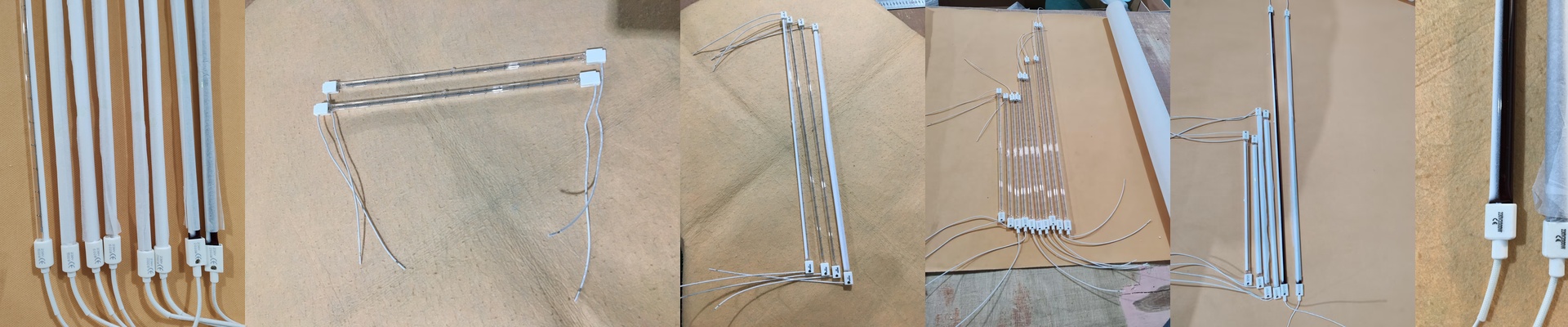
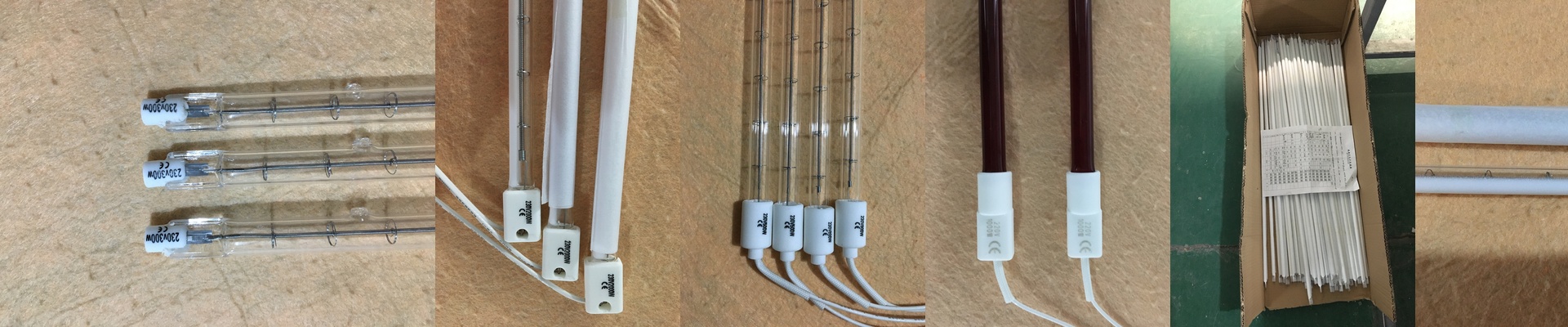
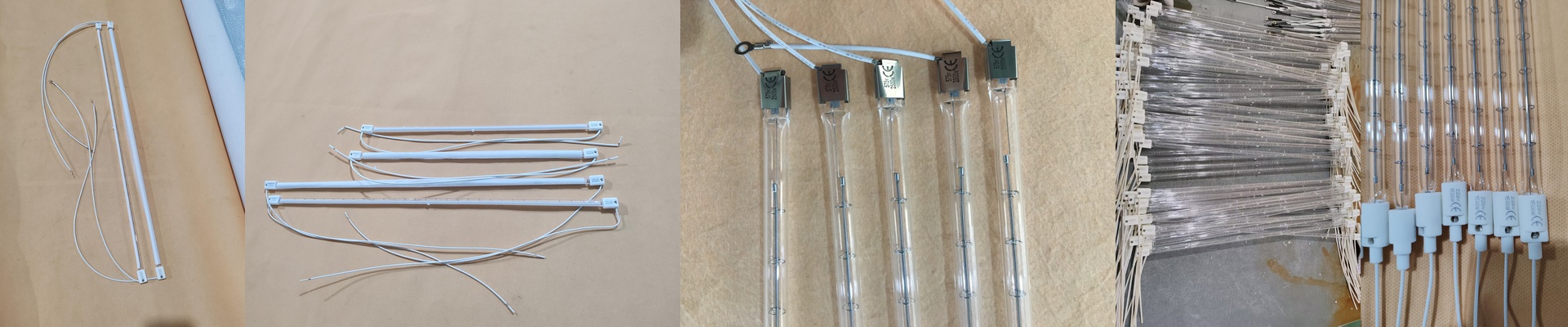
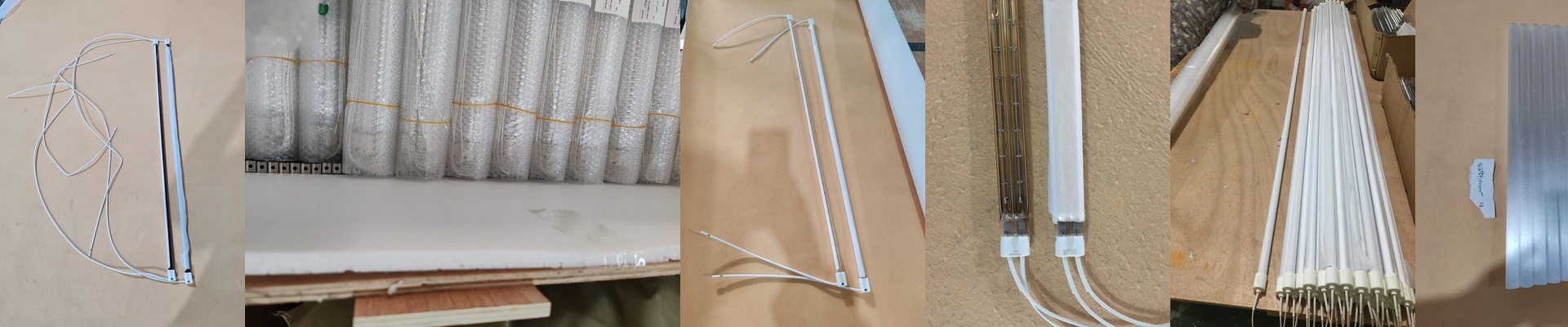
We don’t just make “lamps.” We build them to hit very specific bands of the infrared spectrum. By tweaking the filament and the quartz glass, we shift where that energy peaks. The goal? To make sure the heat actually sinks deep into the fibers instead of just warming up the air around the machine. We test every single tube in our lab to make sure the output is steady from one end to the other. No surprises.
The Hardware Side of Things
We use high-purity quartz because these things go through a lot. They heat up and cool down fast, and that puts a huge strain on the materials. We also obsess over the voltage and wattage pairings. Why? Because “hot spots” are the enemy. One uneven patch of heat can burn a hole right through your fabric. **One quick tip:**Make sure your power supplies actually match our specs. If the voltage is off, you’ll either get a weak heat or you’ll fry the filament way sooner than you should.
Making It Work in Your Shop
We use standard connectors, so these should just slide right into your existing setup. No need to spend hours rewiring the factory floor. But here is the catch: high-intensity IR puts out a massive amount of radiant heat. If your machine’s housing isn’t vented properly or doesn’t have good shielding, you’re going to have a problem. If the reflectors get too hot and can’t breathe, the lamps won’t last nearly as long. To make things easy, we send over certification data with every batch. That way, you know exactly what kind of heat you’re getting the second you flip the switch.