
The Truth About Countertop Powder Coating Heaters
When you’re curing polymers on a countertop, it all comes down to how you handle infrared (IR) energy. You want the coating to set perfectly without cooking the part underneath. We didn’t build our units to chase a fancy brand name; we built them to handle the actual physics of heat.
Getting the Heat Just Right
To make a small-scale heater actually work, you need a lot of power packed into a tight space. We obsess over the “ramp-up”—that window of time where the powder melts and bonds together. If your wattage is too low, you end up with that annoying “orange peel” texture. But if you crank it too high? You’ll burn the finish right off. We’ve spent a lot of time balancing the voltage so the heat sinks deep into the coating without scorching the surface.
The Guts of the Machine
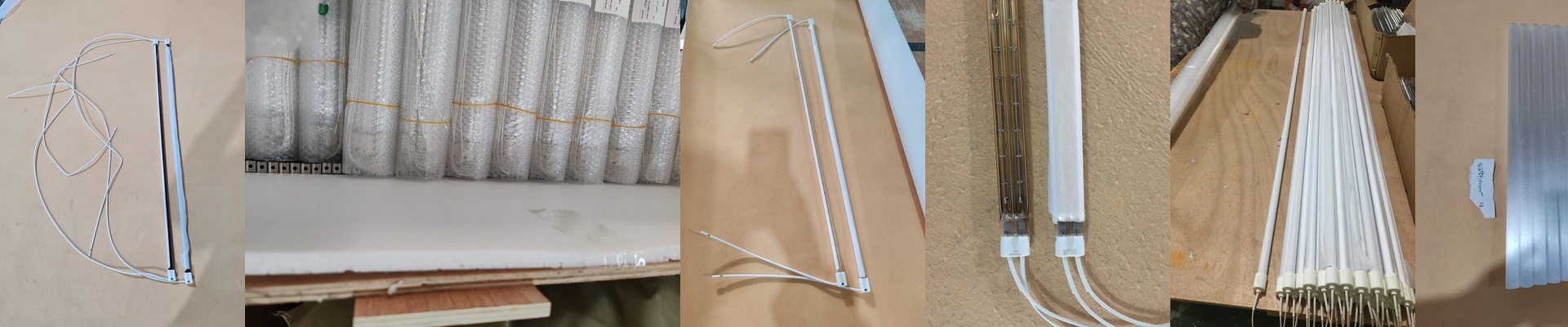
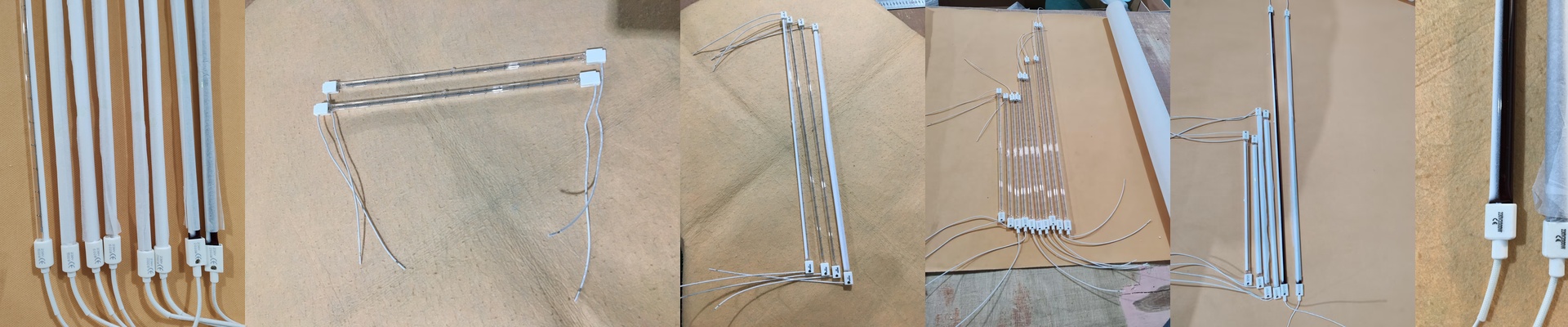
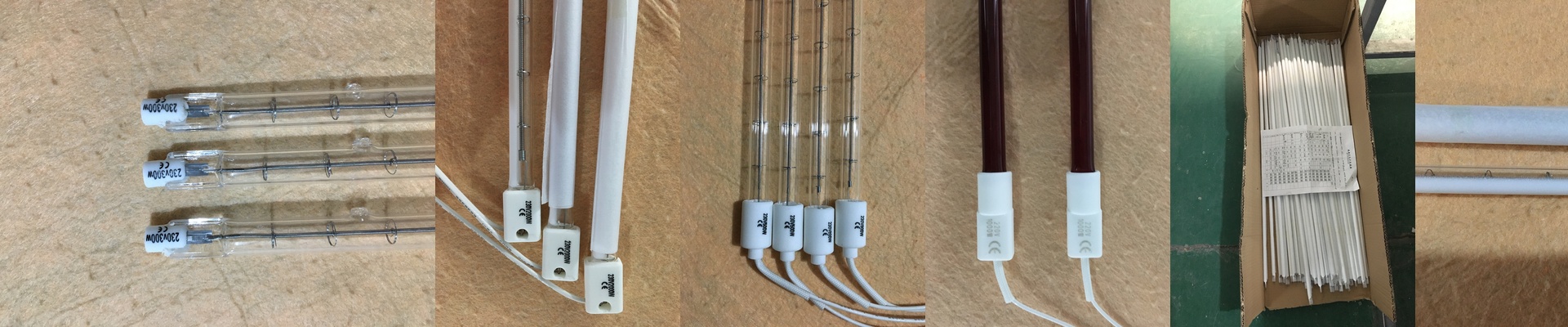
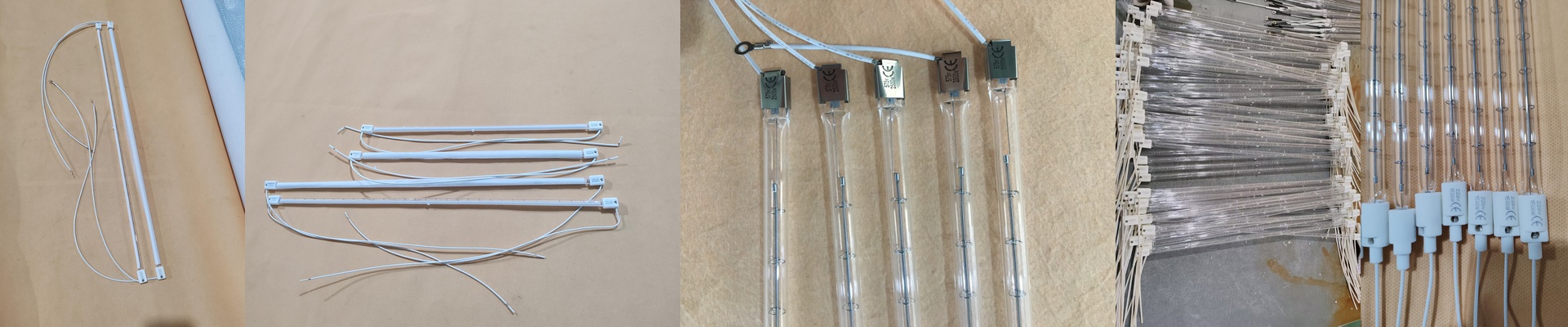
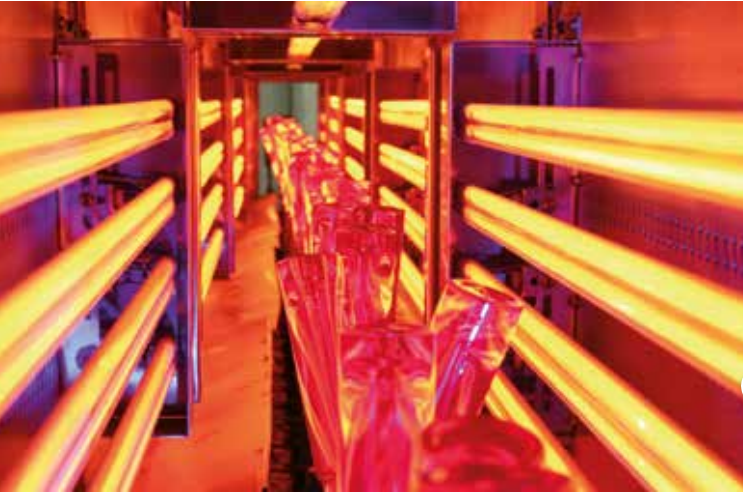
We use high-purity quartz tubes. Why? Because they can handle being turned on and off rapidly without cracking. Cheaper glass just can’t take that kind of thermal shock. We also stick with short-wave IR emitters. Instead of wasting time heating up the air around the part, short-wave energy hits the workpiece directly. It’s fast. Really fast. And that changes how your whole day flows. Then there are the connectors. Most cheap heaters use flimsy parts that oxidize or wiggle loose as they heat up and cool down. That’s how you get “arc-out” failures. We use heavy-duty terminals that stay put, no matter how many cycles you run.
A Few Things to Keep in Mind
Here’s the thing: putting this much power into a small box creates a lot of heat. First, check your shop’s wiring. These aren’t like plugging in a lamp; they pull a serious amount of power at peak draw. Also, the chassis is going to get hot. Give the unit some breathing room or set up some venting. If you tuck it into a tight corner, you’re basically asking the electronics to cook themselves. We basically took the expensive imports, stripped away the marketing fluff, and focused on the quartz and the wiring. It’s a straightforward tool that just works.