Stop Wasting Heat: A Real Talk on Retrofitting Your Powder Coating Ovens
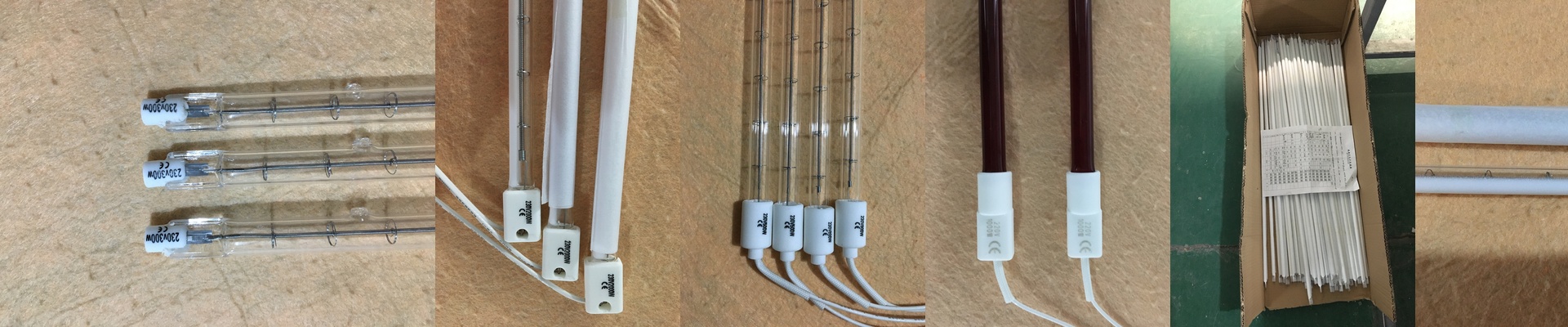
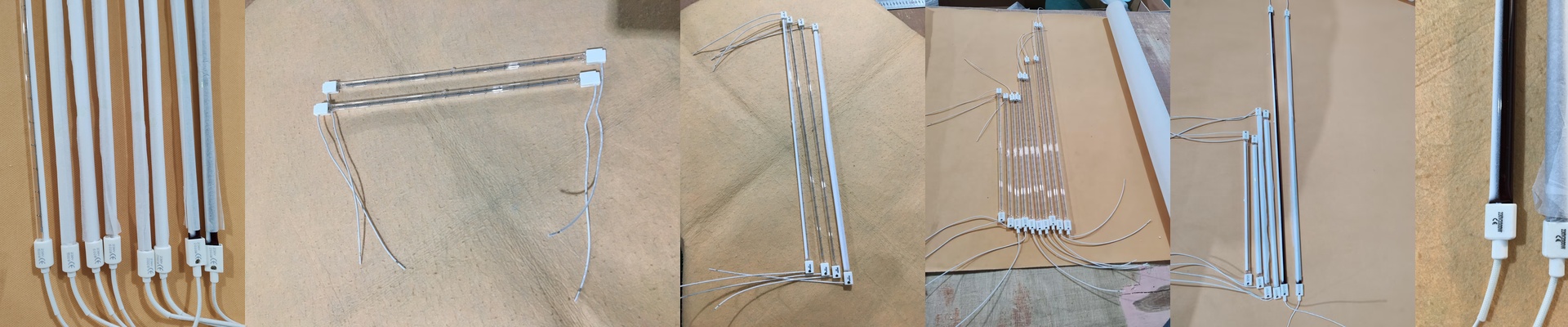
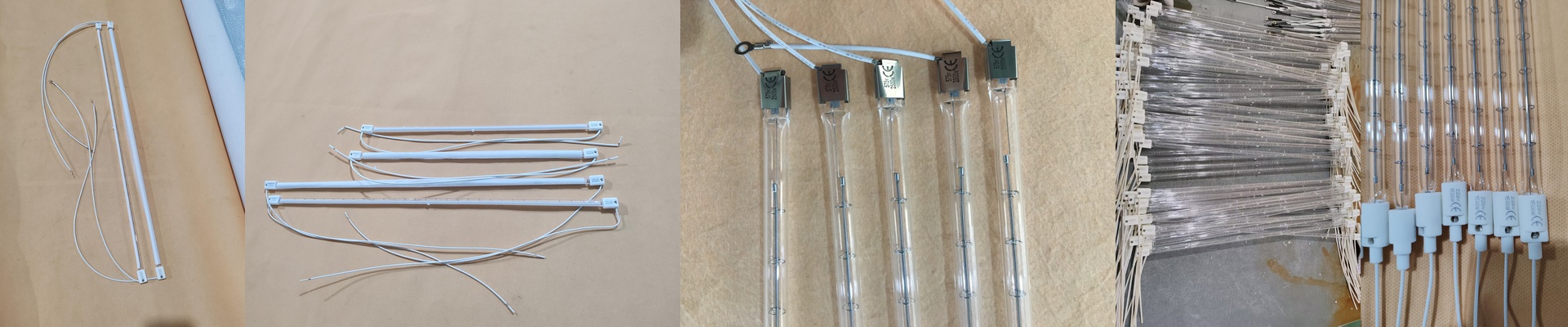
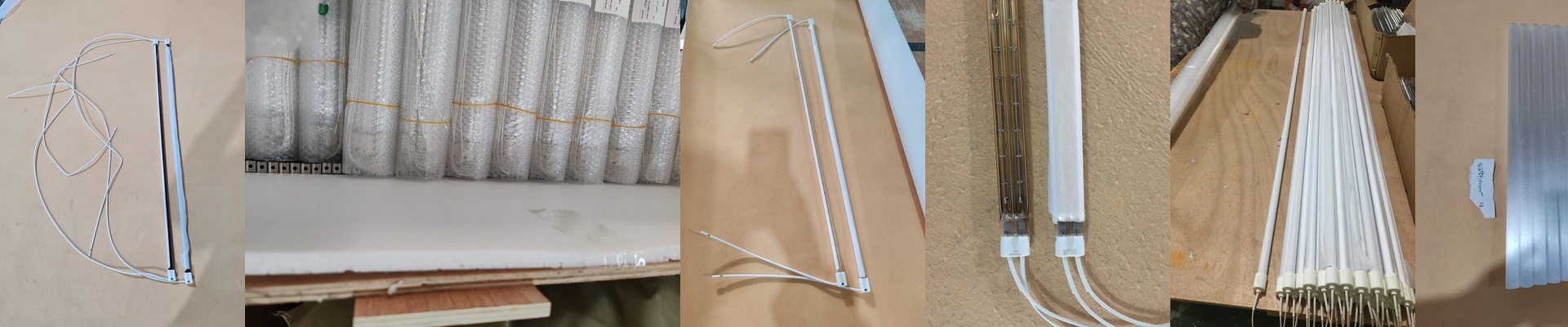
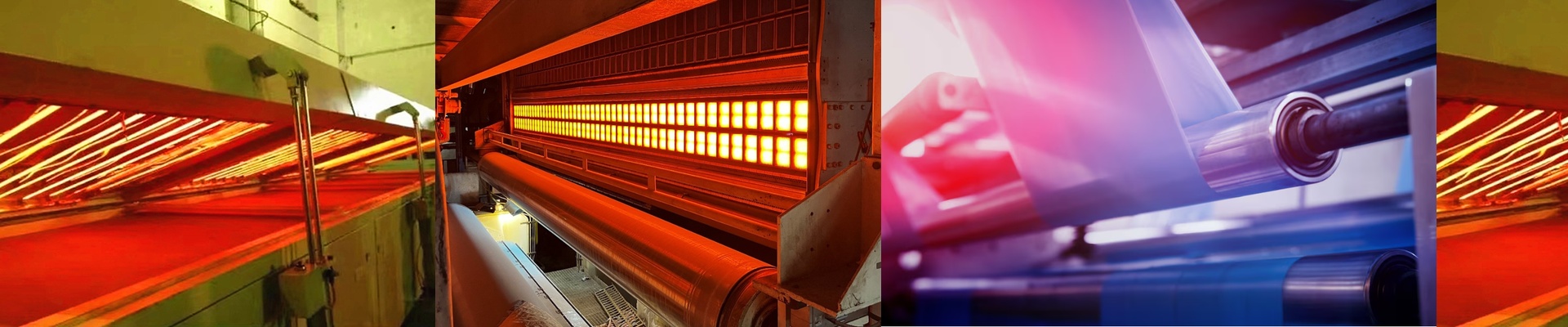
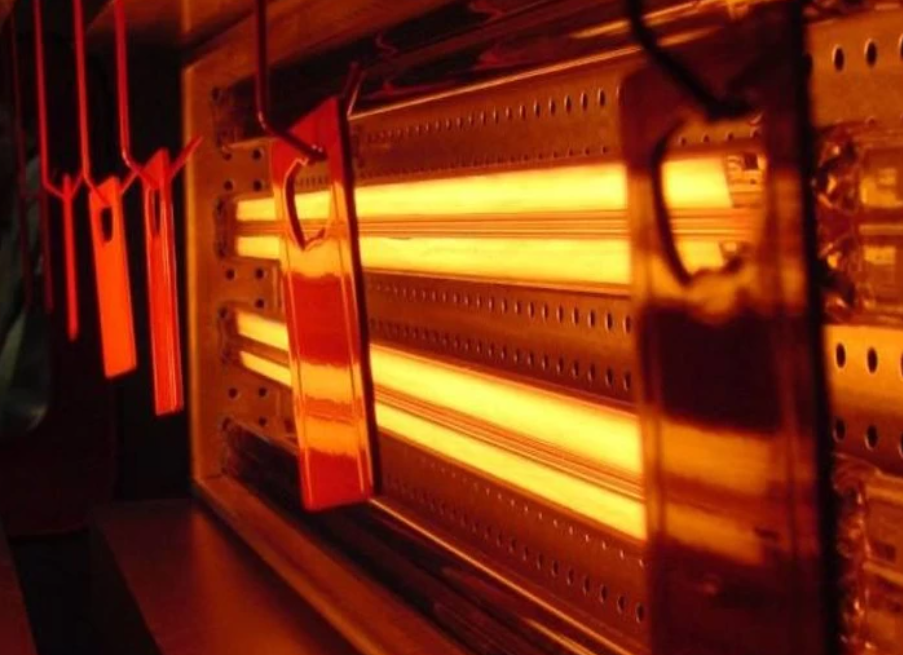
Here is the truth about old powder coating lines: swapping out your heating elements isn’t some magic trick. You can’t just slide in a few new infrared (IR) tubes and expect your productivity to skyrocket if your oven shell is basically a sieve. Let’s talk about IR elements. Switching to short-wave or medium-wave IR changes the whole game. Old-school convection ovens waste time heating up the air first. IR is different. It hits the part directly. The result? Your parts ramp up faster and your curing cycles shrink. If you go with high-density IR tubes, you get a much tighter, more reliable thermal profile. But there’s a catch. Those high-wattage elements pull a lot of power. Before you order anything, go check your electrical panels. If your wiring can’t handle the draw, you’re just asking for a blown fuse or something worse. But wait—the heater isn’t the only problem. A fancy new IR element is pretty much useless if your oven walls are thin or the mineral wool has packed down over the years. In these old machines, the insulation usually degrades or sucks up moisture, which kills its ability to hold heat. Most of the energy you’re paying for is actually leaking out through the door seals and the joints. If you want this retrofit to actually work, you’ve got to do both. Pair the IR upgrade with high-temp ceramic fiber blankets or reinforced rock wool. This keeps the heat where it belongs—inside the chamber—instead of turning the outside of your oven into a giant radiator that heats up your entire shop floor. What this actually does for your day When you fix the insulation and upgrade the elements at the same time, you’ll notice the “soak time” drops. The powder flows and cures faster, and you get a finish that looks the same across the whole part. Just a heads-up: if you crank up the heat density inside the oven but forget to check your exhaust fans, you might actually overheat the structural steel of the oven itself. Keep it balanced. Match your heat input to what the shell can actually handle.