Stop Guessing if Your Heater is Actually Working
Most countertop powder coating heaters are pretty basic. They use a PID loop—you set a temp, the elements kick on, and they stay on until the sensor says they’ve hit the mark. Simple, right? Until it isn’t. The real headache starts when a heating element burns out or a sensor starts drifting. You don’t even notice it’s happening. You just keep cranking out parts, only to realize later that you’ve got a whole batch of under-cured scrap on your hands. It’s a nightmare. That’s why we’re moving toward systems that actually keep an eye on their own electrical health in real-time.
Getting the Heat in Faster
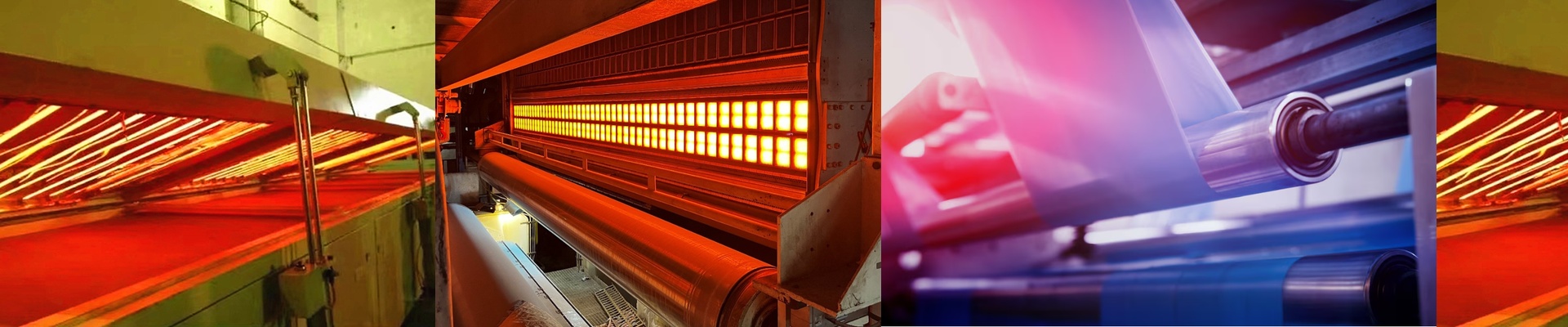
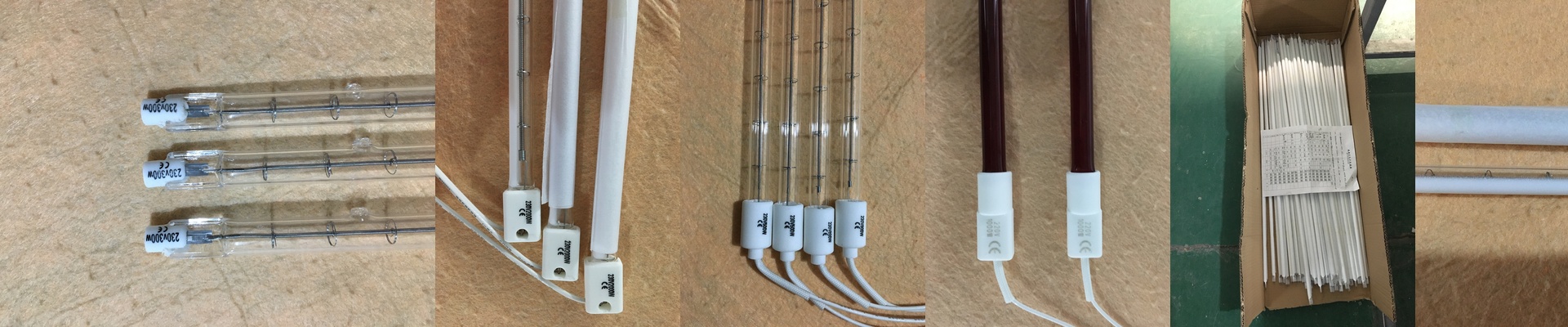
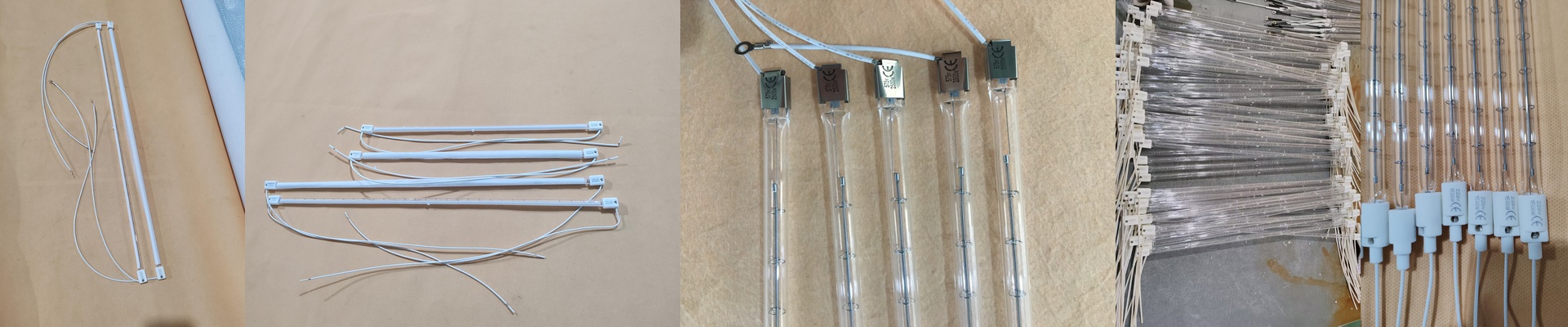
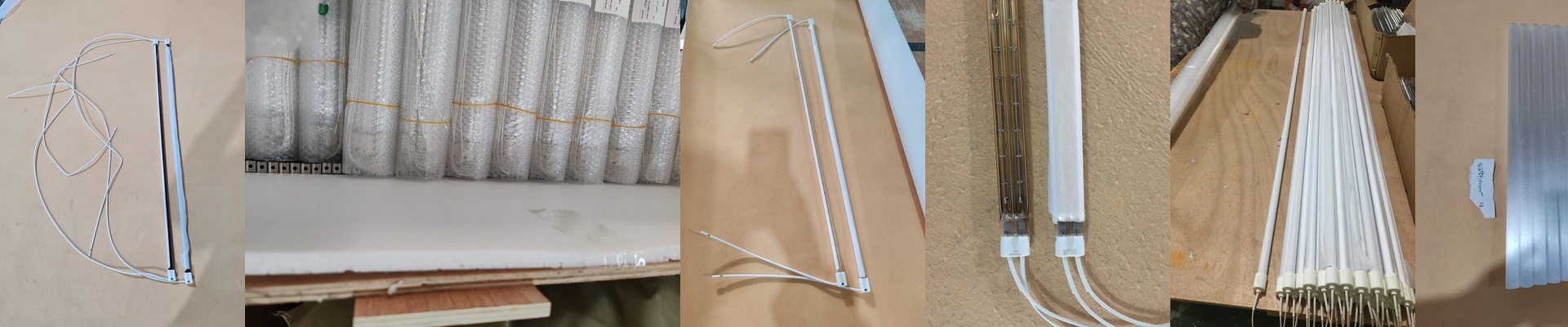
We’ve stepped away from those generic resistive coils. Instead, we’re using shortwave infrared emitters. The goal here is speed. By packing more wattage into a smaller space, we can get the heat into the metal much faster. Your cure cycles get shorter, and the machine takes up less room in your shop. Just a heads-up: because this setup is so intense, you can’t skimp on ventilation. If you don’t let the chassis breathe, you risk warping the frame.
No More Guesswork
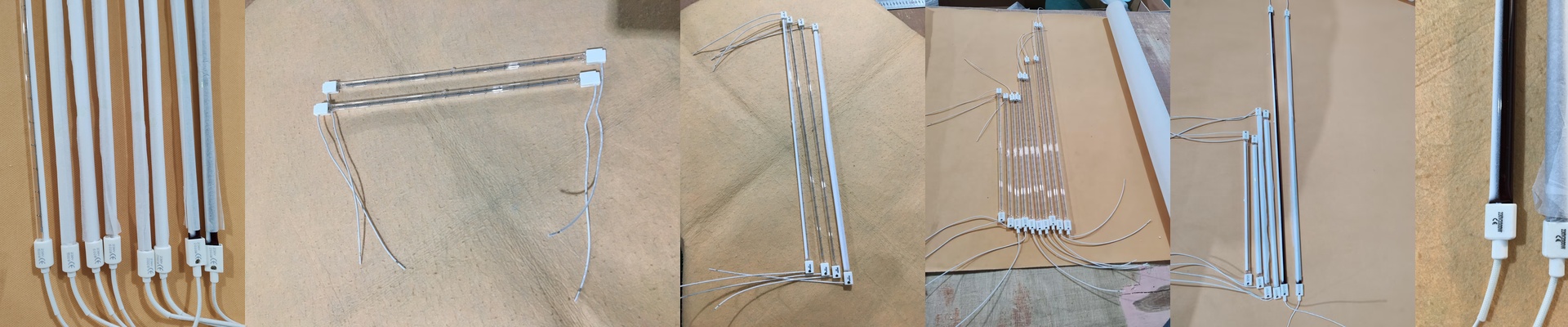
A system that “diagnoses itself” isn’t just watching the temperature. It’s watching the current. We’ve added shunt resistors and Hall-effect sensors to track exactly how many amps each heating zone is pulling. If a lamp dies, the system catches that drop in power instantly. It flags the exact zone on the screen before the parts even have a chance to cool down. No more wondering why the finish looks off. You just stop the line, swap the lamp, and get back to work.
The Trade-off
Now, let’s be honest: adding this kind of intelligence makes the wiring a bit more complex. You can’t just plug this into a basic contactor. You’ll need a PLC or a smart controller to handle all that data. Yes, it costs more upfront. But think about the “hidden failure” window. That’s the time where you’re producing junk for hours without knowing it. For a lot of shops, one bad batch costs way more than the entire upgrade. It’s just a smarter way to run the line.