Introduction
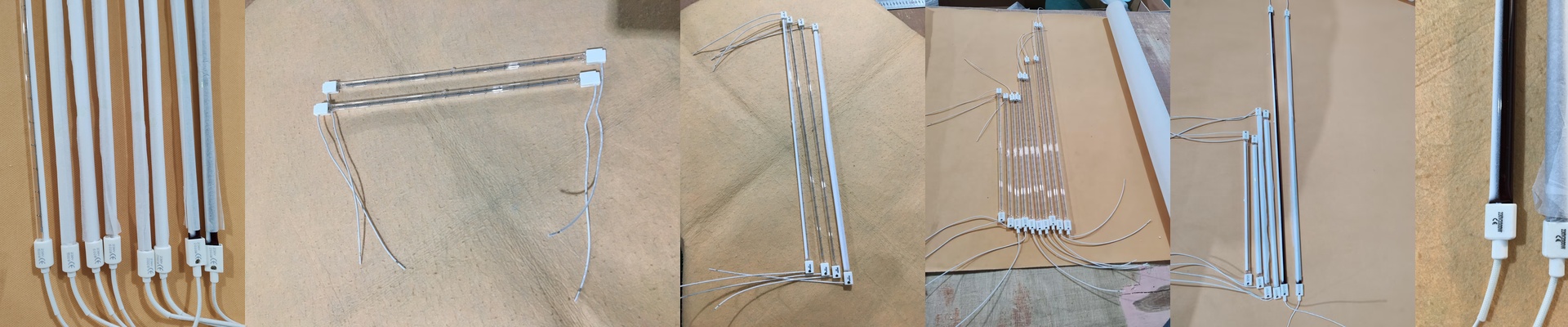
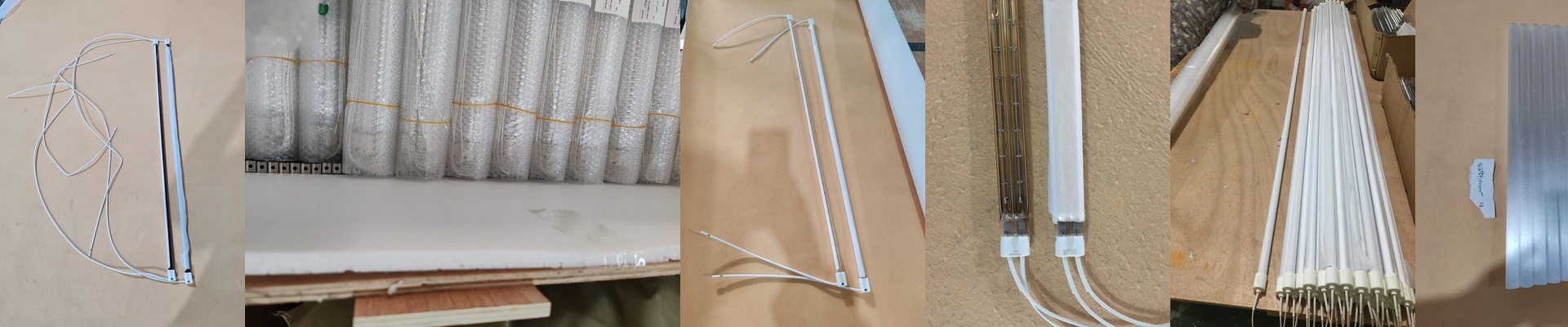
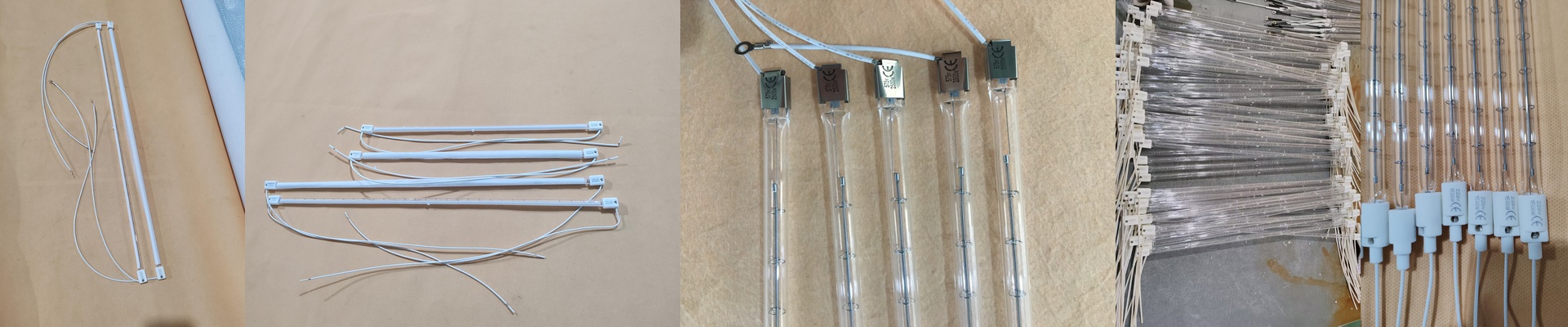
Let’s talk about the unsung heroes of industrial heating: quartz halogen infrared heaters. These aren’t just bulbs. They’re workhorses. They’re the go-to solution when you need heat, and you need it fast—right where you want it. They slide right into your existing equipment, ready to get to work without any fuss or re-engineering.
The Specs, Plain and Simple
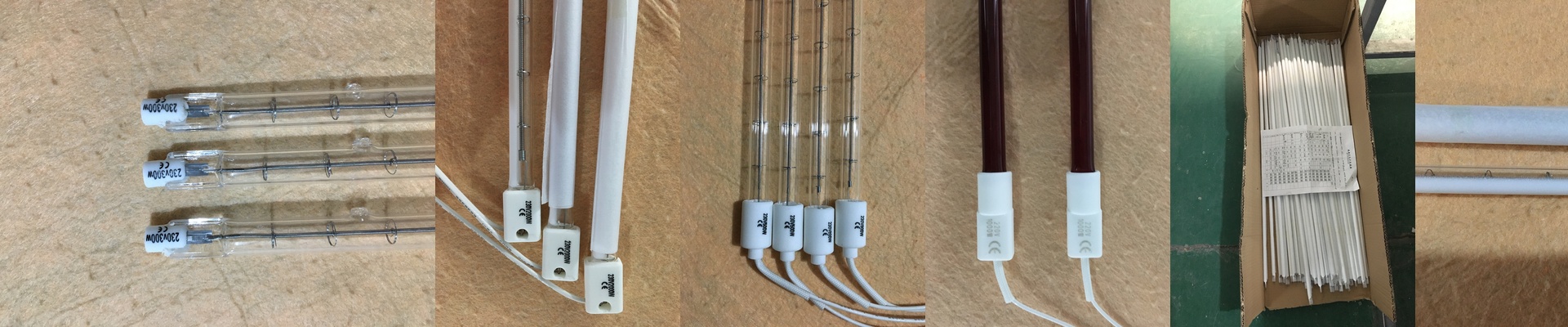
Here’s the thing about these heaters—they’re built for a specific job. Voltage? We match it to what your facility runs—110V, 220V, or 400V. Wattage? That’s what controls the heat and how quickly you hit your target, anywhere from 500W to a hefty 5000W. And the size? Standardized at 300mm or 500mm long. This isn’t by accident. It’s so they slide perfectly into those tight reflector housings. No modifications needed. Just plug and play.
What Makes Them So Tough?
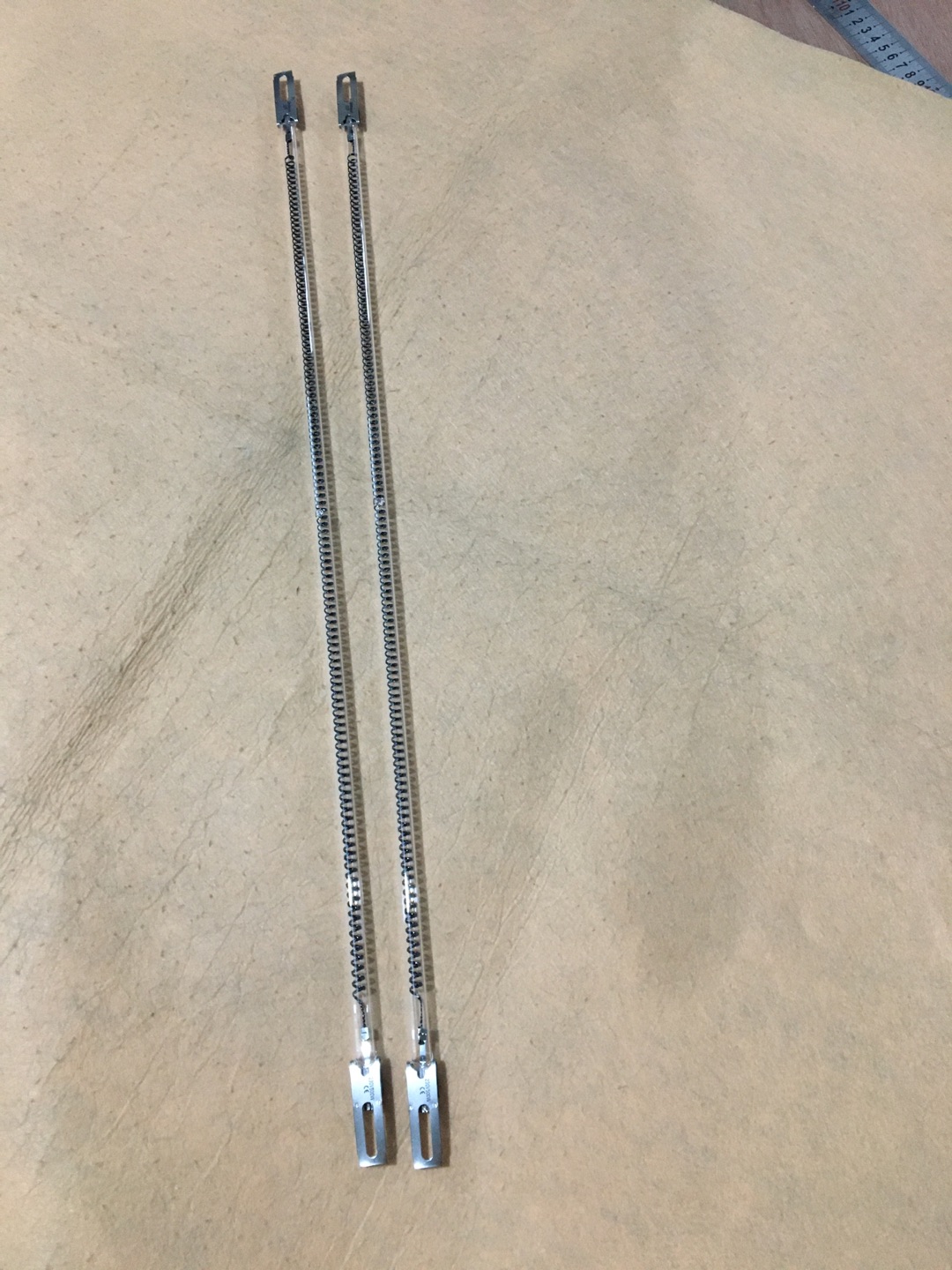
The secret is in the build. The quartz envelope is a must. It takes the extreme heat from the tungsten filament and handles the shock of turning on and off without cracking. Inside, the halogen cycle is quietly doing its thing. It takes evaporated tungsten and puts it back on the filament. This keeps the output steady and stops the bulb from blackening out like a standard lamp. And that R7s base? It’s the industry standard for a reason. It gives you a solid, two-point connection that can handle high current without getting hot under the collar.
Where They Shine
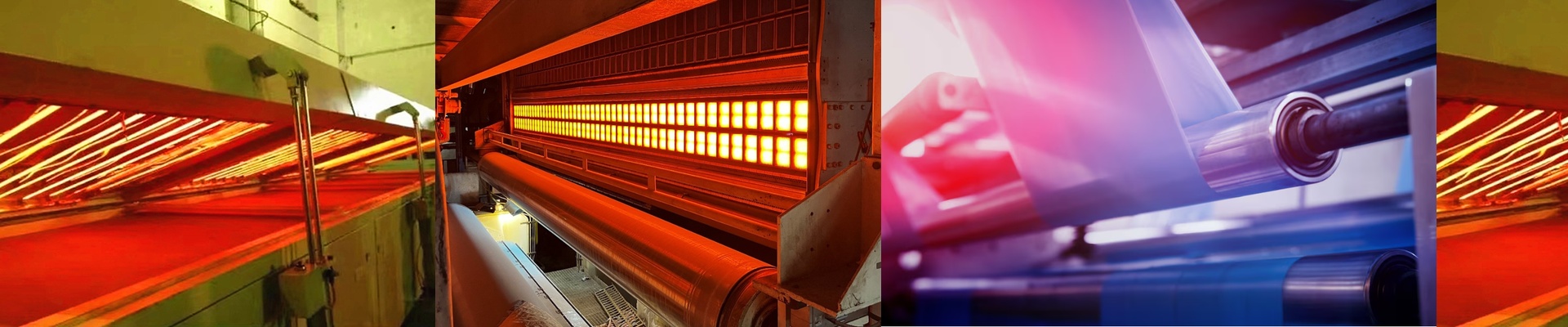
These heaters are the muscle behind industrial processes like plastic welding, PET blowing, and thermoforming. The shortwave infrared energy gets right to the heart of the material, fast. That means you cut down on cycle times. But there’s a trade-off. This kind of intense heat means you’ve got to make sure the surrounding machinery and cooling systems are up to the task. When everything is engineered correctly, you get faster production with way less wasted energy.
The Bottom Line
When you need a replacement, you need one that’s a perfect match. Right down to the connector. Our quartz halogen infrared heaters are built for the grind. They’re tough, they cycle fast, and they fit. They’re designed to keep your line moving, period.