Introduction
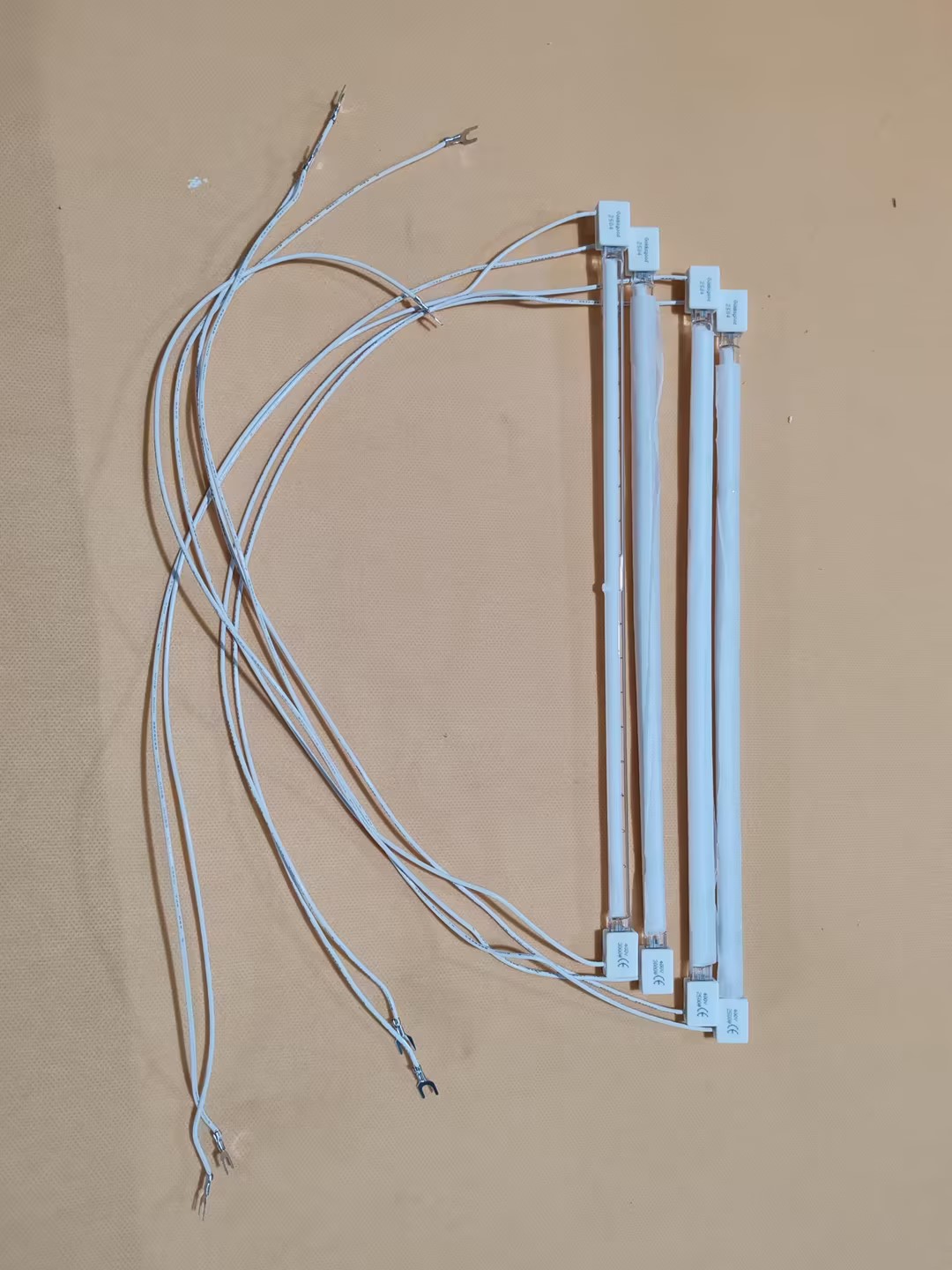
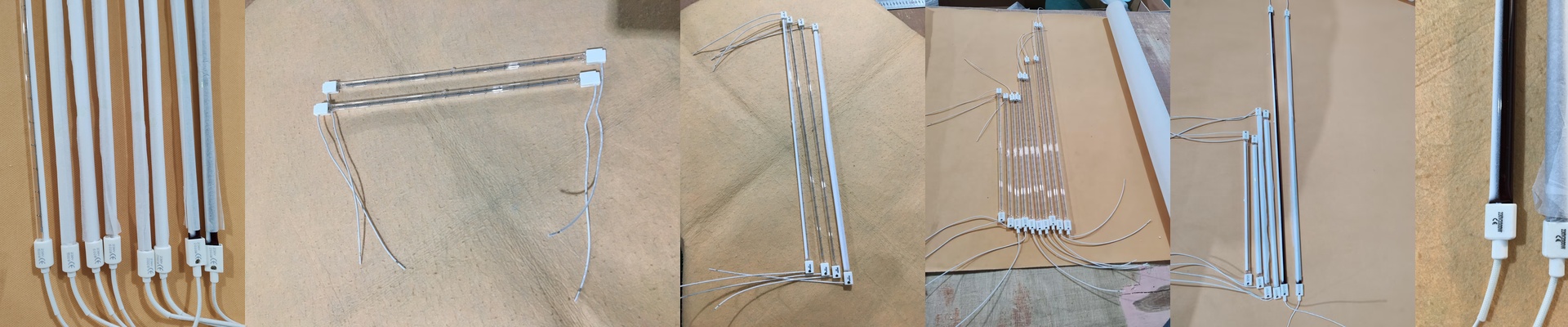
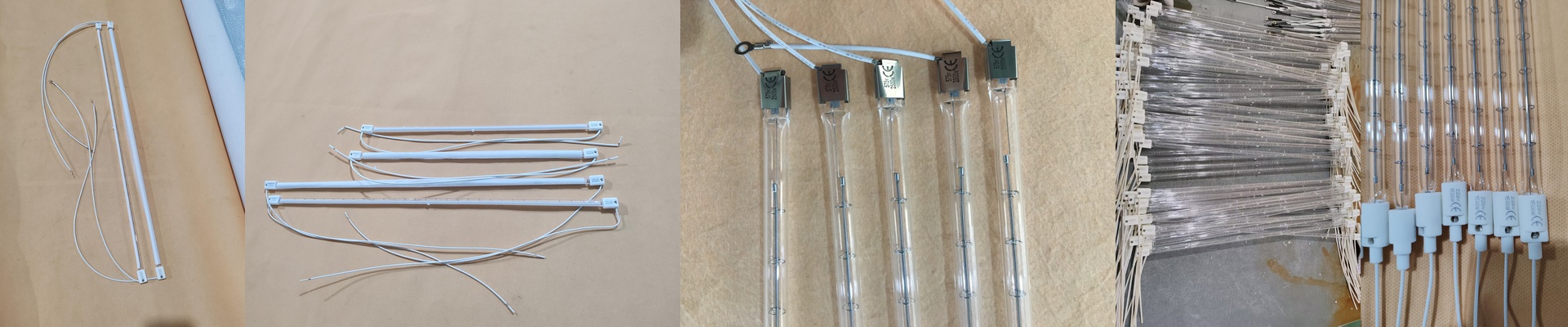
We build the 2500W medium-short wave infrared halogen lamp specifically to run on blow moulding machines. It is not a general-purpose heater. It is a compact, high-intensity radiant source engineered to deliver rapid, localized heat where plastic parisons need precise temperature control. The design targets one thing: getting the heat to the right spot fast, with repeatable performance in a production environment.
Technical Deep-Dive: Power, Voltage, and Geometry
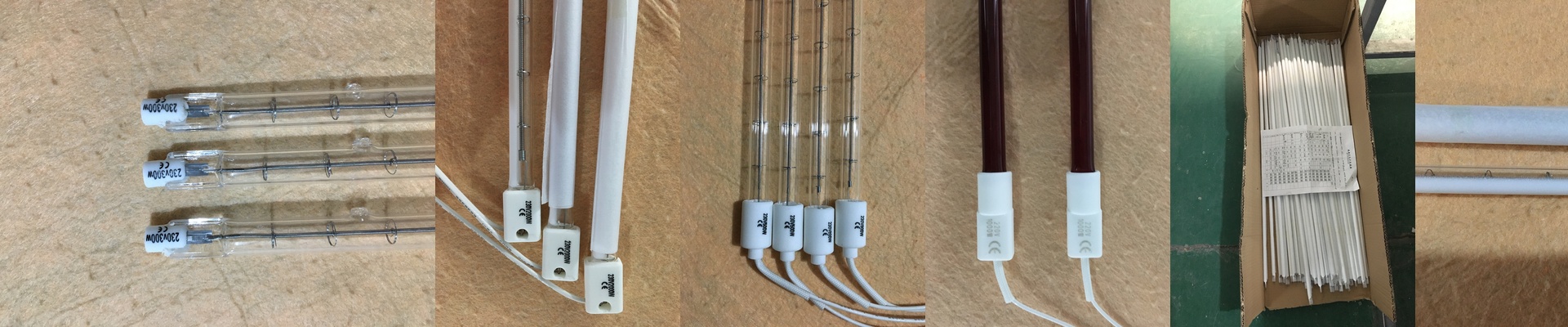
A 2500W rating is chosen to deliver enough heat density to melt PET or HDPE quickly without over-sizing the entire machine. Medium-short wave emission means the output sits in a band that is readily absorbed by plastics, giving you a fast response when the parison passes the heating zone. The lamp is typically specified for 230V or 400V operation. The higher voltage option is useful when you want to keep current lower for a given wattage. Lower current reduces conductor size and eases stress on terminals and contactors, but it does place higher dielectric demands on the insulation and connectors. The tube length is sized to match the blow moulding heating window. You get a focused heating footprint that aligns with the parison geometry, which helps maintain consistent wall thickness during forming. This is a tight fit by design. Packaging the filament, reflector, and terminals into a compact envelope is how we keep the heat concentrated where you need it.
Material and Design: Halogen, Quartz, Coating, and Connectors
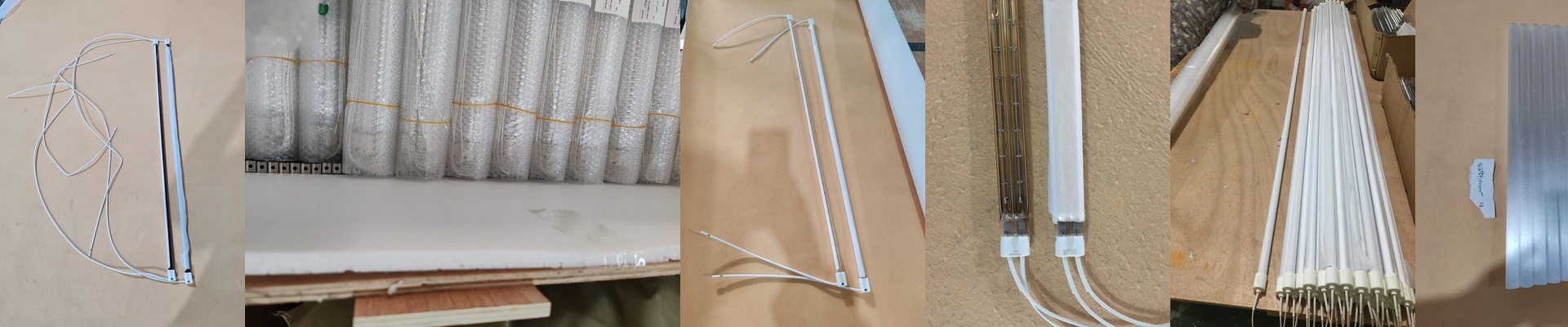
Inside the lamp, a tungsten-halogen cycle keeps the filament stable. The halogen gas suppresses premature burn-out and helps maintain output over the life of the lamp. The envelope is quartz, not regular glass, because it must withstand the high filament temperature and the thermal shock of rapid on/off cycling. We apply a reflective coating on the quartz envelope to direct infrared energy forward, away from the machine frame and wiring. This coating also reduces wasted heat, which can lower the thermal load on nearby components. It is a practical way to improve thermal management without adding bulk. The connector choice matters on the shop floor. R7s is a common, robust ceramic bi-pin that handles high temperatures and provides solid mechanical retention. In some configurations, we spec Sk15 terminals for quick-connect convenience and easier field wiring. Both options are chosen to survive the heat near the heating zone and to make lamp swaps straightforward.
Application and Benefits for Blow Moulding Engineers
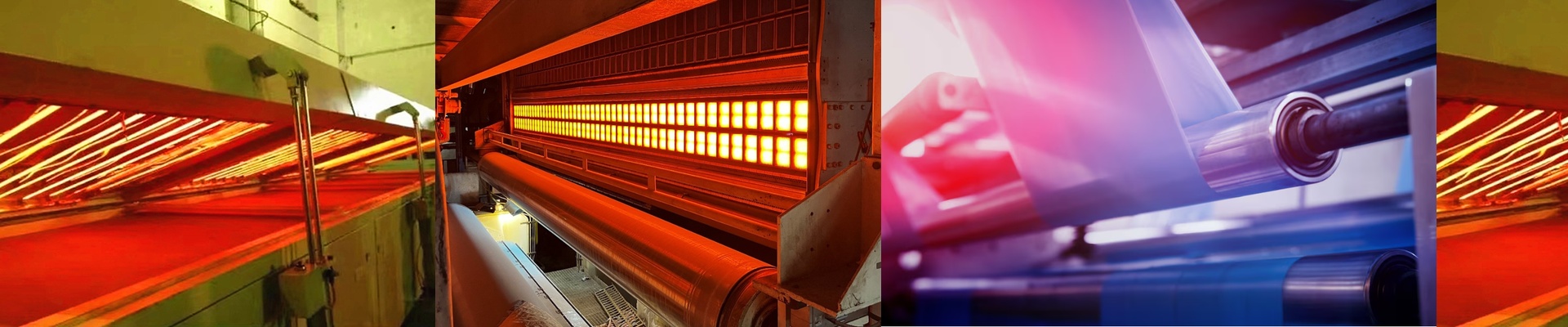
On a blow moulding machine, the lamp is used to condition the parison before it enters the mould. Medium-short wave infrared penetrates the parison surface quickly, giving you a short heating distance and predictable temperature profiles. This translates to faster cycle times and less scrap from uneven heating. The 2500W output gives you the punch required for thicker sections, but it also demands proper cooling. The lamp runs hot, and the surrounding machine area will get hotter. Plan your airflow and shielding accordingly. If you do, you get stable heating, consistent part quality, and a lamp that can take the heat cycle after cycle. We design this lamp as a drop-in replacement for standard blow moulding heater layouts. It is engineered for high-intensity performance in a small footprint, and it is built to be replaced quickly when service is required. That is how we keep your line running.