What Actually Powers These Halogen Heater Lamps
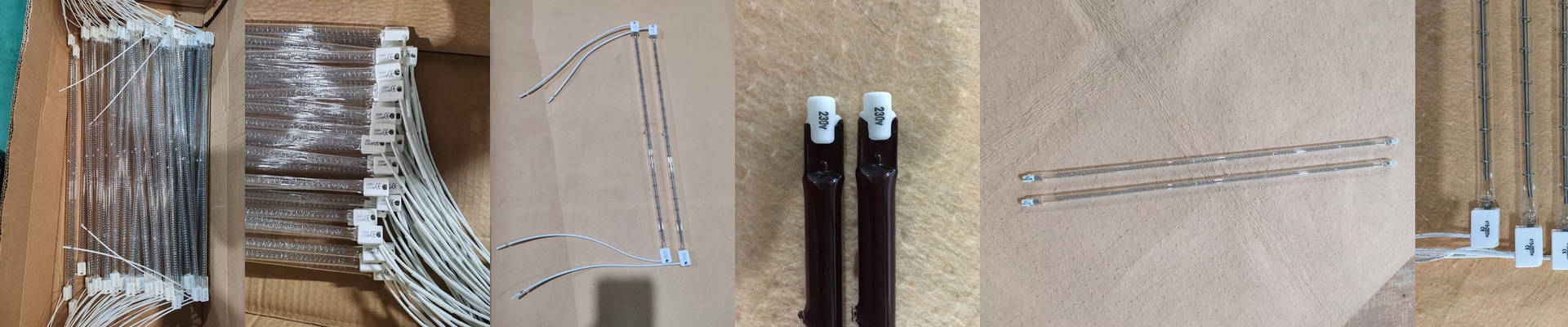
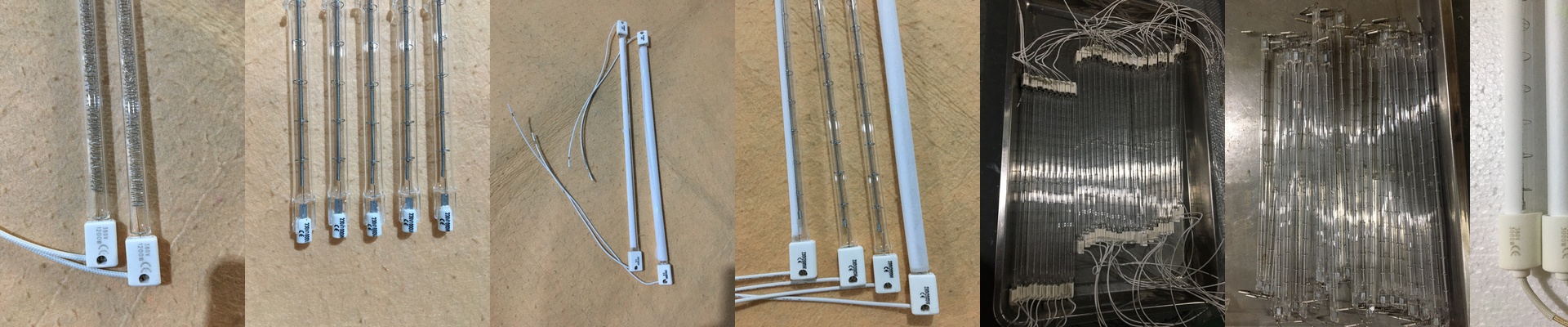
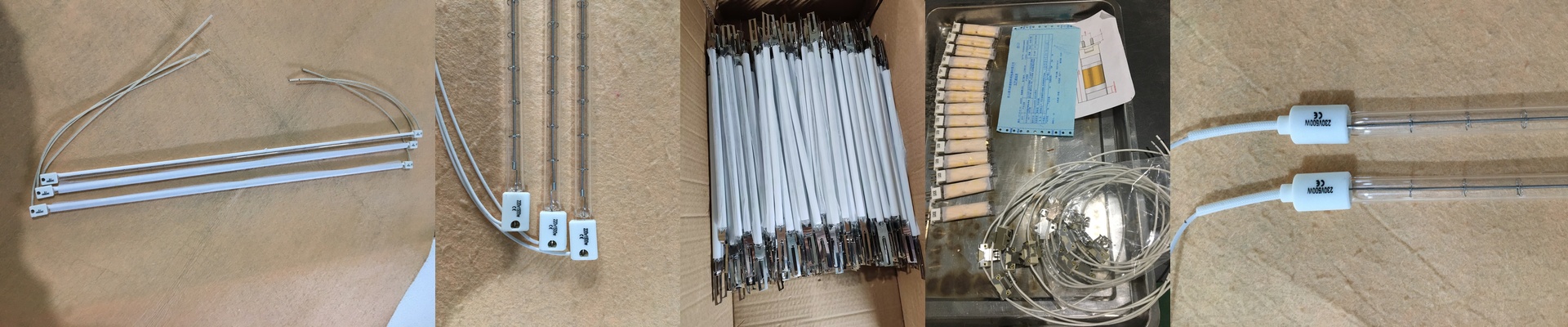
We build these halogen heater lamps for industrial machines that need heat—fast, concentrated, and right where you want it. The numbers matter because they’re chosen for real-world performance: 2500W at 400V. That combo gives you serious heat density without taking up a lot of space. The tube is 300mm long, so the heating zone stays tight. That means you can slip the lamp into tight machine cavities without having to rework the housing. And that high voltage? It drops the current, so you can use smaller wiring and smaller terminals, and you get less voltage drop along the line. Here’s the trade-off, though: you get intense output, but the control gear and thermal management have to be properly matched so the lamp—and everything around it—stays within safe temperature limits.
Why the Materials and Design Make Sense
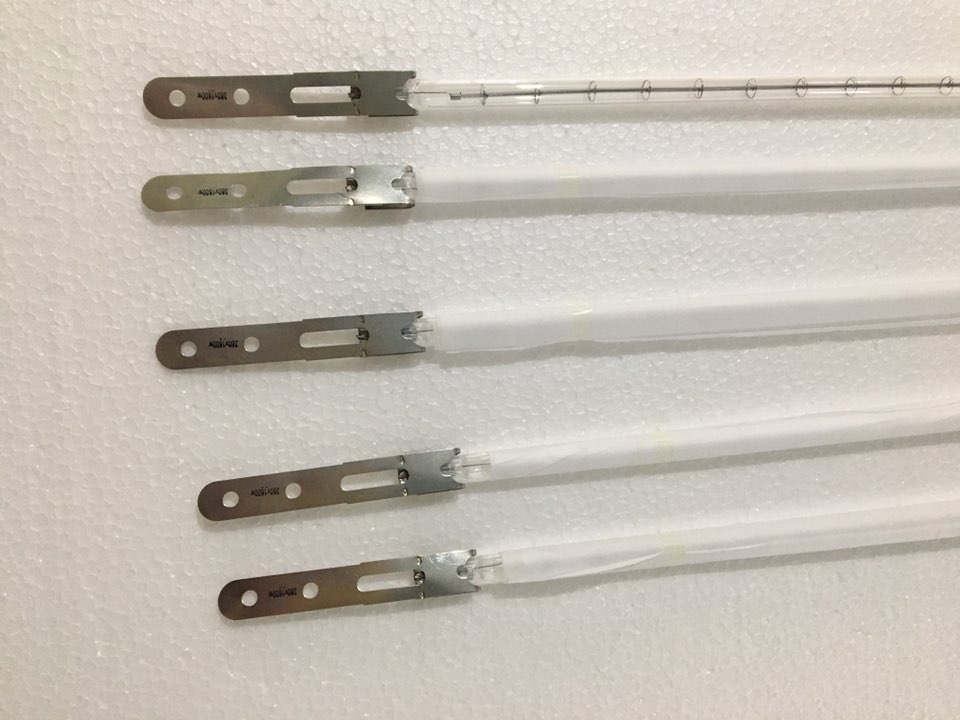
These lamps use a quartz envelope because it can handle the shock of rapid on/off cycling and lets infrared energy pass through efficiently. Inside, the halogen cycle keeps the filament stable by putting evaporated tungsten back where it belongs. The payoff is output that stays consistent longer than you’d get with a standard infrared tube. For mounting, we use R7s or Sk15 connectors. These double-ended setups lock the tube in place and carry the full electrical load—no extra brackets needed. And the internal coating is tuned to shape the infrared spectrum, pushing more energy toward the target material instead of just heating the surrounding air.
Where These Lamps Shine—and What to Keep in Mind
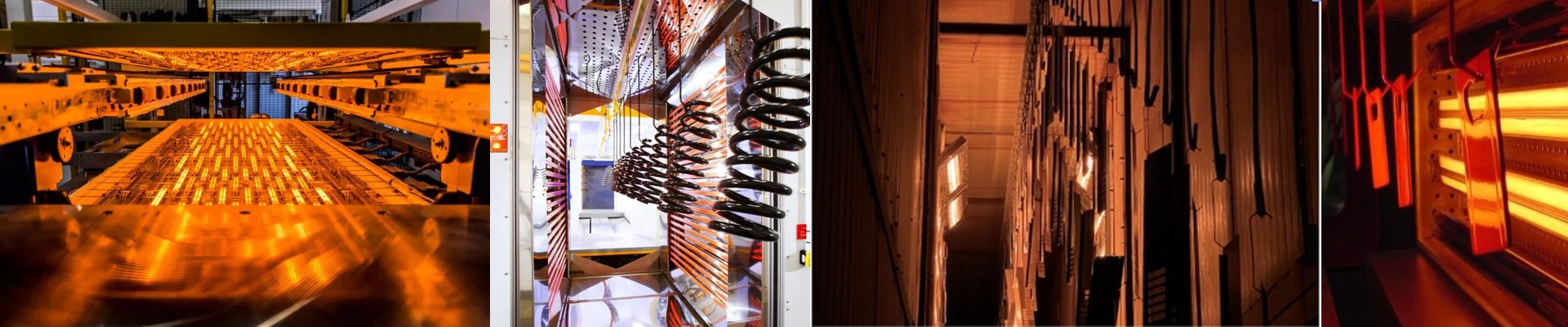
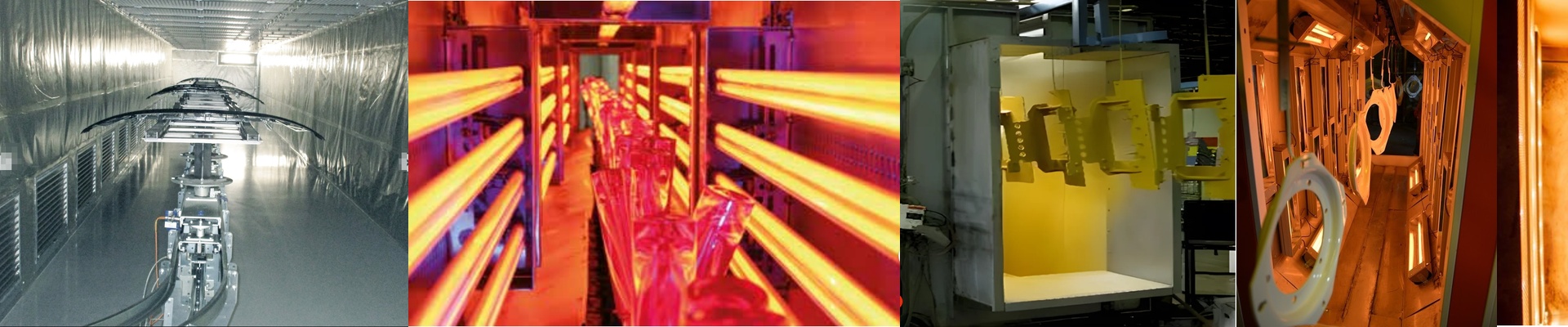
In industrial heating, timing is everything. You don’t want to wait around for a slow warm-up. Halogen heater lamps get up to operating temperature quickly, so you can cycle the heat with precision—ideal for processes like heating plastic, sealing, and curing. The compact tube plus standardized connectors makes installation feel like a drop-in job, so replacements take less time and cause less downtime. You get heat output you can count on, and control you can repeat. Just make sure the lamp wattage and voltage match your machine’s electrical design, and that you’ve got enough cooling airflow so nearby components don’t run too hot.