Introduction
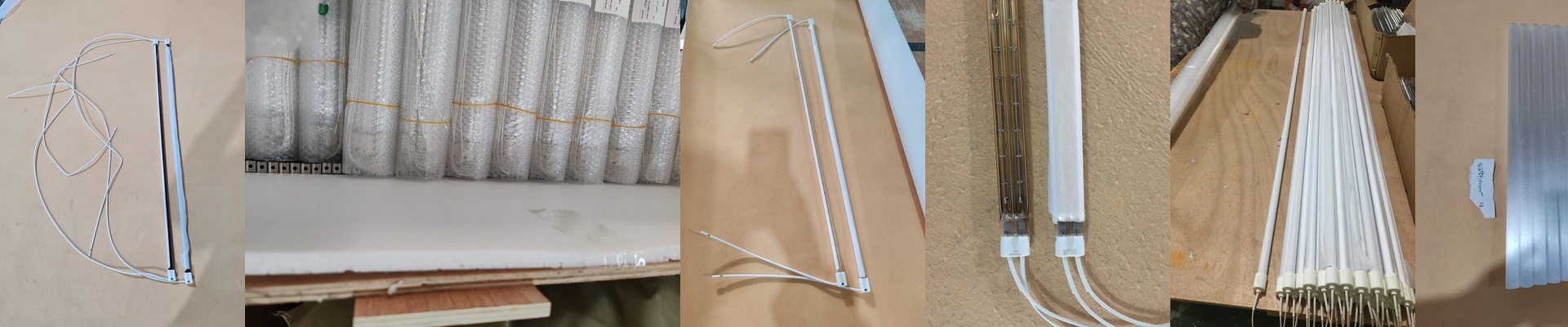
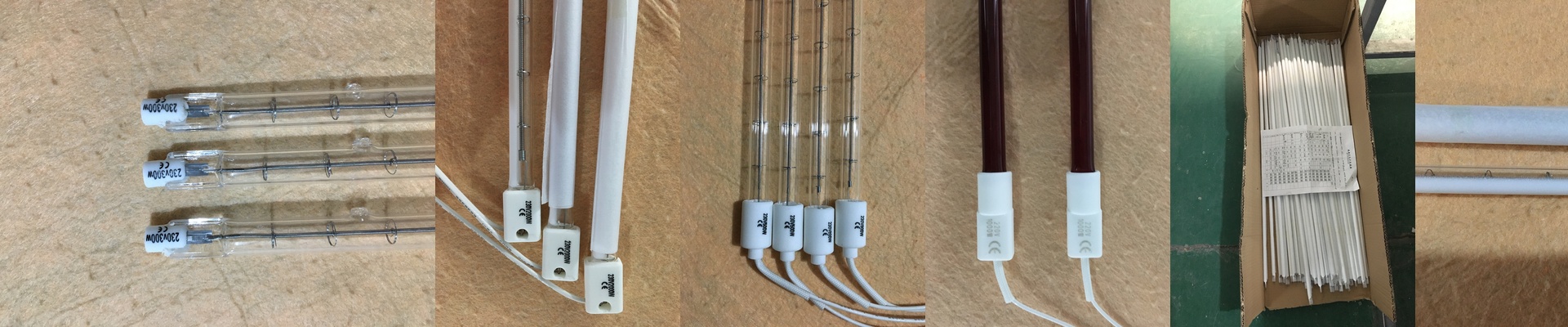
We make halogen heating lamps for engineers who need heat, and need it now. These aren’t your run-of-the-mill bulbs. They’re built as serious quartz-tube emitters, designed to throw focused infrared energy right where you need it—on industrial heating, drying, and forming jobs. The whole point is simple: pack a ton of heat into a tiny space, and keep it steady and predictable.
Power, Voltage, and Size: What Actually Matters
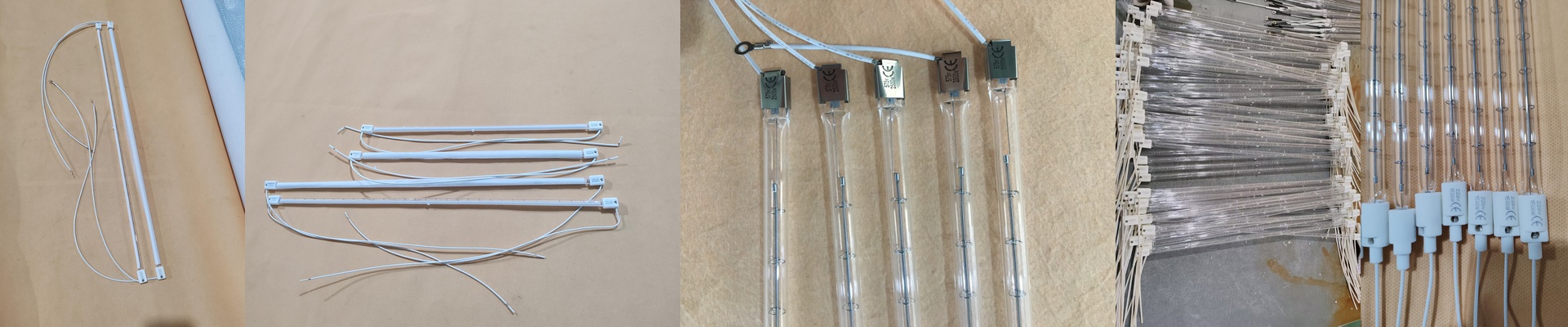
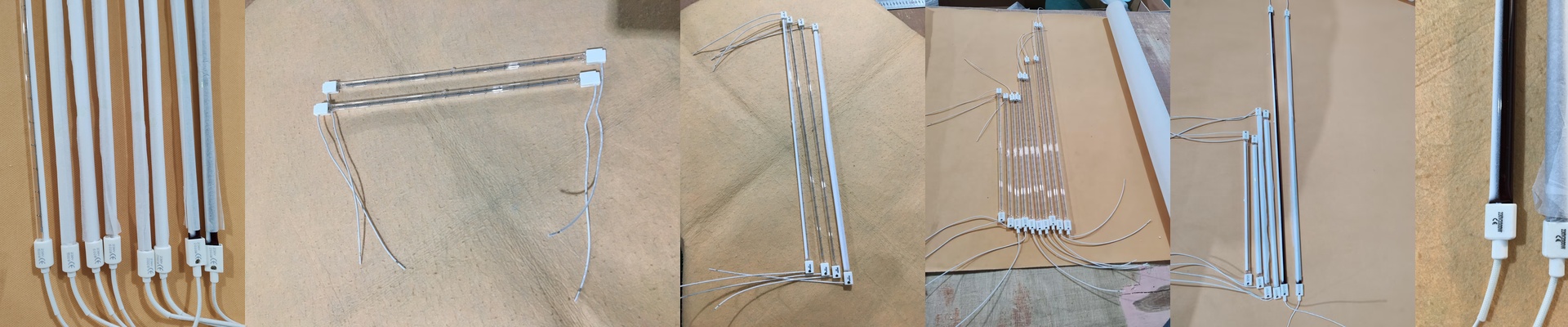
When you’re sizing up a halogen heating lamp, three things tell the whole story: wattage, voltage, and length. That’s what decides if it fits your machine and how it’ll behave on the line. A typical industrial workhorse might run at 2500W, on either 230V or 400V. Choosing the higher voltage drops the current, which keeps wiring and contacts from getting swamped in those cramped enclosures. And the tube length—often around 300mm—sets the heated zone and how it mounts. Squeezing that much power into a short tube is the whole idea. It creates intense heat density for fast, localized heating. But that also means your surrounding hardware has to be ready for the heat. These lamps run hot. So you need to plan for space, airflow, and shielding. It’s not optional.
Inside the Build: Quartz, Halogen, and the Right Connections
The quartz tube is there for a reason. It takes the heat and stays clear so infrared can get through. Inside, the halogen cycle keeps the filament stable by putting evaporated material back where it belongs. That’s why halogen lamps hold their output better than standard incandescent bulbs, especially when you’re pushing the filament hard. We use coatings to tune the output and cut glare. An IR-reflective coating bounces energy back onto the target, so less heat goes to waste. A gold coating shifts the wavelengths longer, giving you deeper penetration into certain materials. For installation, the lamps use dedicated connectors like R7s or Sk15. They’re not interchangeable by accident, and that’s intentional. They lock in solid, align the electrical contacts properly, and let you swap a lamp quickly without rewiring terminals.
Where They Shine: Real-World Heat, Solved
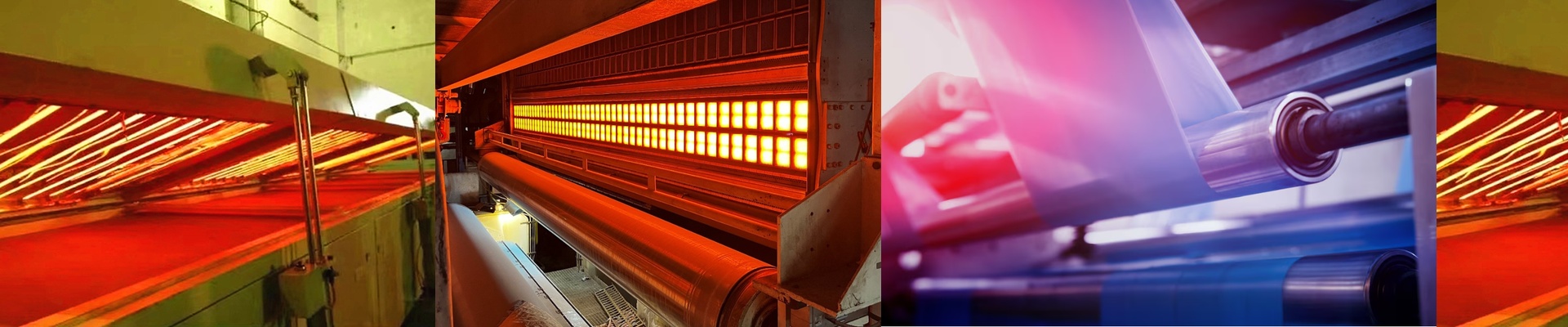
These lamps are the go-to when you need heat fast and focused—think plastic welding, PET blowing, coating drying, or curing adhesives. The payoff is speed. The filament heats up almost instantly, so the emitter hits operating temperature quickly. That gives you tight control over short cycle times. And because they’re compact, you can build dense arrays without reworking the whole machine. The trade-off is real: high power density means you need serious cooling and thoughtful thermal isolation to protect nearby parts. Match the lamp to the voltage you actually have, plan the mounting around the tube length, and design in airflow. When you get that right, the halogen heating lamp delivers steady, repeatable heat right where the process needs it—without wasting energy all over the plant floor.