Introduction
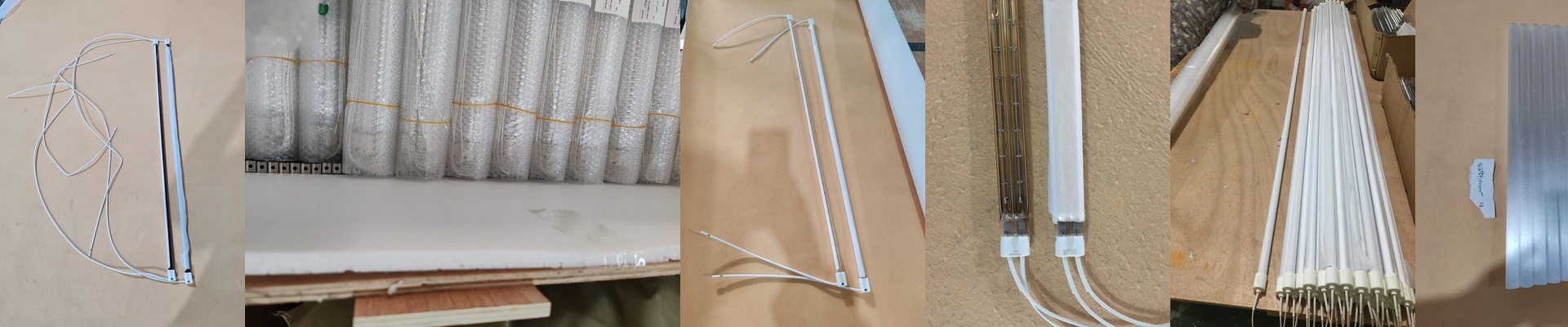
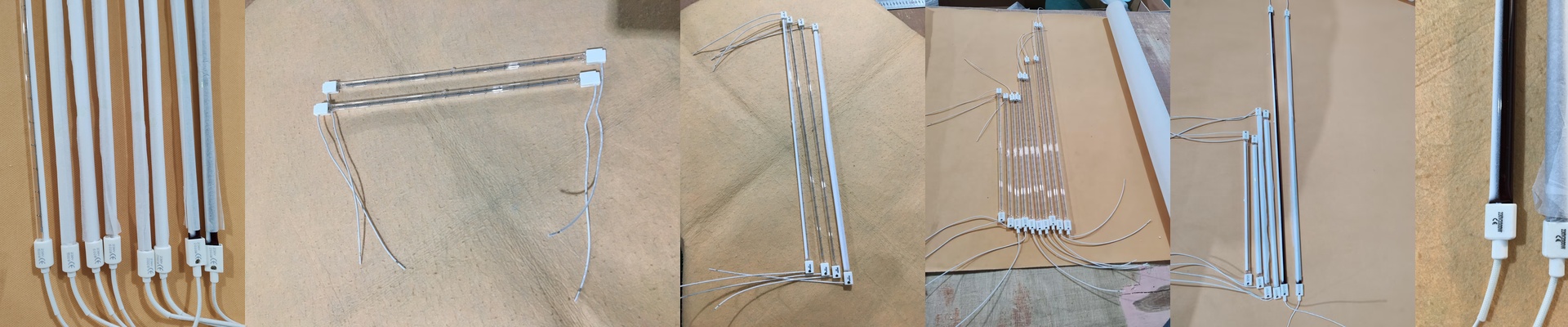
We built this ruby halogen infrared heating lamp for engineers who need serious heat—fast—without taking up a ton of space. This isn’t some general-purpose warmer. It’s a shortwave infrared emitter, built to jump to temperature quickly and deliver high power in a small package. You wire it in, it hits the target temp almost instantly, and then it holds steady, even when your process keeps cycling hard.
Power, Voltage, and Size: The Real Deal
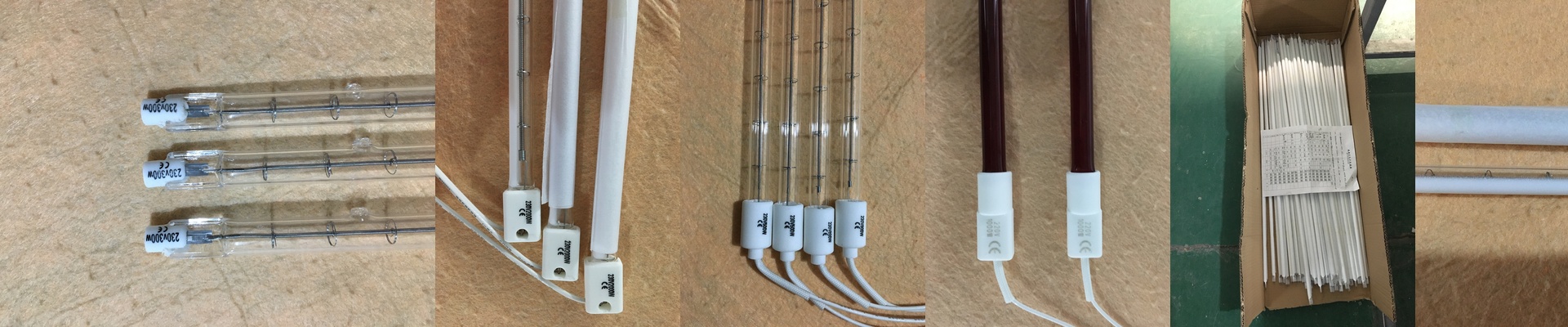
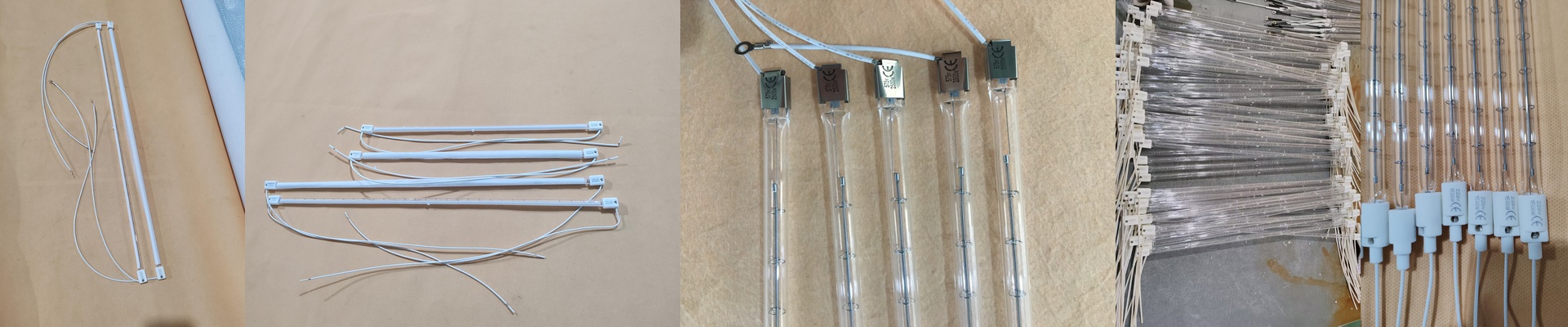
At the heart of it is shortwave infrared output, matched to tight electrical specs. We went with a 400V design so you can pack a lot of wattage—up to 2500W—into a short tube, like 300mm. That gives you intense heat density right where you need it. The physics are simple: higher voltage for the same wattage means lower current. That keeps conductor and terminal losses in check, while still dumping serious energy onto the target. But here’s the catch. That kind of power density means your machine has to be ready to pull heat away from the lamp housing and reflector. If you don’t plan for proper cooling, things run hotter—and the lamp’s life takes a hit.
Materials and Design: Built to Perform
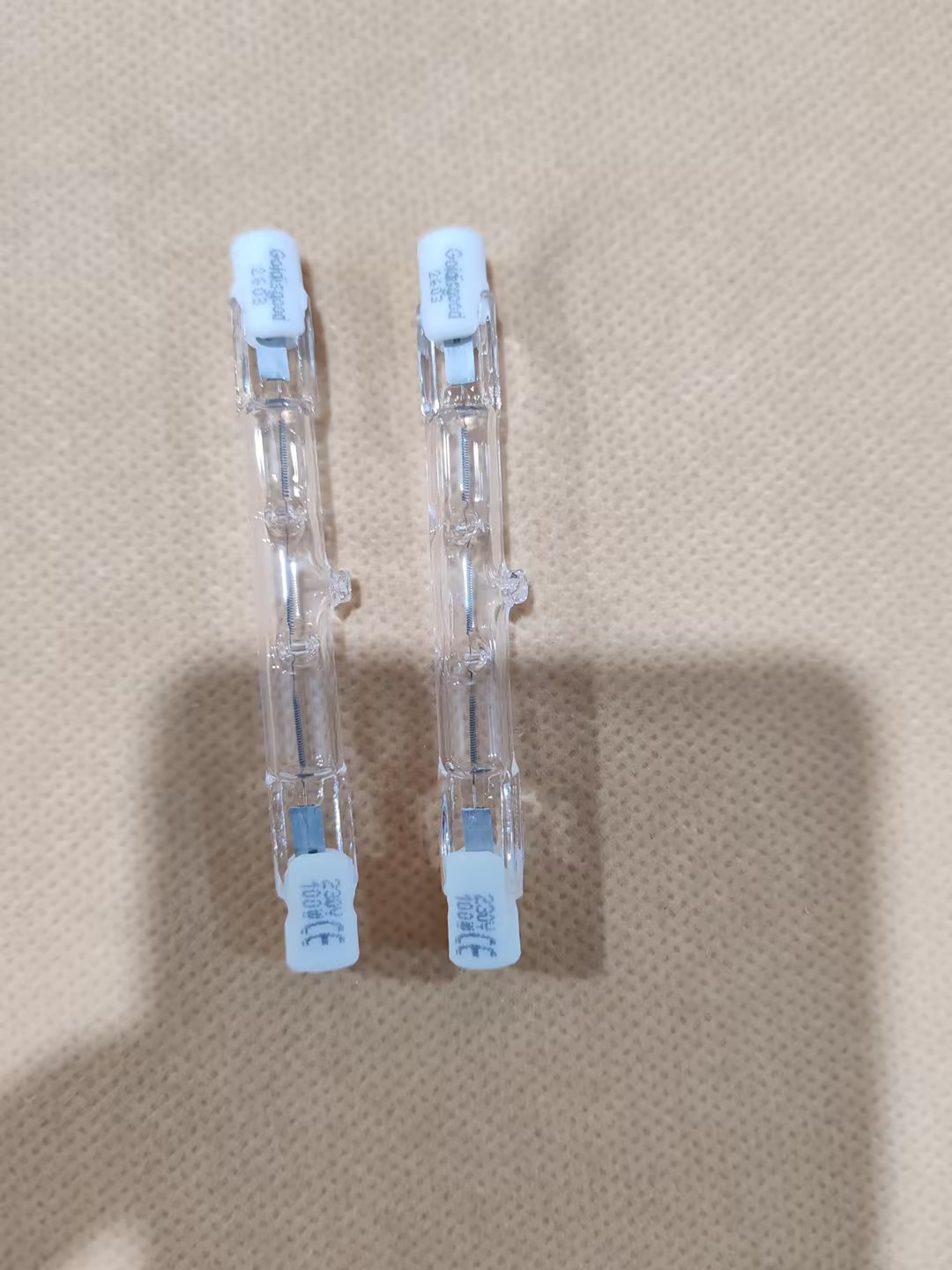
The tube is quartz, and that’s for a reason. It handles sudden temperature changes without cracking, and it transmits near-infrared really well. Inside, the halogen cycle keeps the filament stable, so output stays consistent over time—no sudden drop-off like you get with standard incandescent emitters. And that ruby coating? Not just for looks. It shapes the spectrum, pushing more energy into shorter wavelengths so industrial materials absorb the heat faster. For mounting and electrical contact, we use R7s connectors. This end-cap setup gives you a solid, direct termination that handles high current without extra parts. It also makes the lamp a clean, drop-in swap for standard fixtures.
Where It Shines—and What It Feels Like to Use
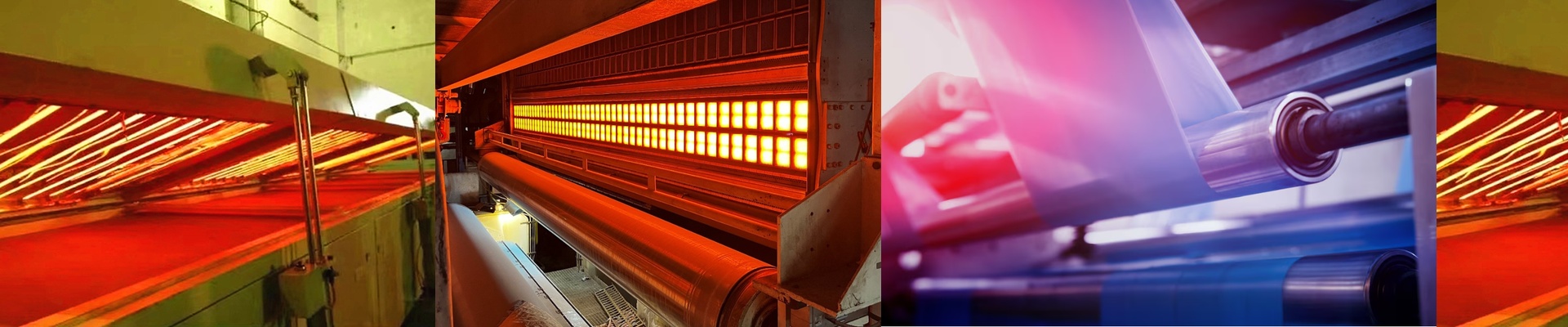
This setup is made for applications where you need fast, localized heating with almost no warm-up wait—PET blowing, thermoforming, adhesive curing, plastic welding. Because the shortwave energy gets absorbed quickly, you can run faster and keep your process window tight. We built it for rough environments. The quartz envelope can take a beating, and the halogen chemistry keeps performance steady over long runs. For you, that means fewer lamp changes, less downtime, and heat input that stays predictable, cycle after cycle. Just match the voltage, make sure your cooling is up to the task, and you’re set to run.