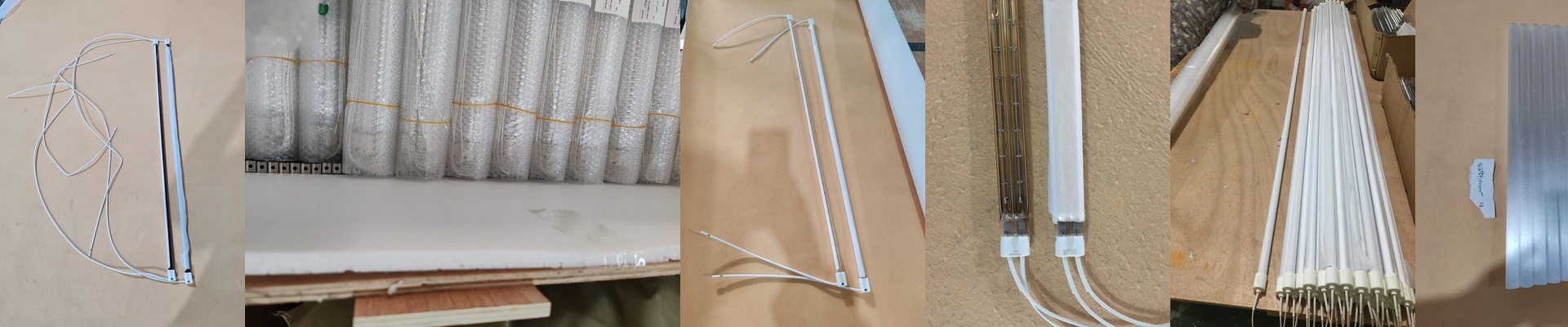
Why This Quartz Halogen Lamp Exists
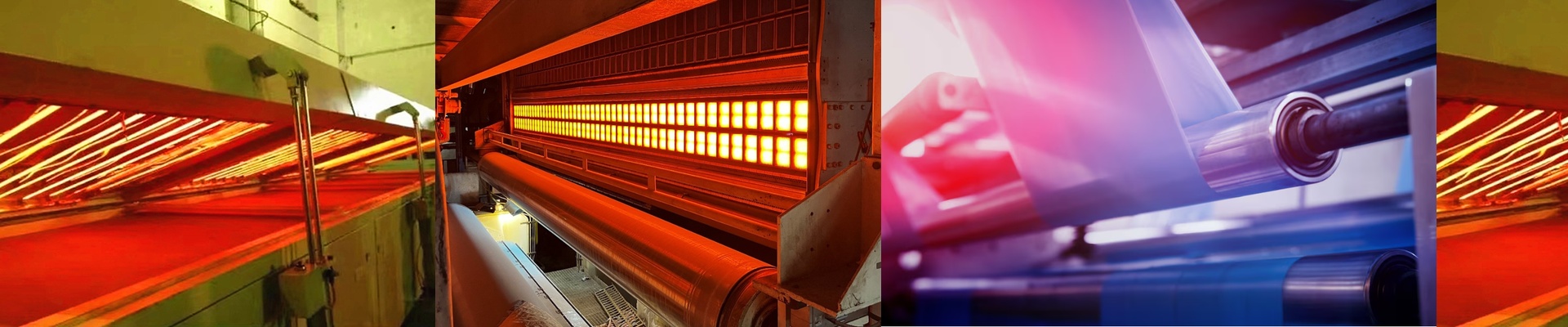
Here’s the simple truth: we built this lamp for one reason—to give you fast, controllable infrared heat in a tiny space. These aren’t your run-of-the-mill bulbs. They’re shortwave emitters, engineered to pack a serious heat punch straight into the oven chamber. Because when you need things hot, fast, and under control, that’s what matters.
Power, Voltage, and Size: The Real-World Details
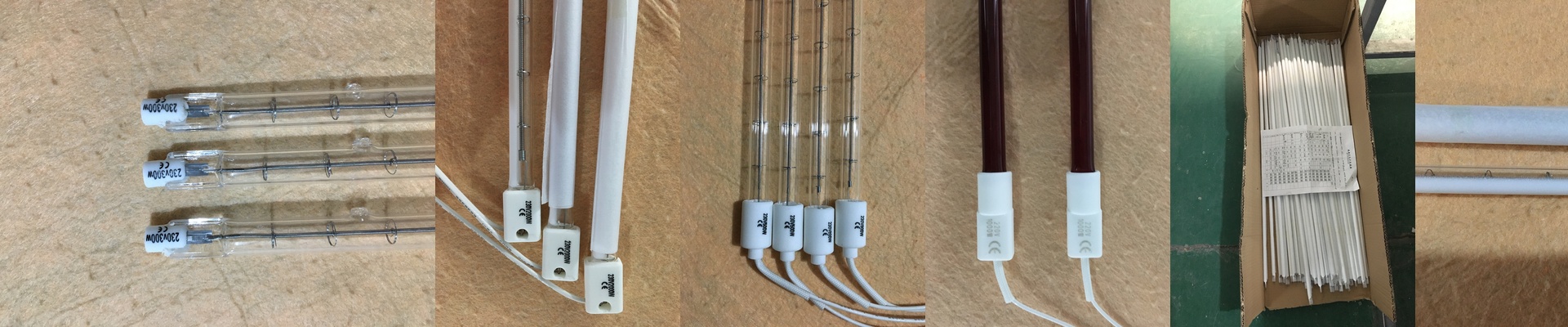
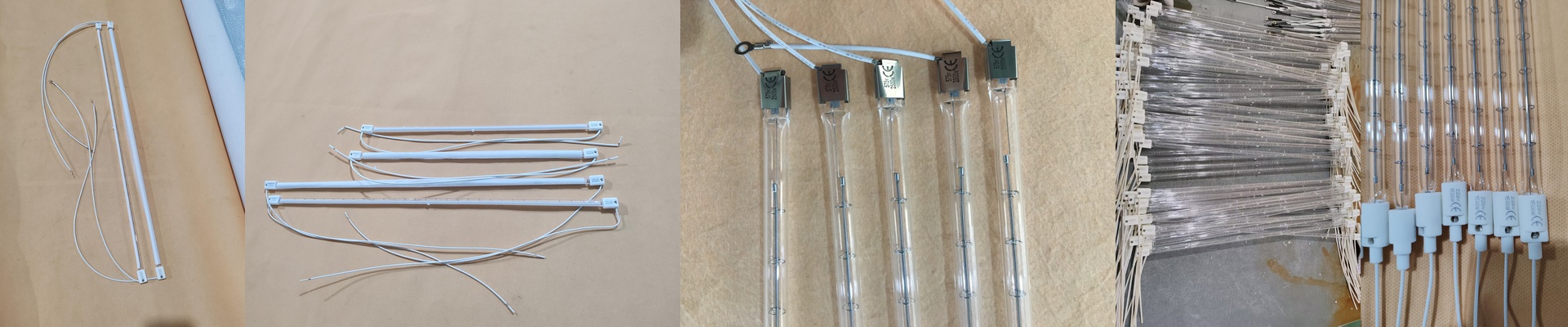
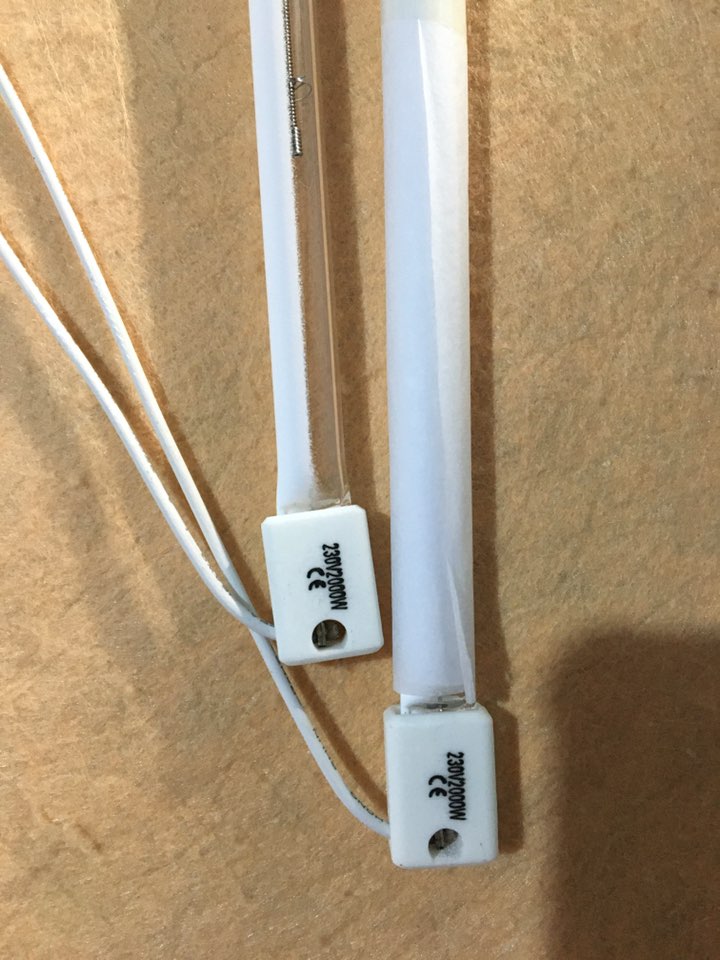
The electrical specs aren’t just numbers on paper—they’re what make the heat work the way you need it to. Go high-voltage—think 400V—and you get the same power with less current. That means smaller wires, less wasted heat in the wiring, and a cooler terminal block. Crucial, right? Especially when the lamp is sitting just inches from the food. Wattage is all about the filament design. A 2500W rating is common in industrial toaster ovens because it delivers the heat flux to hit your setpoint quickly. Not slow. Not fussy. Just fast. And the tube length? Around 300mm. It’s chosen to match the oven width, so the infrared heat covers exactly the space you need—no energy wasted outside the cavity.
The Materials and Design That Make It Work
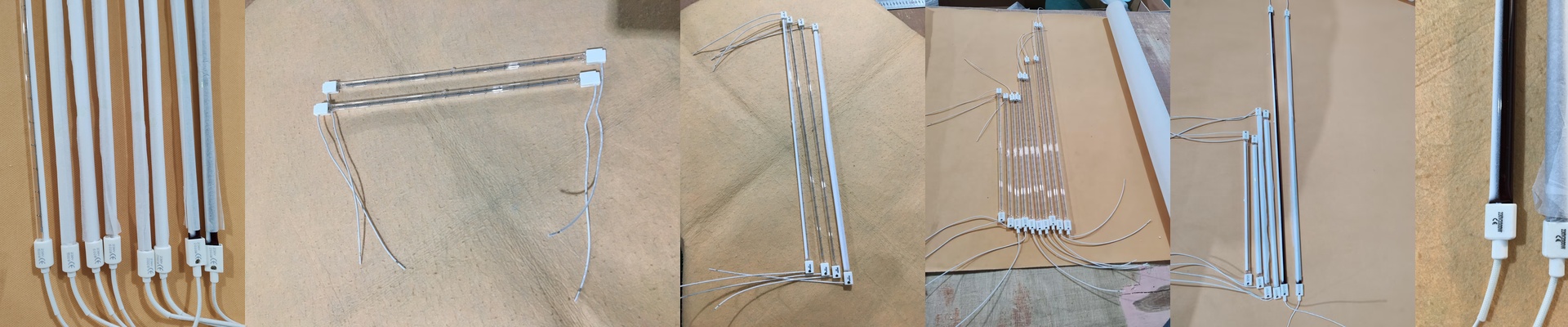
Quartz isn’t a fancy choice—it’s a must. It handles the extreme filament temperatures and doesn’t crack under thermal shock. Halogen gas fills the tube to keep the filament running hot without burning out fast. The result? Stable output that stays consistent over time. And the R7s base? It’s practical, not picky. The bi-pin, centered contact makes wiring straightforward and alignment repeatable. The ceramic base handles the heat at the joint, and the pins keep the spacing consistent so the lamp seats perfectly in the reflector socket every single time.
What This Setup Actually Gets You
In a toaster oven, this lamp means you get rapid ramp-up and instant response when you adjust the controls. The shortwave output hits the surface of what you’re cooking fast, so your cycle times stay quick. The tube is compact enough to fit tight reflector setups, and the R7s connector makes replacement a simple drop-in job. Now, the trade-off: high heat density means the oven has to handle the heat. The lamp runs hot, so the socket and wiring need enough clearance and cooling. Match the lamp to the chamber size, match the voltage to the control circuit, and the whole system just performs—steady and reliable.