Moving from OEM to Domestic IR Heating: How to Actually Do It
When you’re running a high-volume coating plant, switching from those expensive OEM lamps to a domestic supplier isn’t really about saving a few bucks. It’s about sleep. You need to know—without a shadow of a doubt—that your heat profile isn’t going to budge. That’s where curing time recorders come in. We don’t just guess; we map the actual thermal journey of the part.
Why the recorder is your best friend
A curing time recorder does more than just tell you the temperature. It shows you the curve. Think about powder coating or liquid paint. The resin has to hit a specific “soak” temperature and stay there long enough to cross-link. If it doesn’t, you’re in trouble. We slap thermocouples right onto the workpiece and send it through the oven. If the domestic lamp has a different wavelength or heat density than the original, the recorder catches it immediately. You’ll see a lag where there shouldn’t be one, or a spike that pushes you past the window.
Getting the heat and wavelength right
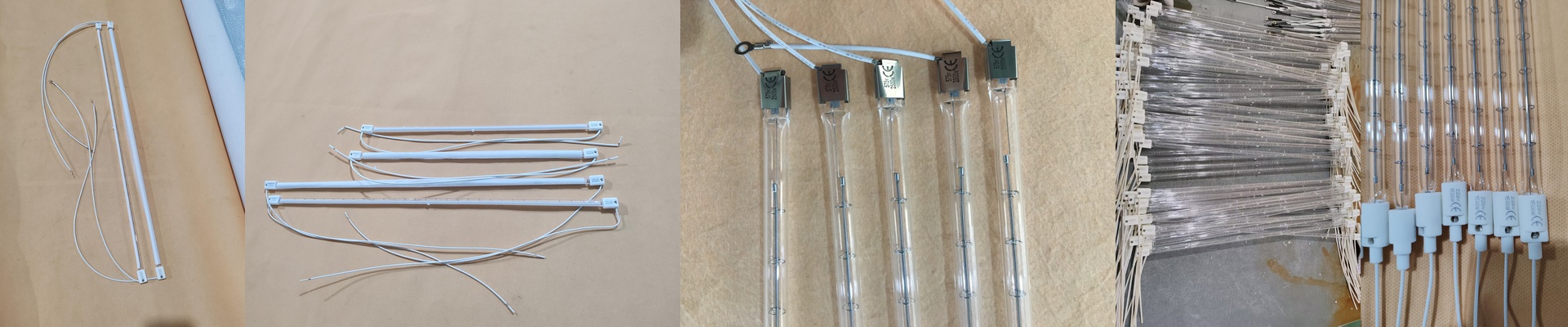
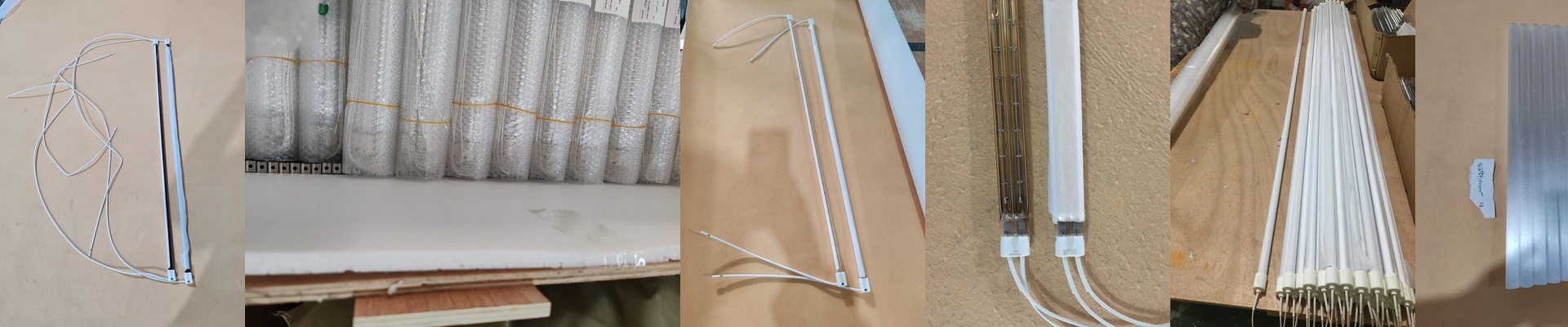
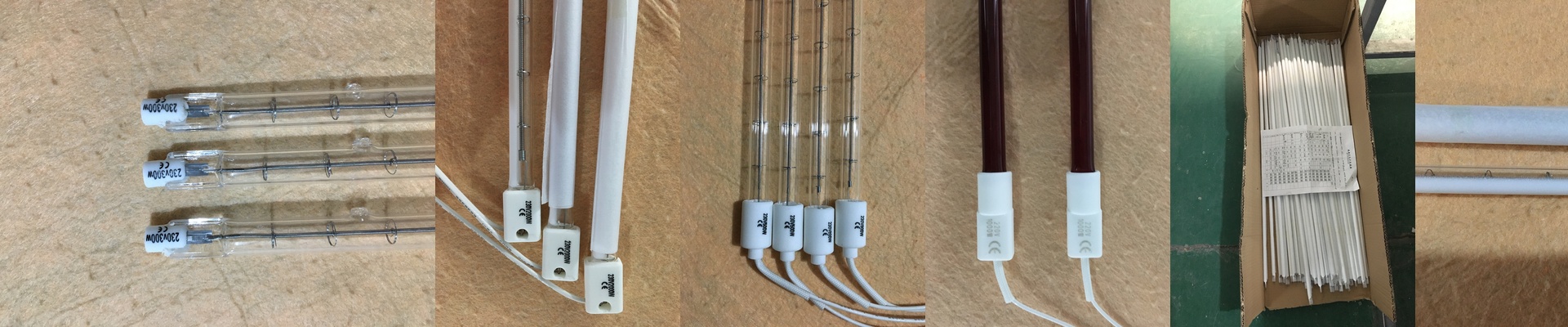
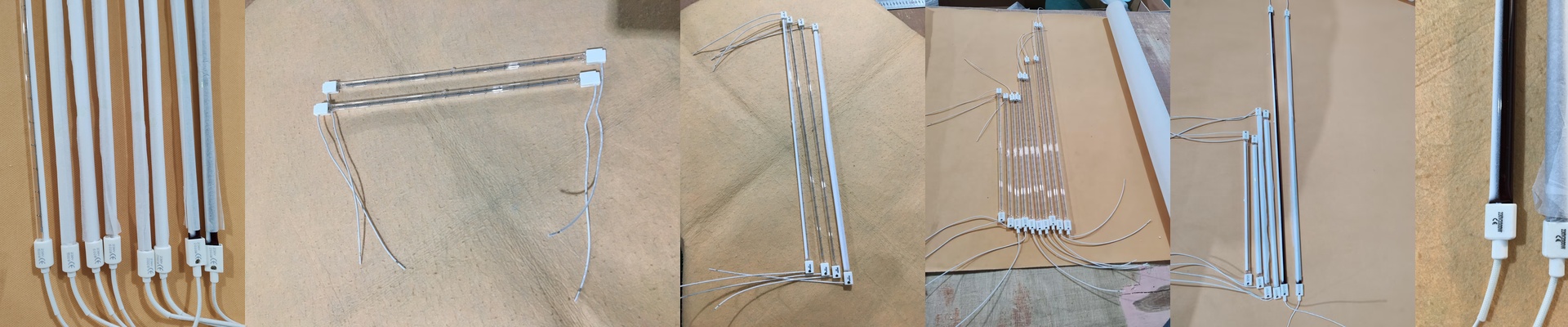
This is the tricky part. We spend a lot of time on the spectral output. If you’re swapping a short-wave quartz lamp, you have to match the wattage per centimeter. If you get this wrong, you’ll end up with “orange peel” or patches that just didn’t cure. We spec these out carefully so the domestic tubes hit the surface with the exact same intensity as the fancy brand-name ones.
Dealing with the “What if?”
I get why engineers are nervous. If this fails, you aren’t just losing one part—you’re scrapping an entire batch of chassis. That’s a nightmare. To fix that, we run parallel tests. We put the OEM lamp on one line and the domestic one on another. Then we just compare the logs. Here’s the thing: domestic lamps sometimes have slightly different tolerances on their reflectors. You might notice a 5% variance in how the heat spreads across the conveyor. It’s not a dealbreaker, but you’ll need to tweak your conveyor speed or zone temps to smooth it out. Once those recorder logs look the same, you’re good to go. It’s a simple swap.